How to Prepare Your Home For Wildfires: Colorado Disaster Awareness Guide
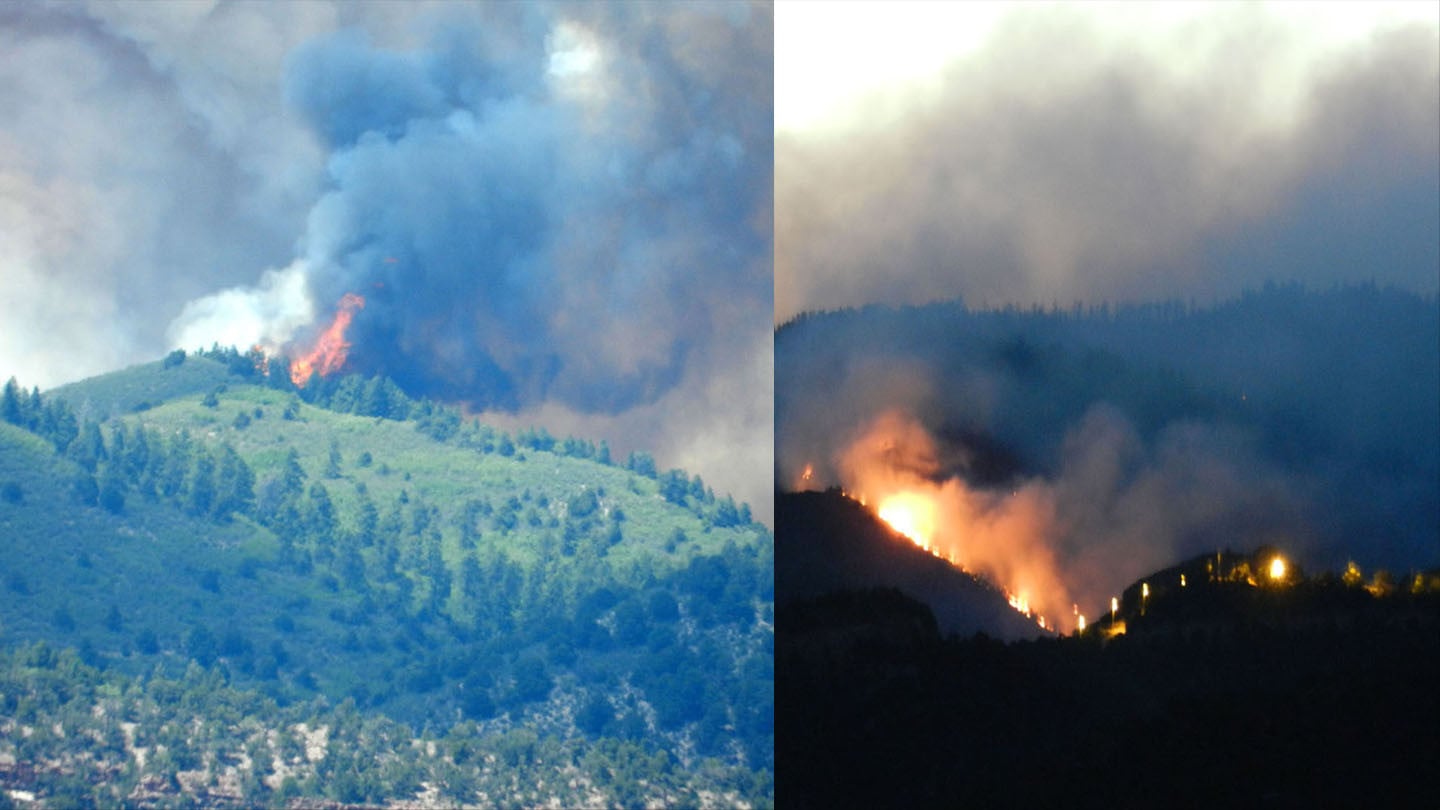
- 2.5 million Coloradans live in wildland-urban interface (WUI) areas where homes and wildland vegetation overlap - making wildfire preparedness a life-safety issue, not just a property concern.
- Most homes don't burn from direct flame contact - airborne embers are the primary ignition threat, and they can travel more than a mile ahead of an active fire.
- The single most important thing a homeowner can do is harden the immediate zone (0-5 feet) around their foundation - details on exactly how to do that are covered below.
- A solid evacuation plan and a packed grab-and-go kit can mean the difference between a safe exit and a dangerous one - Colorado's wildfire season now runs year-round.
- Knowledge, not fear, is the foundation of real wildfire preparedness - and there are practical, affordable steps every Colorado homeowner can take starting today.
Colorado's wildfire threat is no longer a seasonal concern limited to remote forests. In recent years, devastating fires have swept through suburban neighborhoods, burned in December, and leveled communities that never imagined they were at risk. Whether someone lives in the foothills of the Front Range or in a mountain town surrounded by pines, the time to prepare is before smoke appears on the horizon.
2.5 Million Coloradans Live Where Wildfire Can Strike Any Day
Approximately 2.5 million Coloradans live in the wildland-urban interface - the zones where residential development meets or intermingles with wildland vegetation. In these areas, a single ignition point during dry, windy conditions can rapidly become a community-wide emergency. Colorado's fire season has quietly expanded: the average core fire season is now 78 days longer than it was in the 1970s, with significant fires recorded in nearly every month of the year.
The financial stakes are just as serious. Colorado ranks as the sixth-costliest state for homeowners' insurance, with premiums rising 58% between 2018 and 2023 - driven largely by escalating wildfire risk in WUI communities. The Marshall Fire in Boulder County in December 2021 underscored how severe that risk can be: it destroyed over 1,100 homes and generated more than $2 billion in insured damages, making it the most destructive wildfire in Colorado history - and it happened in a suburban area, not a remote forest.
As author Julia Wright explains in Lessons From Colorado Fires & Flood, the implications of these trends can be alarming, but it is important not to get overwhelmed. She describes preparedness as an empowering process; homeowners who understand fires and how they happen are more likely to mitigate the damage caused when one actually arrives.
How Homes Actually Catch Fire
Understanding how homes ignite during wildfires changes everything about how to protect them. The instinct is to picture walls engulfed in rolling flames - but that's rarely how it starts.
Embers May Travel Over a Mile
According to the National Fire Protection Association (NFPA), embers and small flames are the primary cause of home ignitions during wildfires. These burning pieces of airborne wood and vegetation can be lofted by wind and carried more than a mile ahead of the fire's active front. They land on roofs, collect in gutters, slip through vents, and pile against fences - and then they quietly ignite.
A home can catch fire well before any visible flame reaches the property line. That's why mitigation efforts focused solely on vegetation far from the house can miss the most critical vulnerabilities.
The Home Ignition Zone Explained
The Home Ignition Zone (HIZ) is the framework that changed how fire scientists - and now informed homeowners - think about wildfire defense. Developed by retired USDA Forest Service fire scientist Jack Cohen in the late 1990s, the HIZ establishes that a home's survivability is determined by the structure's ignitability and the conditions in the surrounding landscape out to 200 feet.
The HIZ is divided into three zones: the immediate zone (0-5 ft), the intermediate zone (5-30 ft), and the extended zone (30-200 ft). Each zone carries specific actions - and the zones closest to the structure matter most.
Your Most Critical Defense: The Immediate Zone (0-5 Ft)
Wildfire preparedness starts here - not at the tree line, but at the foundation. The immediate zone is the most ember-vulnerable area on any property, and it requires consistent, year-round attention.
Roofs, Gutters, and Vents
Embers that land on a roof or collect in a clogged gutter can smolder undetected until they ignite. The NFPA recommends these specific measures for the home structure itself:
- Clean roofs and gutters of dead leaves, pine needles, and debris regularly - especially before fire season.
- Replace or repair any loose, cracked, or missing shingles or roof tiles that could allow ember penetration.
- Install a Class A fire-rated roof during any replacement - one of the highest-impact upgrades available.
- Screen all attic vents and eave vents with 1/8-inch metal mesh to block ember entry.
- Replace standard windows with tempered glass, which is significantly more resistant to heat-induced breakage.
Clear Everything Combustible From the Foundation
Within five feet of the home, the goal is straightforward: eliminate anything that can burn. This zone should function as a non-combustible buffer.
- Remove all flammable mulch, plants, leaf litter, and pine needles from against the foundation and along exterior walls.
- Clear the space beneath decks and porches - accumulated debris underneath a deck is one of the most common ignition points.
- Move firewood piles well outside this zone; store them against a non-attached structure if possible.
- Screen the undersides of decks and patios with wire mesh to prevent debris from collecting in enclosed spaces.
Colorado offers an income tax credit for qualifying homeowners who incur out-of-pocket expenses on wildfire mitigation measures - making these upgrades more accessible than many realize.
Build Defensible Space in the Intermediate and Extended Zones
Once the immediate zone is hardened, attention moves outward. Defensible space doesn't eliminate fire - it reduces fire intensity and slows its approach, giving the structure a better chance of surviving and giving firefighters room to work safely.
Fuel Breaks, Lawn Height, and Ladder Fuels (5-30 Ft)
The intermediate zone is where landscaping decisions have the most direct influence on fire behavior near the home. NFPA guidelines for this zone include:
- Use driveways, walkways, patios, and decks as natural fuel breaks that interrupt fire's path.
- Keep lawns and native grasses mowed to four inches or less - dry, tall grass ignites easily and carries fire quickly.
- Eliminate ladder fuels - the low-hanging branches and shrubs that allow a ground fire to climb into the tree canopy. Prune trees up to 6-10 feet from the ground (not exceeding one-third of total tree height for shorter trees).
- Maintain a minimum of 18 feet between tree crown edges, increasing that spacing on sloped terrain.
- Ensure mature tree canopies are at least 10 feet from any structure.
Thinning Vegetation Out to 200 Ft
The extended zone (30-200 ft) focuses on interrupting fire's path and keeping flames lower and slower. Large accumulations of ground debris, dead plant material, and densely packed conifers all act as fuel. The objective here is continuity reduction - breaking up connected fuel sources so fire has nowhere to run.
- Remove dead plant and tree material and dispose of heavy accumulations of ground litter.
- Clear small conifers growing between mature trees, which can carry fire upward into the canopy.
- For trees 30-60 feet from the home, maintain at least 12 feet between canopy tops; for trees 60-100 feet out, maintain at least 6 feet.
- Consult a local forestry professional - slope, species, and site-specific conditions all affect what's needed.
Programs like the Poudre Fire Authority's Home Ignition Zone Assessments (HIZAs) and their Gold Letter Program help Colorado homeowners evaluate risk, put mitigation measures in place, and obtain documented proof of compliance that can be shared with insurance providers.
Your Personal Safety Plan: Evacuation and Emergency Kits
A hardened home buys time - but personal safety depends on having a plan that's ready to execute before a fire starts.
Evacuation Routes and Emergency Alerts
Register with local authorities for emergency notifications - in Colorado, county-level alert systems like Weld RE-Alert, Larimer Emergency Telephone Authority (LETA), and similar programs send evacuation orders directly to registered phones. Know at least two evacuation routes from the property; some roads become inaccessible quickly when fire spreads under high-wind conditions. Discuss the plan with every member of the household, including what to do if family members are separated.
What Goes in Your Grab-and-Go Kit
A grab-and-go kit should be packed, updated seasonally, and stored somewhere easily accessible - not buried in a closet. Core items include:
- Documents: copies of IDs, insurance policies, financial records, and medication lists in a waterproof container
- Medications: a minimum 7-day supply of any prescriptions
- Water and food: enough for at least 72 hours per person
- Communication: phone chargers, battery-powered or hand-crank radio
- Cash: ATMs may be unavailable during a widespread emergency
- Clothing and comfort items: especially for children or elderly household members
Pre-load the car with the kit if a Watch or Warning is issued - don't wait for an evacuation order to start gathering items.
Knowledge - Not Fear - Is the Most Fireproof Thing You Own
The most paralyzing response to wildfire risk is the feeling that the threat is too big to address. Every gutter cleaned, every ladder fuel pruned, every vent screened is a measurable reduction in risk. The science behind the Home Ignition Zone confirms that most homes surviving wildfires do so because of specific, achievable conditions - not luck.
Colorado's history with fire - from the Hayman Fire to the Marshall Fire - makes one thing clear: communities that prepare fare better than those that don't. That preparation starts at the foundation, works outward through the landscape, and ends with a family that knows exactly what to do and where to go when conditions deteriorate fast.
The best wildfire plan is one built before fire season, not during it. Start with the immediate zone. Work outward. Build the kit. Know the routes. The steps are manageable - and they matter enormously.
HieroGraphics Books LLC
City: Manitou Springs
Address: HieroGraphics Books LLC
Website: https://www.hierographicsbooks.com


Comments
Post a Comment