How to Prepare Your AC For Hurricane Season: A Guide for Texas Homeowners
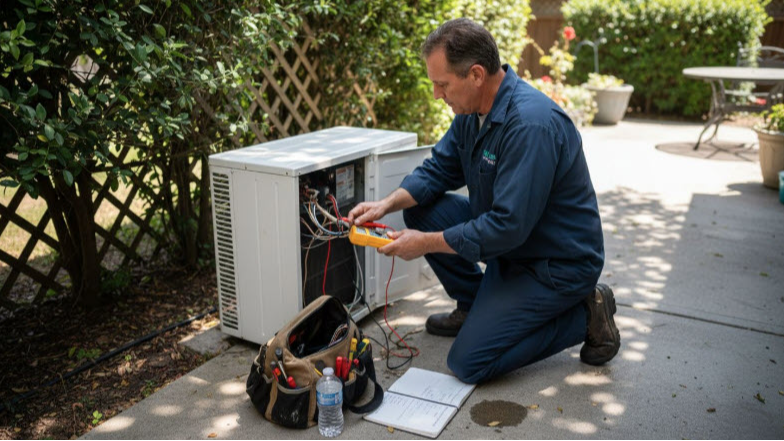
Hurricane season along the Gulf Coast brings more than heavy rain and high winds. For homeowners in Texas, it also brings a real risk of losing air conditioning for days at a time, sometimes longer. Preparing your AC system before a storm arrives can mean the difference between a quick recovery and a costly repair bill.
Understanding the Risks
Hurricanes affect HVAC systems in several distinct ways. Flooding and storm surge can submerge outdoor condenser units, which sit at ground level and are particularly vulnerable to water intrusion. Once floodwater reaches electrical components, the risk of short circuits and permanent compressor damage increases significantly.
High winds present a separate hazard. Debris carried by hurricane-force winds, including branches, patio furniture, and loose building materials, can strike outdoor units directly, denting housing, bending fan blades, or damaging coils.
Power interruptions add a third layer of risk. When electricity is knocked out and then restored, often unevenly across a neighborhood, the sudden return of power can create surges strong enough to damage sensitive electrical components, including circuit boards and compressors.
Steps to Take Before the Storm
Turn off power at the breaker, not just the thermostat. Switching off the thermostat alone does not fully disconnect your system from the electrical grid. Shutting off power at the breaker offers stronger protection against surge damage when electricity is restored.
Secure or elevate the outdoor unit if possible. Homes in low-lying or flood-prone areas benefit from having condenser units raised on platforms, which can provide critical clearance during storm surge events. Newer installations increasingly account for this, but older systems often do not.
Clear the area around the unit. Removing loose furniture, potted plants, and yard debris near the outdoor unit reduces the chance of wind-driven objects causing impact damage.
Consider protective covering carefully. A breathable cover or plywood secured with sandbags can help block flying debris. Plastic tarps are generally discouraged, since they trap moisture against the unit and can accelerate corrosion over time.
Schedule a system inspection ahead of storm season. A professional evaluation covering refrigerant levels, electrical connections, and coil condition can help identify components that are already vulnerable before a storm puts additional strain on the system.
After the Storm Passes
Once conditions are safe, resist the urge to immediately restore power to an AC system that may have been exposed to flooding. If the outdoor unit was submerged, saltwater or floodwater contamination is a serious concern. Restoring power to a flooded unit without inspection can permanently damage the compressor.
Instead, visually inspect the unit for standing water and debris in the condenser fins. If there are any signs of flooding, water damage, or exposure to storm surge, it is safer to have the system inspected and bench-tested before restoring power.
Experts from Colley Refrigeration Pearland, Texas, advise that homeowners should also watch for delayed signs of trouble in the days following a storm, including unusual noises, reduced cooling performance, or a burning smell near the unit, all of which can indicate underlying damage that was not immediately obvious.
Planning for Backup Cooling
For households with elderly residents or anyone with medical needs sensitive to heat, having a backup cooling plan is worth considering ahead of storm season. A portable generator in the 3,500 to 7,000-watt range can typically power a single window air conditioning unit, providing minimal but meaningful relief during extended outages. Standby generators offer a more comprehensive solution, capable of running a full central air system, though they represent a larger upfront investment.
Why Early Preparation Matters Most
The period immediately following a major hurricane tends to bring a sharp increase in demand for HVAC inspection and repair services across affected areas. Homeowners who complete preventive steps before a storm arrives, rather than waiting until damage has already occurred, are generally better positioned to avoid extended periods without cooling and to reduce the overall cost of storm-related repairs.
Colley Refrigeration
City: Clute
Address: 621 Brazosport Blvd N
Website: https://colleyrefrigeration.com/
Phone: +1 979 491 9570
Email: info@colleyrefrigeration.com


Comments
Post a Comment