How to Buy Land in Texas: 5 Things to Check Before You Build
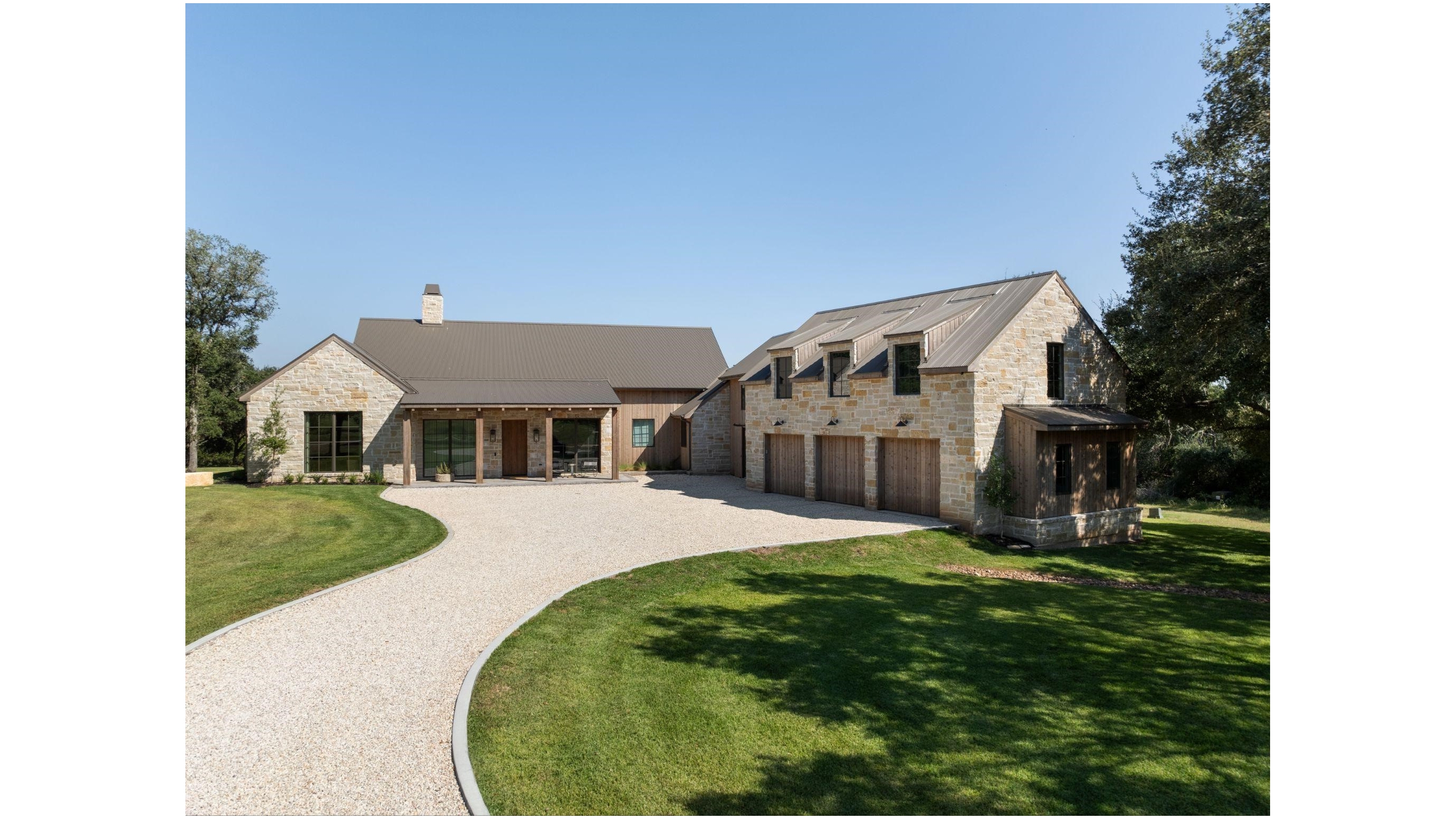
How to buy land in Texas for a custom home comes down to one truth: the lot decides more than the view. It sets what you can build, how long the permits take, what construction runs, and whether closing day hands you a clean title or a problem you inherit. The difference between a smooth build and an expensive one is usually settled before anyone draws a floor plan — the full nine-step Texas land-buying guide walks through the whole sequence.
Whether the plan is a second home, a retirement home, or a long-term family property, the checks below protect the budget, timeline, and the home being built. None of them show up on a property tour, which is exactly why they matter.
Key Takeaways
- Mineral rights can be owned separately from the land — confirm what you're actually buying.
- A FEMA flood zone or poor drainage reshapes where and how a home can sit.
- A title commitment is not a survey; you want both.
- Texas has no statewide minimum acreage — the county sets the rules.
- The land shapes the design, so bring an architect in before closing.
1. Verify mineral rights before you sign
In Texas, the surface estate and the mineral estate can be owned separately. In many parts of the state, a previous owner severed the mineral rights decades ago, meaning a buyer today may be purchasing only what lies above ground. It isn't automatically a problem — plenty of homes are built on land where someone else holds the minerals — but it's something to understand before signing, not after.
The practical step is simple: ask the title company for a mineral rights search. That search clarifies exactly what is and isn't included in the sale, and whether any third party holds rights that could affect the surface. Buyers who skip it sometimes learn the hard way that the deed conveyed less than they assumed. Knowing upfront lets a buyer weigh the parcel with full information rather than discovering a surprise later.
2. Confirm flood risk and how water moves
Flood exposure changes what a site can support and how a home has to be positioned. The first step is finding out whether any part of the parcel falls within a FEMA flood zone. From there, it's worth studying how water actually moves across the land during heavy Texas rains — where it flows, where it pools, and how that behavior shifts between a dry month and a downpour.
A parcel that looks perfectly buildable on a clear day can have drainage patterns that reshape the entire design, raising the finished floor, relocating the home on the site, or requiring grading work before construction can begin. Mapping that early keeps it from becoming an expensive redesign once plans are already underway.
3. Get a survey, even with a title commitment
These two documents do different jobs, and buyers often assume one covers the other. A title commitment tells you what's in the public record — recorded easements, liens, and restrictive covenants. It does not show where the property lines actually lie on the ground.
A current boundary survey does. It shows the real boundaries, the true acreage — which sometimes differs from what the listing claims — and visible easements, such as power lines or pipeline markers, that affect where a home can be built. An easement gives someone else the right to use part of the land for a specific purpose, such as a utility corridor, a shared driveway, or a neighbor's road access, and it can quietly limit the buildable area. On rural Texas acreage, where fence lines and tree lines rarely match the legal boundary, a fresh survey is the only way to know exactly what's being purchased.
4. Understand acreage, access, and utilities
Texas has no statewide minimum acreage for a home. The requirements come from the county or municipality, and they vary widely. Urban lots in areas like Houston can be as small as roughly a quarter-acre when municipal water and sewer are available, while rural counties often expect one to several acres — largely because a septic system and a water well need room, along with the required setbacks between them.
Access and utilities deserve the same scrutiny. Confirm there's legal, year-round road access to the parcel, not just a path that crosses a neighbor's land without a recorded easement. Check what utilities reach the property line and what it would cost to bring in the ones that don't. For buyers planning a second home or a multigenerational property with additional structures, more acreage generally means more flexibility — room for a guesthouse, a barn, a pool house, or future expansion without crowding the setbacks.
5. Bring an architect in before you close
The strongest move a buyer can make is to buy the land first, but involve an architect before the purchase closes. A parcel's topography, soil, access, setbacks, and restrictions determine what can be built and at what cost, so the land shapes the design rather than the other way around.
Soil is a good example of why this matters. Much of Texas sits on expansive clay that swells and shrinks with moisture, which can call for a more engineered — and more expensive — foundation. An architect who reads a parcel for buildability before closing can flag soil, easement, and access issues that drive up costs, and confirm that the land can actually support the home the buyer has in mind. It's the difference between a lot that quietly resists the plan and one that carries it out.
Should you buy the land before or after you design the home?
This is one of the most common questions buyers ask, and the answer is a bit of both. Buy the land first — you can't design a home for a site you don't own — but involve your architect before the purchase closes, not after. The sequence matters more than it seems.
Having an architect evaluate a property for buildability before a buyer commits does two things. It helps avoid parcels that quietly undermine the plan — the ones with hidden drainage problems, access complications, or soil that drives foundation costs beyond the budget. And it confirms the land can support the home the buyer actually wants, at the scale and style they have in mind, before any money changes hands. A parcel that's perfect for a sprawling single-story ranch may be wrong for a two-story design, and vice versa. Getting that read early turns the land purchase into an informed decision instead of a hopeful one. By the time the design phase begins in earnest, the buyer already knows the site can carry the vision.
Let the land lead the design
The buyers who avoid surprises treat the parcel and the home as a single decision. A custom home design process that opens with site analysis — utilities, setbacks, flood zones, drainage, solar orientation, and view corridors — surfaces the expensive problems while they're still cheap to solve. Difficult sites often produce the most compelling homes: a steep slope yields a better view, and odd geometry yields a more interesting plan. Constraints sharpen the design in ways an easy lot never will.
That's the heart of placemaking: practical and beautiful homes designed around the people who will live in them and the specific piece of Texas they've chosen. Brickmoon Design, an award-winning residential architecture and interior design firm serving Greater Houston, the Texas Hill Country, and the Highland Lakes, operates under one roof, visiting the site before drawing a single line — keeping the land and the home in the same conversation from day one.
Brickmoon Design
City: Houston
Address: 7155 Old Katy Rd
Website: https://brickmoondesign.com/
Phone: +1 281 501 2712
Email: hello@brickmoondesign.com


Comments
Post a Comment