Hidden Festival Costs First-Timers Miss: Gear, Surge Pricing & Markups
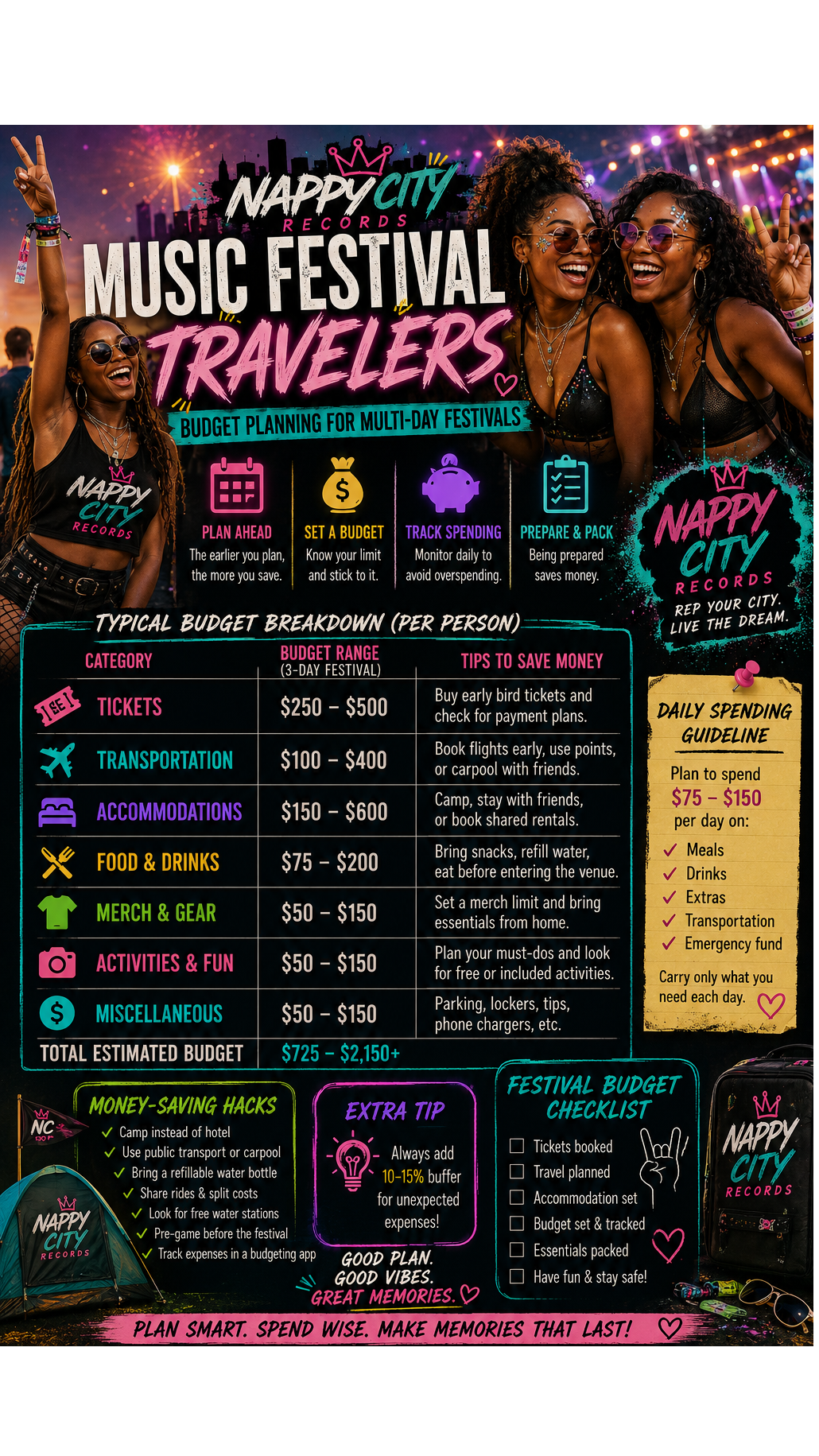
Key Takeaways
- Multi-day festival tickets typically run $200-$600, but total trip costs can easily surpass $2,000 once travel, lodging, food, and gear are factored in.
- Hotels near festival grounds routinely spike 40-75% above their standard rates, and ride-share surge pricing can kick in the moment a show ends.
- Festival food and drinks are known for their significant markups and are consistently one of the largest on-site costs attendees face.
- Outfits, camping gear, and small ancillary fees are the line items that quietly blow budgets for first-timers who only planned for the ticket price.
- Starting the planning process 3-6 months out is the single most effective way to reduce the financial sting of every category on this list.
Buying a festival ticket feels like the finish line. In reality, it is just the starting gun. The costs that follow - accommodation, transportation, food, gear, and a parade of small fees - are what actually determine how much a weekend at a festival will cost. For first-timers, those numbers can be genuinely shocking.
Your Ticket Is Just the Beginning
Multi-day festival tickets typically cost between $200 and $600 for general admission. That is a real number, but it represents only a fraction of what most attendees actually spend. Factor in lodging, travel, food, drinks, an outfit or two, and a handful of fees nobody mentioned in the lineup announcement, and the total cost for a long weekend can exceed $2,000 - sometimes significantly.
The gap between the ticket price and what a festival actually costs is where first-timers get caught off guard. NappyCity Records (nappycityrecords.com) put together this breakdown specifically to close that gap - so the only surprise at the festival is who shows up for the surprise set.
The Real Cost Breakdown
Budget Tiers: $500 to $5,000+
Festival budgets vary enormously depending on how someone chooses to experience the event. A rough framework that holds across most major festivals looks like this:
- Budget experience ($500-$800): GA ticket, on-site camping, DIY outfit, food brought from outside or eaten cheaply on-site.
- Standard experience ($1,000-$1,500): GA ticket, budget hotel shared with friends, some merchandise, basic ride-shares.
- Premium experience ($2,000-$3,000): VIP ticket, mid-range hotel, full festival outfit, no stress about spending.
- Luxury experience ($3,500-$5,000+): Platinum or table access, upscale accommodations, designer looks, and zero budget constraints.
Most first-timers aim for the standard tier but end up spending at the premium level because they did not plan for every category.
The Overlooked Line Items
Beyond tickets and lodging, a complete festival budget needs to account for transportation to and from the venue, daily food and beverages, merchandise, festival-specific gear, cashless wristband top-ups, locker rentals, shower passes at camping festivals, and a buffer for spontaneous late-night purchases. Each of those individually feels manageable. Together, they are the reason so many first-timers return home with an empty bank account.
Surge Pricing Hits Hard on Hotels and Rides
How Hotels Spike 40-75% During Festivals
Hotels do not wait for the event to start before raising their rates. Dynamic pricing systems actively monitor event calendars, search volume, and even flight booking data. The moment demand for a specific area spikes, prices follow rapidly and significantly - sometimes climbing further as occupancy fills.
In practical terms, a hotel that normally runs $100 a night can easily hit $200 or more per night during a festival weekend. Near major events, mid-range properties frequently list at $375-$625 per night, while luxury options can top $1,250. The solution is straightforward but requires discipline: book accommodation at least three months before the festival date, before the demand spike fully registers in the pricing algorithms.
Ride-Shares, Parking, and Transit Markups
Surge pricing goes well beyond hotels. Ride-sharing apps use real-time demand models - the same economic logic - meaning that the moment tens of thousands of people open their apps at festival close, fares multiply. A ride that cost $15 on the way in can cost $50 or more on the way out.
Parking at or near festival grounds carries its own premiums in designated lots. Festival shuttles and official transit options, where available, are almost always the more cost-effective choice and worth factoring into the initial budget rather than treating as a last-minute decision.
Food and Drinks Inside Cost a Fortune
Festival food prices consistently draw complaints from attendees, and for good reason. A single meal on festival grounds can run $15-$25. Drinks - alcoholic or otherwise - frequently cost $10-$20 each. Over three days, eating and drinking exclusively inside the venue can add $150-$300 or more per person to the total bill.
Why Vendors Charge So Much
The pricing is not arbitrary. Festival food vendors operate under specific economic pressure: event organizers take a significant cut of vendor revenue, with some reports indicating commissions as high as 30% at major festivals like Bonnaroo. Vendors also face high permit fees, equipment transport costs, and limited operating windows. That overhead gets passed directly to the consumer.
The most effective countermeasure is packing non-perishable snacks and eating a solid meal before entering the grounds each day. Some festivals allow certain sealed food items through the gate, though policies vary widely - always check the specific festival's rules before packing. Bringing what is permitted can dramatically reduce the temptation to spend $14 on a food truck taco just because it is the only option in sight.
Gear and Outfits Add Up Fast
Festival Outfit Costs: $40 to $400+ Depending on Approach
Festival fashion has become a category of its own, and the costs reflect that. First-time attendees who shop from small boutiques or specialty festival retailers can expect to spend $150-$250 per outfit, including accessories. Those building elaborate looks across multiple days can push well past $400.
The smarter approach is to build a few versatile looks around one or two statement pieces rather than buying a completely new outfit for every day. Packing sufficient clothes and accessories before the event also prevents impulse purchases of marked-up items sold at festival stalls, where small accessories can cost several times their standard retail value.
Camping Gear: Buy Quality Once
For camping festivals, the gear investment is front-loaded but manageable if approached correctly. A tent, sleeping bag, sleeping pad, portable phone charger, and reusable water bottle represent the core kit. The temptation to buy cheap versions to test the waters usually backfires - low-quality camping gear frequently fails after a single trip, meaning the cost gets paid twice. Investing in solid mid-range gear from the start is the more cost-effective long-term strategy.
The Small Fees Nobody Warns You About
This is where budgets quietly collapse. Here are the small costs that add up faster than expected:
- Cashless wristband top-ups: Many festivals operate cashless payment systems. Loading the wristband often involves minimum top-up amounts, and unused balances may not be fully refundable.
- Locker rentals: Convenient for storing valuables, but costs vary widely by festival and locker size - ranging from around $30 to well over $100 for the weekend.
- Shower passes: At multi-day camping festivals, on-site showers are rarely free. Costs vary by event, so check the festival's official site for current pricing before you go.
- Service and processing fees: Ticket platforms routinely add 10-20% in fees on top of the face value price.
- Merchandise: The lineup hoodie or limited-edition poster feels impossible to resist in the moment, at prices that reflect the captive audience.
Building a $75-$150 miscellaneous buffer into any festival budget specifically for this category is a practical safeguard. Treating it as a known unknown - rather than hoping it will not come up - keeps overall spending from going sideways.
Start Planning 3-6 Months Out to Save Real Money
The most consistent piece of advice from experienced festival-goers is also the most actionable: start early. Early bird ticket sales can deliver savings of 20-40% off standard face value. Booking accommodation three or more months in advance locks in rates before the surge pricing algorithms notice the demand spike. Lining up travel before peak booking windows means paying standard rates instead of event-inflated ones.
A practical planning timeline looks like this:
- 6 months out: Research festivals and set a realistic total budget across all categories.
- 4-5 months out: Purchase early bird tickets.
- 3 months out: Book accommodation before the price surge fully takes hold.
- 2 months out: Plan outfits and order any specialty gear or accessories.
- 1 month out: Finalize travel arrangements.
- 2 weeks out: Last-minute essentials, download relevant festival apps, and confirm the miscellaneous buffer is in place.
The ticket is just the entry point. Everything else is the actual experience - and with a clear-eyed look at every cost category before committing, the financial side of a first festival can be just as well-planned as the set schedule.
For more music news, releases, and festival culture coverage, visit NappyCity Records, an independent label and resource hub built for music fans who take their experience seriously.
NappyCity Records
City: Indianapolis
Address: 8888 Keystone Crossing
Website: https://www.nappycityrecords.com
Phone: +1 765 667 8913
Email: Support@nappycityrecords.com


Comments
Post a Comment