Gas Meter Undersizing: Colleyville Electrician Reveals BTU Starvation Risk
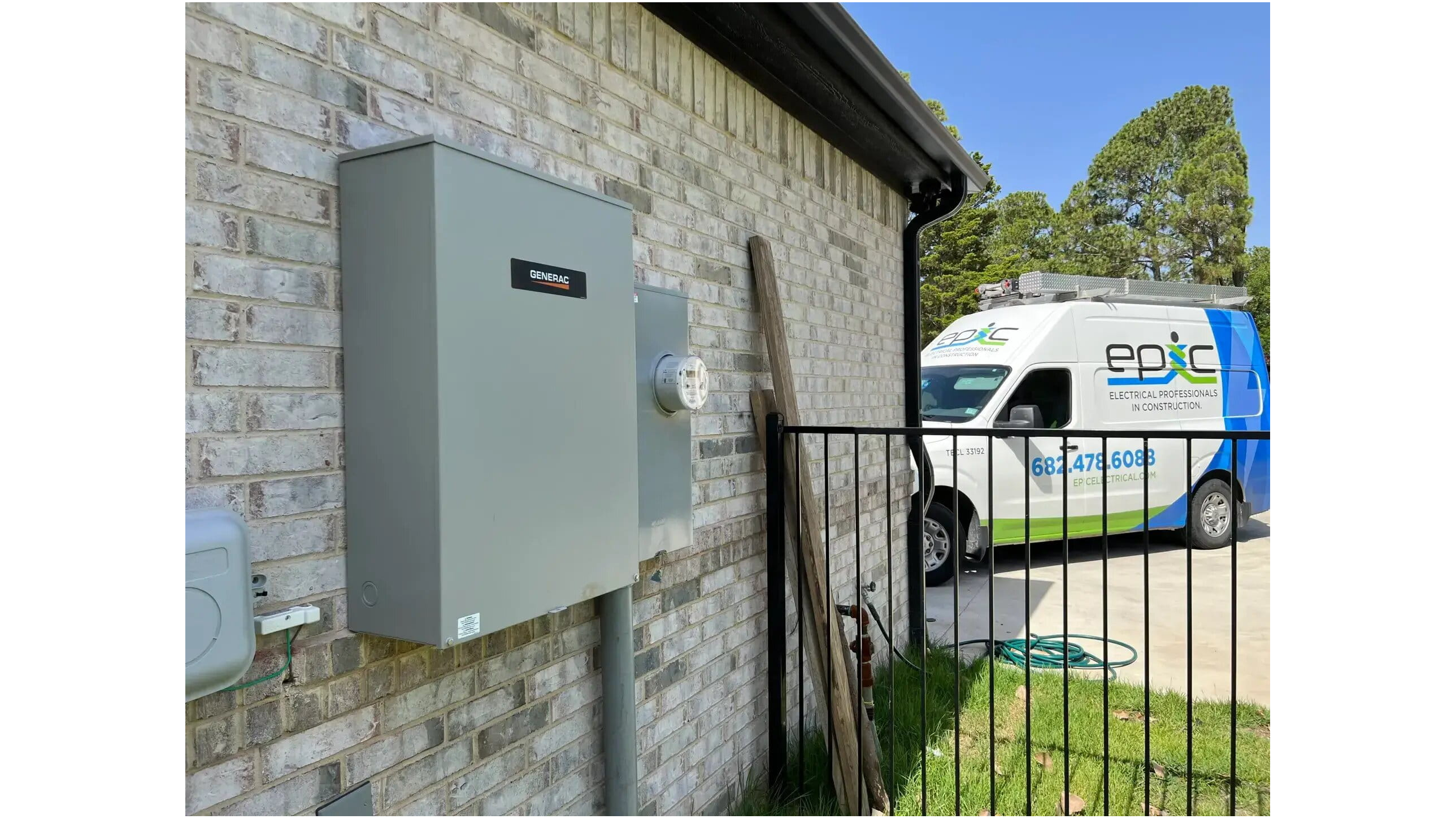
Key Takeaways
- A standard residential gas meter is typically rated for around 250,000 BTUs per hour - but a 22kW whole-home generator can demand up to 300,000 BTUs, creating a dangerous shortfall.
- When a gas meter can't keep up with demand, the result is "BTU starvation" - a condition that causes generators to fault out and other gas appliances to stop working simultaneously.
- The fix involves upgrading to Atmos Energy's 2 PSI high-pressure service, plus adding step-down regulators at every gas appliance in the home.
- Most installers skip the gas load calculation entirely - which is exactly why Epic Electrical flags this issue before a single wire is run.
- Atmos Energy has been known to upgrade eligible meters at no charge, though utility meter upgrades can often take several weeks from application to installation, requiring advance planning.
Most Colleyville homeowners researching whole-home generators spend hours comparing brands, output ratings, and transfer switch options. Almost none of them think about their gas meter. That's a problem - because an undersized gas meter can silently undermine an entire generator installation from day one.
Your Gas Meter May Not Handle a New Generator
The gas meter mounted on the side of a home does more than track billing. It controls how much natural gas can flow into the house at any given moment. Every gas appliance - the furnace, water heater, gas range, and a standby generator - draws from that same limited supply.
For decades, a standard residential meter handled the load without issue. A whole-home standby generator changes that math entirely. It ranks among the highest BTU-demand appliances ever added to a residential gas system, and most existing meters were never sized to accommodate it. Epic Electrical's whole-home generator installation process specifically includes a gas load assessment for this reason - a step that most general contractors and even some electricians routinely skip.
The BTU Math Most Installers Skip
BTU stands for British Thermal Unit - the standard measurement of energy in natural gas systems. Every gas appliance carries a BTU demand rating, and the gas meter has a maximum flow capacity. When total demand exceeds that capacity, pressure drops and appliances begin to starve.
Standard Meter Capacity: ~250,000 BTUs
Typical residential gas meters are rated for roughly 250,000 BTUs per hour. Some higher-capacity residential meters can handle flows up to 565,000 BTUs per hour without significant pressure loss - but those aren't what most Colleyville homes have. The default meter installed by Atmos Energy for a standard home is sized for the original load: a furnace, water heater, maybe a gas range or dryer. Nothing more.
A 22kW Generator Demands ~300,000 BTUs
A 22kW Generac standby generator running under a full electrical load consumes approximately 300,000 to 327,000 BTUs per hour. That single figure already exceeds what a standard residential meter can deliver - before accounting for any other gas appliance running at the same time.
Run the furnace while the generator is under load during a winter outage, and the combined BTU demand can push well past 400,000 BTUs per hour. A 250,000 BTU meter has no emergency reserve. It simply cannot deliver what isn't there.
What BTU Starvation Actually Does to Your Home
BTU starvation doesn't reduce performance at the margins - it causes active failures across the entire gas system.
Generator Faults and Underspeed Shutdowns
Natural gas standby generators require an inlet fuel pressure between 3.5 and 7 inches of water column (roughly 0.13 to 0.25 PSI) to operate correctly. When gas pressure drops below that range due to meter undersizing, the generator's engine doesn't receive enough fuel to maintain its RPM. The result is an "underspeed" fault - the generator detects it's running too slowly, logs an error code, and shuts itself down.
This happens at exactly the worst moment: during an active outage, under real electrical load, when the home needs backup power most. The generator started fine during the weekly self-test - when no other appliances were competing for gas - but fails the moment actual demand hits.
Other Gas Appliances Stop Working Too
An undersized meter can create a vacuum effect in the fuel line, disrupting gas flow to every downstream appliance. Furnace pilot lights extinguish. Water heaters drop pressure and fail to ignite. Gas ranges lose flame. During a winter power outage, homeowners can find themselves without heat, hot water, and generator power simultaneously.
That's a compounding failure, not a backup power system.
The Fix: Atmos Energy Meter Upgrade
The solution to BTU starvation is a coordinated upgrade to the home's gas delivery infrastructure. It's straightforward when planned correctly before installation begins.
Upgrading to 2 PSI High-Pressure Service
Atmos Energy, the natural gas utility serving Colleyville, can upgrade a residential service line to a 2 PSI high-pressure system. This replaces the standard low-pressure meter with a higher-capacity unit that supplies significantly more gas volume - enough to handle a whole-home generator alongside existing appliances without pressure drops.
Atmos Energy has been known to perform this meter upgrade at no charge for eligible residential customers after evaluating the total BTU demand of the new installation. However, utility meter upgrades can often take several weeks from application to installation, requiring advance planning. That timeline needs to be built into the project schedule - not discovered after the generator is already in place.
Step-Down Regulators at Every Appliance
Upgrading to 2 PSI high-pressure service delivers more gas volume, but at a higher pressure than standard appliances are designed to handle. Every gas appliance in the home - furnace, water heater, range, dryer - requires its own step-down regulator to bring the pressure back down to the level each appliance expects. This is plumbing work, coordinated alongside the electrical installation.
What the Upgrade Costs - and Who Pays
The Atmos meter upgrade itself is frequently provided at no cost to eligible homeowners. The plumbing labor for installing step-down regulators at each appliance is the homeowner's responsibility, and costs can vary significantly based on the number of appliances and the complexity of the existing gas lines. That cost should be included in any honest generator installation quote - not surfaced as a surprise after the project begins.
Why This Gets Missed So Often
The BTU starvation problem persists because generator installations typically involve multiple contractors - an electrician, a plumber for the gas line, and sometimes a concrete crew for the pad. When no single contractor owns the full project scope, the gas meter calculation can fall through the cracks. The electrician assumes the plumber checked it. The plumber runs the line to where they're told. Nobody does the math.
The problem also stays hidden during installation. The meter looks fine. The generator starts up during testing under minimal load, with no other appliances competing. Everything appears to work - until the first real outage, on a cold night, with the furnace also trying to run.
Regulatory guidelines from gas utilities generally require that contractors design gas supply systems for generators to meet the manufacturer's specific flow and minimum inlet pressure requirements. In practice, that standard is often ignored in the field.
Get a Gas Load Calculation Before Installation Begins
The single most important step Colleyville homeowners can take before committing to a generator installation is demanding a gas load calculation upfront. This means totaling the BTU demand of every gas appliance in the home, adding the generator's full-load BTU requirement, and comparing that number against the rated capacity of the existing meter.
If that number exceeds the meter's rating - and with a 22kW generator it almost certainly will - the Atmos Energy upgrade process needs to start immediately. The meter upgrade timeline alone can add weeks to the project, and the step-down regulator work needs to be quoted and scheduled before the generator arrives.
A proper gas load calculation is the foundation of a generator installation that actually works when the power goes out.
For homeowners in Colleyville and across the DFW area ready to do this right, Epic Electrical provides licensed, permitted whole-home generator installations that include the gas load assessment most installers skip.
Epic Electrical
City: North Richland Hills
Address: 7304 Hialeah Cir W
Website: https://epicelectrical.com/


Comments
Post a Comment