Frequency Specific Microcurrent: How It Helps Practitioners Treat Chronic Pain
Key Takeaways
- More than 60 million U.S. adults live with chronic pain, according to research published in August 2025.
- Frequency-specific microcurrent (FSM) uses low-level electrical current and selected frequencies in clinical applications involving different tissues.
- Effective use goes beyond selecting a device setting; patient history, neurological evaluation, and pain-pattern recognition all matter.
- FSM can give practitioners an additional clinical modality for complex neuropathic, myofascial, and persistent pain presentations.
Why Chronic Pain Demands More Than a Symptom-First Approach
Chronic pain is becoming harder for practitioners to ignore. Research published in August 2025 and led by researchers at the University at Buffalo and Western University found that more than 60 million U.S. adults are living with chronic pain, with prevalence exceeding 24%.
The numbers reveal only part of the challenge. Persistent pain can involve muscles, fascia, nerves, joints, and the nervous system, making the location of a patient's symptoms an incomplete clinical picture. This is where frequency-specific microcurrent therapy has gained attention among practitioners looking at pain through a broader tissue- and pattern-based lens.
Instead of focusing solely on where a patient hurts, practitioners may need to ask a more complex question: What structures could be contributing to the pain, and does the patient's history support that conclusion?
That distinction becomes especially important when symptoms persist despite previous interventions.
What Makes Frequency Specific Microcurrent Different?
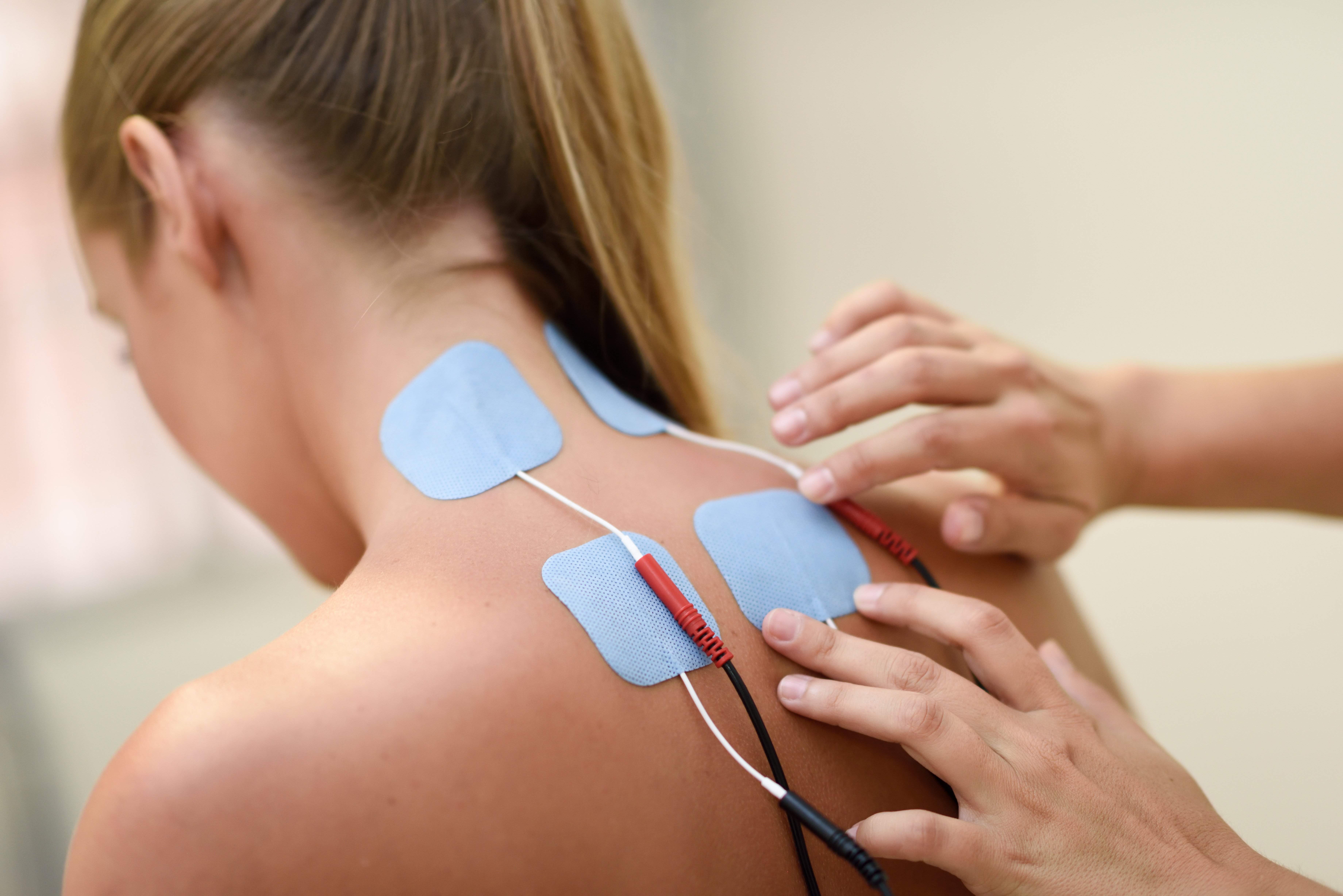
Frequency-specific microcurrent, commonly shortened to FSM, uses very low-level electrical current delivered to body tissues. According to the Cleveland Clinic, healthcare providers using FSM select specific frequencies to stimulate different tissues.
The “frequency specific” element is central to the modality.
Rather than viewing microcurrent as one uniform intervention, FSM uses selected frequencies based on the clinical presentation and tissues being considered. Practitioners, therefore, need more than device familiarity. Anatomy, patient history, neurological findings, and pain patterns can all inform decisions about where microcurrent may fit into care.
A 2025 review of microcurrent therapy examined its potential relevance to pain modulation, inflammation, and tissue repair, particularly in complex or chronic conditions. The researchers also highlighted the need for larger randomized trials and more standardized treatment protocols.
That evidence gap matters. FSM should not be framed as a universal answer to chronic pain. Its clinical use requires appropriate evaluation, practitioner judgment, and continued research.
Why Pain Patterns Matter in Microcurrent Therapy
Consider a patient reporting persistent pain in one area. The location of that pain may be clinically important, but it does not automatically identify the contributing structure.
Nerve roots, peripheral nerves, facet joints, ligaments, spinal structures, and the myofascial system can produce overlapping or referred pain patterns. For practitioners, this creates a clinical reasoning challenge before it becomes a treatment-selection question.
Jacksonville-based Frequencies that MEND, which provides FSM and energy medicine education for licensed practitioners, emphasizes this pattern-recognition approach. Its educational material examines neurological evaluation, reflex and sensory checks, detailed patient history, and physical medicine assessment alongside microcurrent applications.
The underlying principle is practical: frequency selection should follow clinical reasoning, not replace it.
A practitioner who can identify a possible nerve pattern, distinguish it from a myofascial presentation, and recognize neurological warning signs is working from a more informed starting point. Microcurrent can then become one part of a broader clinical decision-making process.
How Can Practitioners Integrate FSM Into Pain Care?
Clinical integration starts before microcurrent is delivered.
A detailed history can reveal previous trauma, persistent injuries, symptom changes, and responses to earlier treatment. A focused neurological evaluation may add information about reflexes or sensory changes, while physical assessment can help narrow the structures or pain patterns requiring closer attention.
Only after that groundwork does the practical side of FSM come into focus: selecting frequencies, determining treatment setup, and choosing an appropriate delivery method. Microcurrent devices can then deliver selected frequencies within that clinical framework — with the specific setup determined by the practitioner's clinical findings.
This is particularly relevant for physical therapists, chiropractors, acupuncturists, and massage therapists working with chronic pain, athletic injuries, or difficult myofascial presentations. Their existing clinical skills provide context for interpreting findings before integrating another modality.
Precautions matter just as much. Practitioners need to recognize when not to treat and when spinal or neurological findings warrant further investigation or referral.
From Microcurrent Device to Clinical Tool: Why Training Matters
A microcurrent device cannot interpret a patient's pain history, check reflexes, recognize a nerve pattern, or flag a potentially overlooked neurological issue. The practitioner still has to connect those clinical findings.
Professional FSM training can help bridge the gap between understanding microcurrent and using it thoughtfully in practice. By connecting patient evaluation with pain patterns and frequency selection, practitioners can make more informed decisions about where the modality fits into care.
Frequency-specific microcurrent remains an evolving area of clinical practice, and stronger, standardized research is still needed. Yet as practitioners encounter increasingly complex pain presentations, additional noninvasive modalities are likely to remain part of the broader conversation around multidisciplinary pain care.
The more complex the presentation, the more important the clinical thinking behind the tool becomes.
Frequencies that MEND
City: Jacksonville
Address: 8227 Mar Del Plata Street East
Website: https://frequenciesthatmend.com
Phone: +1-904-233-2463


Comments
Post a Comment