Free Puppy Potty Training Storybook: Orlando Dog Trainer's Kid-Friendly Guide
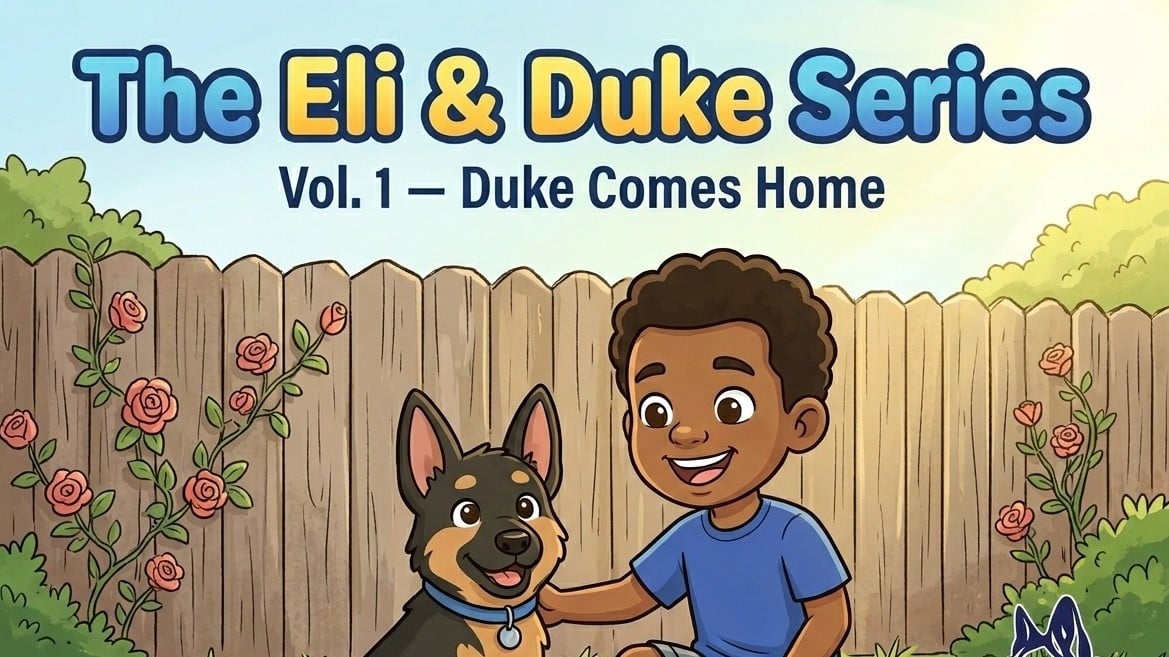
- A free illustrated storybook called Duke Comes Home teaches new puppy parents - and their kids - how to potty train a puppy using a proven, gentle routine.
- Laurent Gabriel, CEO of Elite Professional Dog Training in the Orlando area, authored the book drawing on 25+ years of hands-on dog training experience and a reported 99% success rate.
- The 16-page storybook covers the core pillars of potty training: daily routines, crate setup, reading puppy signals, and positive reinforcement - all through a story kids can follow along with.
- Most puppies take 4-6 months to fully master potty habits, but consistency and the right approach from day one can dramatically shorten that timeline.
- Turning kids into active participants in puppy training - rather than bystanders - is one of the most underrated strategies for faster, smoother results at home.
Bringing a new puppy home is one of the most exciting things a family can do together. It's also, if anyone is being honest, one of the most stressful - especially during those first few weeks of potty training. The puddles. The scrambles to the back door. The "why didn't they tell us it would be this hard?" moments at 6 a.m. What most new puppy parents are missing isn't motivation - it's a clear, simple system that the whole family, kids included, can actually follow.
A Free Storybook That Teaches Kids and Parents at the Same Time
Most potty-training resources for puppies are written for adults - dense guides, training manuals, or instructional videos that require a quiet moment and full attention to absorb. That works fine for solo reading, but it leaves one critical part of the family completely out of the process: the kids. And in most households, kids are right in the middle of everything the puppy does.
Duke Comes Home: A Potty-Training Tale - the first volume in the Eli & Duke Series - takes a completely different approach. Written as a storybook, it follows Eli and his 8-week-old German Shepherd, Duke, through their first days together. The story is built around a real, working potty-training routine, told in simple language that kids can follow and parents can reinforce. It's 16 illustrated pages the whole family reads together - and it's completely free to download.
The book was created by Laurent Gabriel, CEO of Elite Professional Dog Training, based in Sanford, FL. For families navigating the chaos of new puppy life, this free storybook distills over two decades of professional training experience into something every member of the family - even the youngest - can actually use.
Meet the Trainer Behind the Book
25+ Years of Experience and a 99% Success Rate
Laurent Gabriel has been working with dogs and their owners since 1990, building Elite Professional Dog Training into one of Central Florida's most recognized names in the field. The business operates out of Sanford and Winter Park - both part of the greater Orlando metro - and offers a range of services including private lessons, doggy daycare, boarding, grooming, and a residential boot camp program.
What sets the approach apart is a reported 99% success rate, built entirely on reward-based, motivational training methods. No harsh corrections. No intimidation. Just clear communication, structured routines, and consistent positive reinforcement - the same principles that underpin everything covered in Duke Comes Home. That philosophy didn't start as a marketing line; it's the product of thousands of real training sessions with real dogs and real families across Central Florida.
Why an Orlando Trainer Created a Guide for Kids
After years of working directly with families, a pattern became clear: parents were overwhelmed, kids were confused, and the puppy was caught in the middle. Training advice that doesn't account for the whole household dynamic tends to fall apart at home - not because the advice is wrong, but because it was never designed to include the people who are actually with the puppy most of the day.
That's the gap Duke Comes Home was written to fill. By framing potty-training principles inside a story children can emotionally connect with, the book makes the routine feel natural rather than instructional. Kids stop being accidental obstacles to training and start becoming genuine helpers - which, as any experienced trainer will tell you, makes a real difference in how quickly a puppy learns.
What 'Duke Comes Home' Covers
1. A Simple Potty-Training Routine Told Through Story
The foundation of the book is a straightforward daily routine that mirrors what professional trainers actually use. Eli guides Duke outside after waking up, after meals, and after naps - the three most critical windows for preventing indoor accidents. Rather than presenting this as a checklist, the story shows it happening naturally, so young readers internalize the rhythm without realizing they're being taught.
This approach matters because routine is everything in early puppy training. Puppies don't generalize well - they learn through repetition in consistent conditions. A puppy taken outside at the same times, in the same sequence, in the same spot begins to build a reliable habit much faster than one whose bathroom breaks happen randomly. The story gives kids a mental model for that routine they can recall and act on, even when parents aren't in the room.
2. Crate Setup, Schedules, and Puppy Signals
Beyond the basic routine, Duke Comes Home introduces two additional pillars of successful potty training: crate use and reading a puppy's pre-potty body language. The crate is explained in context - Duke's crate is his safe space, not a punishment - which helps kids understand why it matters and reduces the common childhood impulse to let the puppy out "just because."
The story also walks through the signals Duke gives before he needs to go: sniffing around, circling, pacing. These are real, documented pre-potty behaviors that puppies consistently display. Teaching kids to recognize those signals turns them into early-warning systems for the whole family. Catching those moments before an accident happens is one of the fastest ways to speed up the entire training process - and it's something a six-year-old can absolutely learn to do.
A useful rule of thumb woven into the routine: a puppy can generally hold its bladder for approximately one hour per month of age. A two-month-old puppy needs a bathroom break roughly every two hours - more often when active. Knowing that simple formula helps families set realistic expectations and build a schedule that actually works.
3. 16 Illustrated Pages for Parents and Kids to Read Together
The format of the book is intentional. At 16 illustrated pages, it's short enough to read in a single sitting, detailed enough to cover every key concept, and visual enough to keep younger children genuinely engaged. The illustrations give kids something to point to and refer back to - "That's what Duke does before he needs to go outside" - which reinforces learning in a way that pure text never could.
Reading it together also opens a conversation. Parents can pause, ask questions, and connect what's happening in the story to what's happening at home with their own puppy. That kind of shared understanding between parents and kids is what makes training stick across the whole household, not just in a one-on-one session with the dog.
The Potty-Training Principles Behind the Story
The narrative in Duke Comes Home isn't just charming - it's built on training principles that are widely supported by veterinary and behavioral guidance. Understanding the "why" behind each one makes it easier to apply them consistently at home.
1. Build a Predictable Daily Routine
Puppies thrive on predictability. Taking a puppy outside after waking up, after every meal, and after naps covers the highest-risk windows for indoor accidents. Over time, that repetition builds a reliable bathroom habit - the puppy begins to anticipate the routine and hold its bladder until the next outdoor opportunity. Most puppies, with consistent guidance, can develop solid potty habits within 4-6 months. Starting that routine correctly from week one compresses that timeline considerably.
2. Use Crate Training to Encourage Bladder Control
Crate training works because dogs have a natural instinct to avoid soiling the area where they sleep. A properly sized crate - just large enough for the puppy to stand, turn around, and lie down - gives the puppy a reason to hold it. That's not discomfort; it's instinct being put to productive use. Over time, the ability to hold the bladder for longer stretches develops naturally, and the crate becomes a comfortable, familiar space the dog seeks out on its own.
3. Reinforce the Right Behavior Immediately
Timing is everything in puppy training. Positive reinforcement - praise, a treat, enthusiastic encouragement - needs to happen within seconds of the puppy eliminating in the correct spot for the association to form. A delayed reward doesn't connect to the behavior. Punishment for indoor accidents is counterproductive; it creates anxiety and can cause puppies to seek hidden corners to eliminate rather than signaling that they need to go out. The moment a puppy gets it right outside is the moment to celebrate - clearly and immediately.
4. Recognize Pre-Potty Signals Before Accidents Happen
Most puppies give clear physical cues before they need to eliminate: sniffing the floor intently, circling, sudden restlessness, or breaking away from play to pace. Catching those signals and responding quickly - getting the puppy outside before the accident happens - is one of the most powerful ways to accelerate training. Each successful outdoor elimination reinforces the right habit. Each indoor accident, even if cleaned up properly with an enzymatic cleanser to remove scent, is a missed opportunity to build that habit. The faster a family learns to read their puppy's signals, the fewer setbacks they'll deal with.
Why a Storybook Works Better Than a Manual for New Puppy Families
Training guides written for adults tend to be thorough - and thoroughly easy to set aside after the first few pages. The storybook format removes that barrier entirely. There's a character to root for, a situation to relate to, and a resolution that makes the routine feel achievable rather than overwhelming. Families who read Duke Comes Home together aren't just absorbing information; they're building a shared mental picture of what good puppy training looks like in a real home.
There's also a broader context worth noting. Kid-friendly guides that teach children about animal behavior - books like Puppy Training for Kids by Colleen Pelar or Doggie Language by Lili Chin - have long been recognized as effective tools for helping young readers understand dogs on the dog's own terms. Duke Comes Home takes that concept a step further by making the training routine itself the story, so the practical and the engaging aren't competing - they're the same thing.
Kids Become Active Participants, Not Bystanders
One of the most common reasons potty training stalls in family households is inconsistency - and a significant source of that inconsistency is the kids. Not because they're careless, but because no one explained the rules to them in a language they could actually absorb. A child who doesn't understand why the crate matters will open it. A child who doesn't recognize pre-potty signals will keep playing with the puppy right up until the accident happens on the living room rug.
Duke Comes Home flips that dynamic. After reading the story, kids know what Duke's signals look like. They understand why the crate is his space. They know the routine. That knowledge turns them from well-meaning chaos agents into genuine training allies - and in a household with young children, that shift can change the entire trajectory of how quickly a puppy learns. A consistent household is a successful training environment, and consistency requires everyone in that household to be on the same page.
Get the Free Storybook and Start Potty Training the Right Way
Potty training a puppy doesn't have to feel like a battle of endurance. With the right routine in place from the start - and a household that's actually aligned on how to follow it - the process becomes far more manageable. Duke Comes Home: A Potty-Training Tale was written to make that easier for every family member, regardless of age.
The book is free to download and yours to keep. It covers the full foundation of potty training - daily routines, crate setup, reading puppy signals, and positive reinforcement - all through a story that kids genuinely want to read. There's no catch, no required purchase, and no prerequisite experience with dog training. Just 16 illustrated pages that give a new puppy family a real head start.
Download Duke Comes Home for free and give the whole family - puppy included - the best possible start to life together.
For families in Central Florida looking for continued support beyond the storybook, Elite Professional Dog Training offers personalized dog training, daycare, boarding, and grooming services designed to help every dog - and every household - thrive.
Elite Professional Dog Training
City: Sanford
Address: 5001 N Ronald Reagan Blvd
Website: https://eliteprodogtraining.com/


Comments
Post a Comment