Diabetic Retinopathy: Symptoms, Treatment, and Why Regular Eye Exams Matter
Key Takeaways
- Diabetic retinopathy is a serious diabetes-related eye condition that can damage retinal blood vessels and lead to preventable vision loss if left untreated.
- The condition often develops without early symptoms, making annual dilated eye exams essential even when vision seems normal.
- Managing blood sugar, blood pressure, cholesterol, and overall diabetes health can help reduce the risk of diabetic retinopathy progression.
- Modern treatments such as anti-VEGF injections, laser therapy, and vitrectomy can help preserve vision when diabetic eye disease is detected early.
- Ongoing ophthalmology care, patient education, and routine monitoring give people with diabetes the best chance of protecting long-term vision.
Diabetes affects far more than blood sugar levels. Over time, persistently elevated glucose can damage blood vessels throughout the body, increasing the risk of complications affecting the heart, kidneys, nerves, and eyes. Among these complications, diabetic retinopathy remains one of the leading causes of preventable vision loss in adults.
The encouraging news is that diabetic retinopathy often develops slowly and can frequently be managed successfully when detected early. Regular monitoring, good diabetes management, and timely treatment have transformed outcomes for many patients, making routine eye examinations one of the most important aspects of long-term diabetes care.
What Is Diabetic Retinopathy?
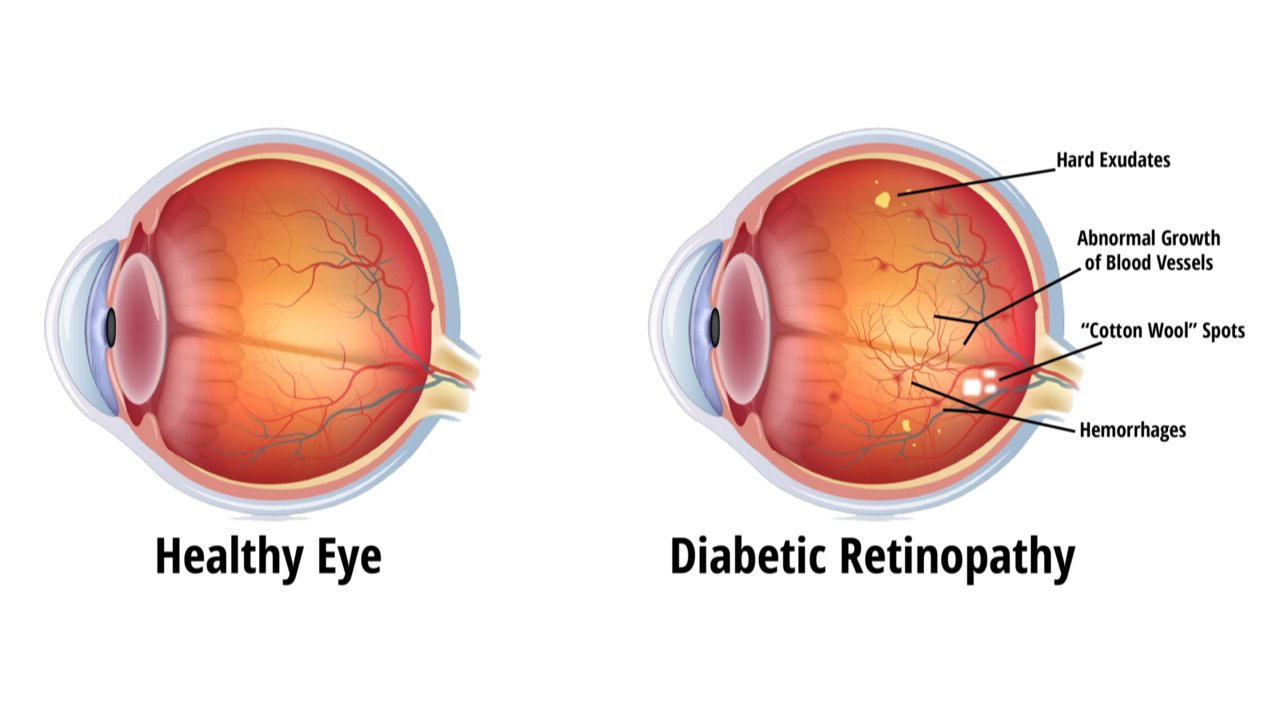
Diabetic retinopathy is a condition caused by damage to the tiny blood vessels that supply the retina, the light-sensitive tissue at the back of the eye responsible for sending visual information to the brain. High blood glucose levels gradually weaken these delicate vessels, causing them to leak fluid, bleed, or become blocked.
As the disease progresses, the eye attempts to compensate by growing new blood vessels. Unfortunately, these vessels are fragile and abnormal, making them prone to further bleeding and scarring that can permanently affect vision if left untreated.
Anyone living with Type 1 diabetes, Type 2 diabetes, or gestational diabetes can develop diabetic retinopathy. The likelihood generally increases with the duration of diabetes and with poor control of blood sugar, blood pressure, and cholesterol.
Why Diabetic Retinopathy Often Goes Undetected
One of the greatest challenges with diabetic retinopathy is that the condition usually causes no symptoms during its earliest stages. Vision may remain perfectly normal while changes are already occurring inside the retina. By the time noticeable symptoms appear, damage may already be significant enough to require more intensive treatment.
For this reason, organizations including the National Eye Institute and the American Academy of Ophthalmology recommend comprehensive dilated eye examinations for people with diabetes at least once each year. These examinations allow ophthalmologists to detect changes long before vision becomes affected, providing opportunities for earlier intervention and better long-term outcomes.
Symptoms to Watch For
Although early diabetic retinopathy often develops silently, symptoms may appear as the disease progresses. Common warning signs include blurred vision, fluctuating vision, floaters, dark spots, reduced color perception, difficulty seeing at night, and loss of peripheral vision. In advanced cases, bleeding inside the eye or retinal detachment may cause sudden or severe vision loss.
These symptoms do not always indicate diabetic retinopathy, but they do require prompt assessment by an ophthalmologist. Because many serious eye conditions share similar symptoms, early evaluation is essential whenever vision changes occur.
Understanding the Stages of the Disease
Diabetic retinopathy generally develops through two main phases. The first, known as non-proliferative diabetic retinopathy (NPDR), occurs when retinal blood vessels weaken and begin leaking small amounts of fluid or blood. Tiny bulges called microaneurysms may develop, and swelling within the retina can gradually affect vision.
The second phase, proliferative diabetic retinopathy (PDR), is more advanced. At this stage, oxygen deprivation causes the retina to grow abnormal new blood vessels. These fragile vessels bleed easily and may lead to scar tissue formation, retinal detachment, glaucoma, or permanent vision loss.
Some patients also develop diabetic macular edema (DME), a condition in which fluid accumulates within the macula, the central portion of the retina responsible for sharp, detailed vision. DME can occur during either stage of diabetic retinopathy and represents one of the leading causes of vision impairment among people with diabetes.
Managing Diabetes Helps Protect Vision
Although diabetic retinopathy cannot always be prevented completely, maintaining good overall diabetes control substantially reduces the risk of progression.
Healthcare providers commonly encourage patients to monitor HbA1c levels, maintain healthy blood pressure and cholesterol, follow prescribed medications, remain physically active, avoid smoking, and attend regular medical appointments.
These measures help protect blood vessels throughout the body while reducing stress on the retina. Eye health should therefore be viewed as part of comprehensive diabetes management rather than as an isolated concern.
Modern Treatment Options
Treatment depends largely on how advanced the disease has become. During the earliest stages, active treatment may not be necessary. Instead, ophthalmologists often recommend careful observation combined with improved diabetes management and more frequent eye examinations to monitor progression.
If diabetic retinopathy advances, several highly effective treatments are available. Anti-VEGF injections have become one of the most common therapies for diabetic macular edema and proliferative diabetic retinopathy. These medications help reduce abnormal blood vessel growth and leakage, preserving vision for many patients.
Laser therapy remains another valuable option. By sealing leaking blood vessels or reducing abnormal vessel growth, laser treatment can slow disease progression and lower the risk of severe vision loss.
In more advanced cases involving extensive bleeding or scar tissue, surgery known as vitrectomy may be recommended to remove blood from inside the eye and repair retinal damage.
While existing treatments cannot always restore vision that has already been lost, they can often prevent further deterioration when administered early enough. According to the National Eye Institute, early diagnosis and appropriate treatment can reduce the risk of severe vision loss by up to 95 percent.
Why Dilated Eye Exams Are So Important
Unlike a standard vision screening, a comprehensive dilated eye examination allows an ophthalmologist to view the retina in detail.
Special eye drops temporarily enlarge the pupil, making it possible to detect leaking blood vessels, retinal swelling, microaneurysms, and other subtle signs of diabetic eye disease before symptoms develop.
The examination is generally painless and takes only a short time, yet it remains one of the most effective methods of preventing diabetes-related blindness.
Even individuals whose vision appears perfectly normal should continue attending annual dilated examinations, since diabetic retinopathy frequently develops without obvious warning signs. Detecting the condition before vision changes occur gives patients access to monitoring and treatment while preserving the greatest amount of healthy vision.
The Value of Ongoing Ophthalmology Care
Managing diabetic eye disease involves much more than performing annual examinations. Successful long-term outcomes depend upon consistent monitoring, communication between healthcare providers, patient education, and timely intervention whenever retinal changes are identified.
Practices such as Clear Vision Ophthalmology emphasize this comprehensive approach by combining annual dilated eye examinations with patient education, routine follow-up systems, coordination with primary care physicians, and specialist referrals when necessary. Discussing factors such as HbA1c levels, fasting blood glucose, lifestyle habits, and overall diabetes management allows ophthalmologists to better understand each patient's individual risk profile while supporting preventative care alongside treatment.
This proactive model helps identify retinal changes early, when intervention is typically most effective and before permanent vision loss develops.
Next Steps
Diabetic retinopathy remains one of the most serious complications of diabetes, but it is also among the most manageable when detected early. Because the condition often develops without symptoms, annual dilated eye examinations play a vital role in protecting long-term vision.
Combined with good diabetes management, healthy lifestyle choices, and regular ophthalmology appointments, early detection gives patients the best opportunity to preserve their eyesight. Modern treatments continue to improve outcomes, but routine monitoring remains the most effective strategy for identifying diabetic retinopathy before irreversible vision loss occurs.
CLEAR VISION OPHTHALMOLOGY PLLC
City: Jackson Heights
Address: 79-10 34th Ave
Website: https://www.cveye.com/


Comments
Post a Comment