BLS vs CPR Certification: What’s the Difference and Which Training To Choose
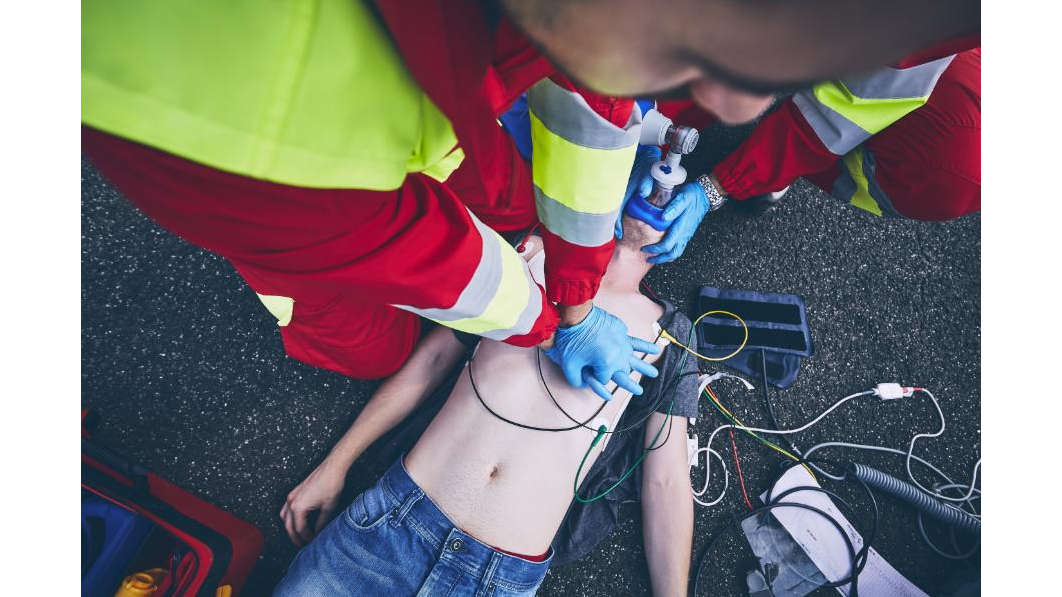
Most people assume CPR and BLS are the same thing—but that misunderstanding can lead to choosing the wrong type of training. In reality, while both are designed to save lives, they serve different purposes and audiences. According to the American Heart Association, immediate CPR can double or triple survival rates after cardiac arrest, making it one of the most critical skills anyone can learn. The question is: which certification actually fits your needs?
What CPR Really Covers
Cardiopulmonary resuscitation (CPR) is the foundation of emergency response. It focuses on keeping blood and oxygen circulating when someone’s heart has stopped, buying time until professional medical help arrives.
CPR training typically includes chest compressions, rescue breathing, and basic instruction on using an automated external defibrillator (AED). It also teaches how to recognize cardiac arrest quickly and respond without hesitation. The goal is simple: act fast and keep the person alive until emergency services take over.
This type of certification is designed for a broad audience. Teachers, parents, coaches, office workers, and fitness professionals often take CPR courses because emergencies don’t just happen in hospitals—they happen everywhere. The training is intentionally straightforward, making it accessible and practical for everyday situations. Many people begin with first aid or CPR certification to build these essential skills.
What Makes BLS Different
Basic Life Support (BLS) certification goes a step further. While it includes everything covered in CPR, it is designed for healthcare providers and first responders who may face more complex and high-pressure situations.
BLS training expands into areas such as advanced airway management, coordinated team response, and more structured use of AEDs. Participants learn how to perform life-saving techniques as part of a team, which is critical in clinical settings where multiple responders must work together efficiently.
Another key difference is the level of precision expected. In BLS courses, there is a stronger emphasis on technique, timing, and consistency. Small details—like compression depth, rate, and transitions between rescuers—are closely monitored and practiced until they become second nature. Those pursuing BLS certification often require this higher level of training for professional compliance.
The Real Differences That Matter
At a glance, CPR and BLS may look similar, but the differences become clear when you look at how they’re used in real life.
CPR is about immediate action. It gives individuals the confidence to step in during an emergency, even without a medical background. It’s designed to be simple, effective, and widely applicable.
BLS, on the other hand, is about coordinated response. It prepares professionals to handle emergencies in structured environments, often alongside other trained responders. It introduces more advanced concepts and requires a higher level of competency.
The audience is another major distinction. CPR is for anyone who wants to be prepared. BLS is typically required for nurses, paramedics, doctors, and other healthcare professionals. If your role involves patient care or emergency response, BLS certification is often non-negotiable.
Why Choosing the Right Certification Matters
Choosing between CPR and BLS isn’t just about checking a box—it directly impacts how prepared you are in a real emergency. If your training doesn’t match the situation you’re in, it can create hesitation or confusion when seconds matter most.
For someone working in a clinical environment, CPR alone may not provide enough depth. On the other hand, for someone outside healthcare, BLS may be more detailed than necessary. The key is aligning your training with your responsibilities and the environments you’re likely to encounter.
There’s also a growing awareness around the importance of life-saving skills in everyday life. Workplaces, schools, and community organizations are increasingly encouraging certification, recognizing that trained individuals can make a measurable difference before emergency services arrive.
The Bigger Picture: Preparedness Saves Lives
At its core, the difference between BLS and CPR comes down to preparedness. Both certifications are valuable, and both contribute to better outcomes during emergencies. The real advantage comes from having the right level of training for your role.
Training providers such as LP Health Directions in Phoenix, Arizona, offer both BLS and CPR certification courses, helping individuals choose the right level of training based on their roles and responsibilities.
In situations like cardiac arrest, respiratory failure, or choking, immediate action can mean the difference between life and death. Whether that action comes from a trained professional or a bystander with CPR knowledge, the impact is undeniable. Understanding the distinction between BLS and CPR helps you make a more informed decision—and ensures you’re ready to respond when it matters most.
LP Health Directions
City: Phoenix
Address: 29 West Thomas Rd. #201
Website: https://www.lphealthdirections.com/
Phone: +1 602 654 1323


Comments
Post a Comment