Youth Baseball Arm Pain: What Pitch Counts Don't Cover and What Parents Can Do
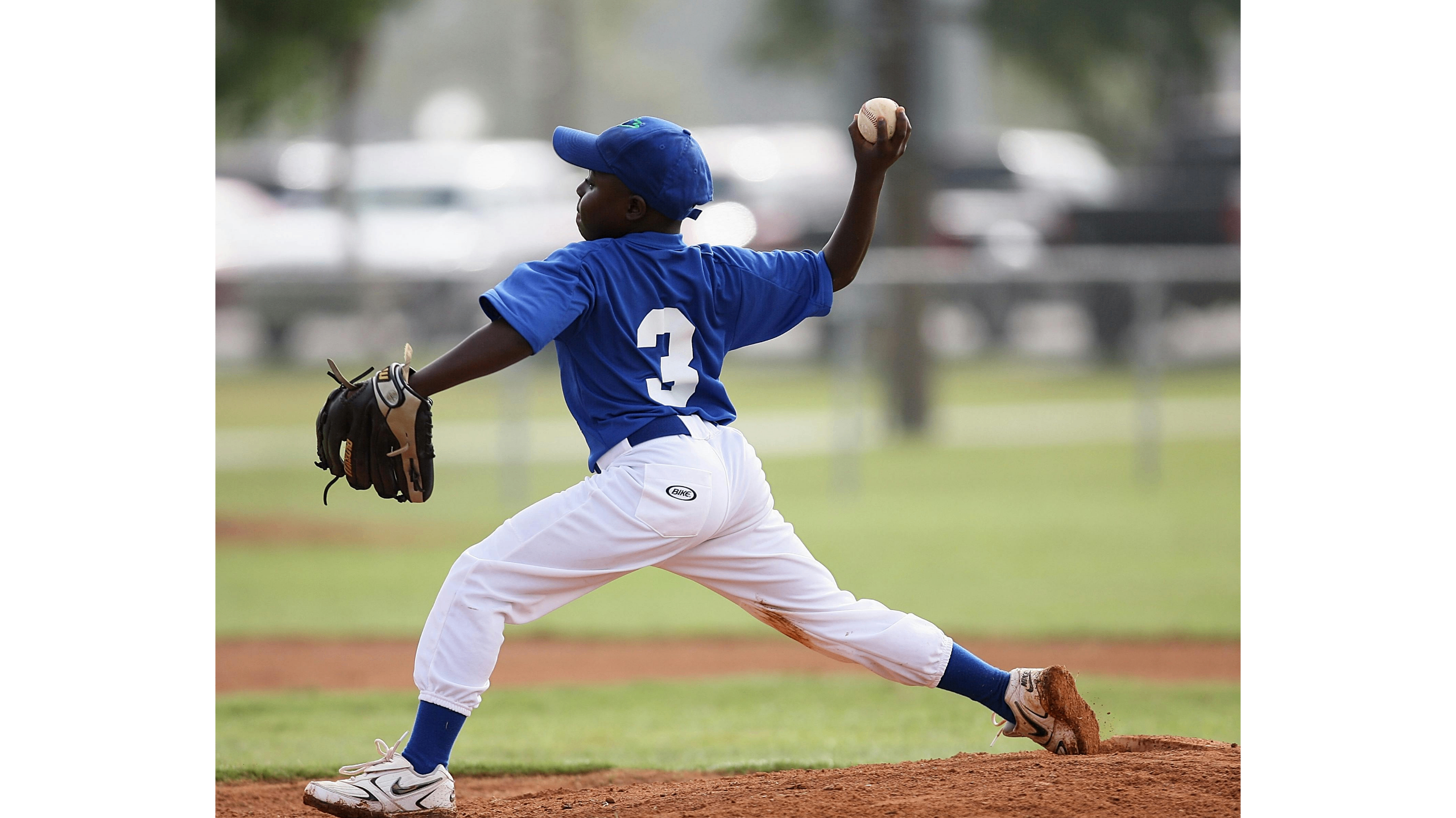
Many parents believe that carefully following pitch count rules and mandatory rest days should fully protect young baseball pitchers from arm pain or overuse injuries. Yet across youth softball and baseball, families still encounter situations where a player’s arm feels sore, fatigued, weak, or “off” even when official guidelines appear to have been followed correctly.
This disconnect has become an increasing concern as travel baseball, private coaching, showcases, and year-round competition continue expanding. While pitch counts remain an important part of injury prevention, sports medicine experts increasingly recognize that they only measure part of a pitcher’s total workload.
Research from the American Sports Medicine Institute suggests that young pitchers who throw with fatigue are 36 times more likely to suffer a serious shoulder or elbow injury, making it the number one risk of injury for year-round play. Fatigue itself often develops gradually and may not always correspond directly with pitch totals.
Why Pitch Counts Alone Do Not Tell the Full Story
Pitch counts are designed to limit excessive throwing volume during games, but they cannot fully account for cumulative workload throughout a player’s week or season. Many young athletes throw extensively outside official games through bullpen sessions, lessons, warmups, showcases, long toss programs, school practices, and recreational throwing.
This “workload stacking” can quietly increase stress on the arm even when individual coaches comply with pitch count recommendations. A pitcher may technically remain within safe game limits while still accumulating significant fatigue from overlapping baseball activities.
Travel baseball schedules can make this particularly difficult for parents to monitor. Different coaches may only see part of the athlete’s overall workload, leaving families responsible for tracking the bigger picture across multiple teams and training environments.
Early Warning Signs Parents Often Miss
Arm injuries rarely appear without warning. More commonly, young pitchers show subtle physical or behavioral changes before more serious pain develops. Parents sometimes mistake these signs for temporary soreness or inconsistency rather than indicators of mounting fatigue.
Common warning signs may include:
- Reduced throwing velocity
- Difficulty locating pitches
- Increased recovery time after outings
- Complaints of heaviness or tightness
- Changes in throwing mechanics
- Hesitation while throwing
- General arm soreness that persists beyond normal recovery
In some cases, players stop throwing aggressively because the arm no longer feels stable or explosive. Younger athletes may struggle to describe this sensation clearly, instead saying their arm feels “dead,” “weird,” or “off.”
These patterns matter because fatigue changes movement quality. As mechanics deteriorate, stress on the elbow and shoulder often increases.
Why Recovery Matters as Much as Rest
Rest days alone do not always guarantee adequate recovery. Sleep quality, hydration, strength development, nutrition, stress, and previous throwing intensity all influence how well a pitcher’s arm recovers between outings.
Two players may throw the same number of pitches, but respond very differently depending on conditioning levels and overall workload exposure. This is one reason some pitchers experience persistent soreness despite technically following standard guidelines.
Experts increasingly encourage families to evaluate overall readiness rather than relying solely on numerical pitch limits.
How Parents Can Better Assess Arm Health
Pitch counts are useful and should still be followed carefully, particularly for younger athletes. However, many families now combine pitch monitoring with additional methods that help assess fatigue and recovery more comprehensively.
Some parents track throwing frequency across all baseball activities rather than games alone. Others monitor recovery markers such as soreness duration, velocity consistency, mobility, and confidence while throwing.
The Growing Shift in Youth Baseball
As youth baseball gains in popularity, many coaches, trainers, and sports medicine professionals are encouraging a more complete view of arm care that extends beyond pitch counts alone. Monitoring workload patterns, recovery quality, movement changes, and early fatigue signals may help families make better-informed decisions throughout the season.
For parents, the challenge is often less about ignoring safety recommendations and more about recognizing that arm health involves multiple factors working together. Pitch counts remain an important tool — but they work best alongside a broader awareness of how a pitcher's arm is actually responding day to day, not just pitch to pitch.
VeloRESET
City: Fresno
Address: 8930 North 6th Street
Website: https://www.veloreset.com/


Comments
Post a Comment