Telehealth vs Telemedicine: The Full System Behind Remote Healthcare Services
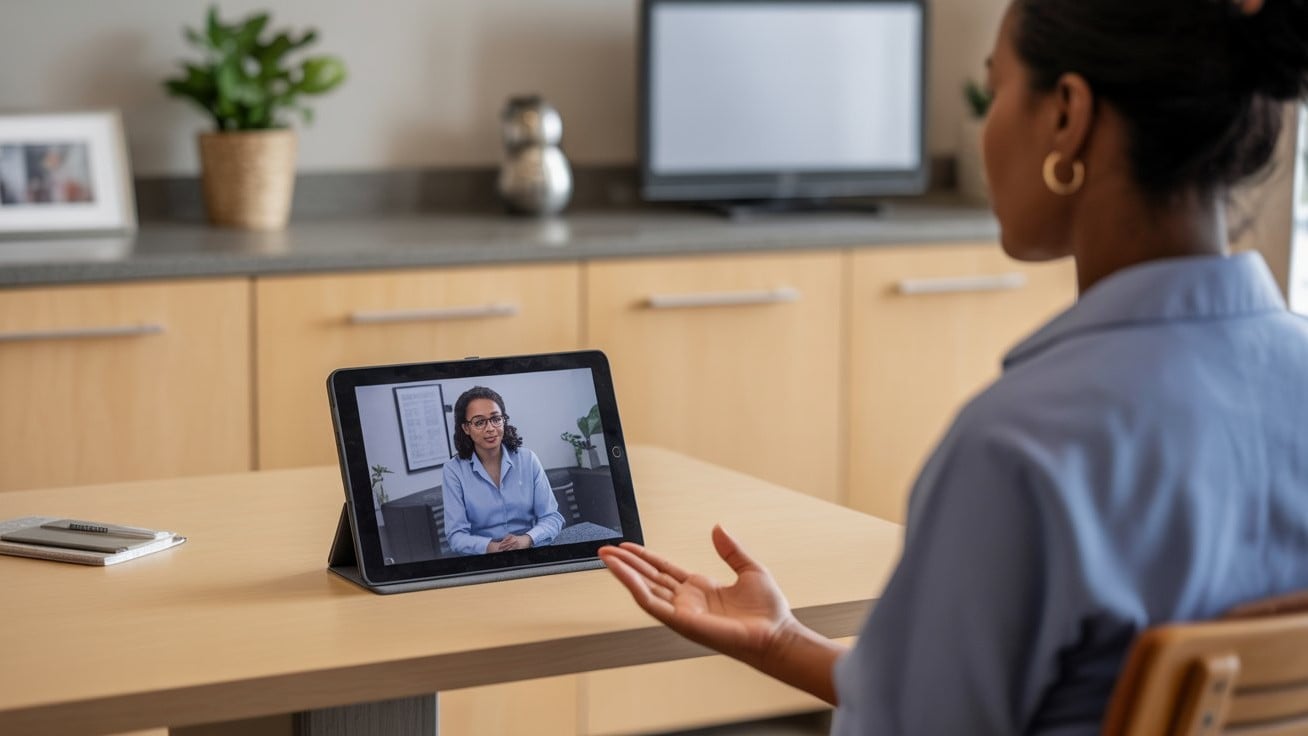
The terms telehealth and telemedicine are frequently used interchangeably, but they do not mean the same thing. The distinction matters, not just for accuracy, but for understanding what services are available, who provides them, and how they fit into a broader healthcare strategy.
Defining Telemedicine
Telemedicine refers specifically to the remote delivery of clinical services by licensed medical professionals. This includes video consultations with a physician, remote diagnosis, prescription of medication, and follow-up care for ongoing conditions. The defining characteristic of telemedicine is that it involves a direct clinical interaction between a patient and a healthcare provider, such as a doctor, nurse practitioner, or specialist, conducted through a digital platform rather than in person.
Telemedicine has been in use since the 1960s, when it was first deployed to connect patients in rural or underserved areas with specialists in urban centers. The model has since expanded significantly, accelerated in particular by the COVID-19 pandemic, which forced healthcare systems worldwide to rapidly adopt remote care protocols.
Common telemedicine applications include urgent care consultations for non-emergency illnesses, management of chronic conditions such as diabetes or hypertension, dermatology assessments via image submission, and mental health therapy sessions conducted over video.
Defining Telehealth
Telehealth is a broader term that encompasses telemedicine but extends well beyond it. It refers to the full spectrum of technology-enabled health services, which includes not only clinical care but also health education, administrative functions, remote patient monitoring, and public health initiatives.
A patient receiving a follow-up video call from a physician is using telemedicine. A patient using a wearable device that transmits heart rate data to a care team, attending an online health literacy workshop, or accessing a nurse advice line is using telehealth, but not necessarily telemedicine.
In practical terms, telehealth is the infrastructure and ecosystem; telemedicine is one of the services delivered within it. Health systems, insurers, employers, and government agencies all operate within the telehealth framework when they use technology to extend the reach of healthcare beyond physical facilities.
Why the Distinction Matters
The difference between the two terms carries real implications across several areas.
- Regulation and licensing: Telemedicine, because it involves clinical diagnosis and prescription, is subject to strict medical licensing requirements that vary by jurisdiction. A physician providing telemedicine services must typically be licensed in the state or country where the patient is located. Telehealth services that are non-clinical, such as health coaching or wellness programs, are not subject to the same regulatory framework.
- Insurance and reimbursement: Coverage policies differ depending on whether a service is classified as telemedicine or a broader telehealth service. Experts from Telehealth For Less highlight that clinical telemedicine visits are more likely to be reimbursable under standard health insurance or government programs, while non-clinical telehealth services may not be covered at all.
- Employer benefit planning: Organizations evaluating remote health solutions for their workforce need to understand what they are actually purchasing. A plan marketed as a telehealth benefit may include clinical telemedicine access, wellness resources, mental health support, and remote monitoring tools, or it may include only some of these. Understanding the distinction allows decision-makers to assess coverage accurately and avoid gaps.
- Patient expectations: When patients understand what telemedicine can and cannot do, they are better positioned to use it appropriately, seeking in-person care when a physical examination is necessary, and using remote options for conditions that genuinely lend themselves to virtual assessment.
The Bottom Line
Telemedicine is a subset of telehealth, focused exclusively on clinical care delivered remotely by licensed providers. Telehealth is the wider category that includes telemedicine alongside a range of non-clinical, technology-enabled health services. As remote care continues to evolve, using these terms precisely helps patients, employers, and providers communicate more clearly and make better decisions about how healthcare is accessed, delivered, and evaluated.
Telehealth for Less
City: Sea Girt
Address: 2150 NJ-35
Website: https://telehealthforless.com
Phone: +1 732 716 2233
Email: scott.hall@betteronlineinfo.com


Comments
Post a Comment