Kiosk Advertising: What Is It, Applications & Modern Tech Solutions
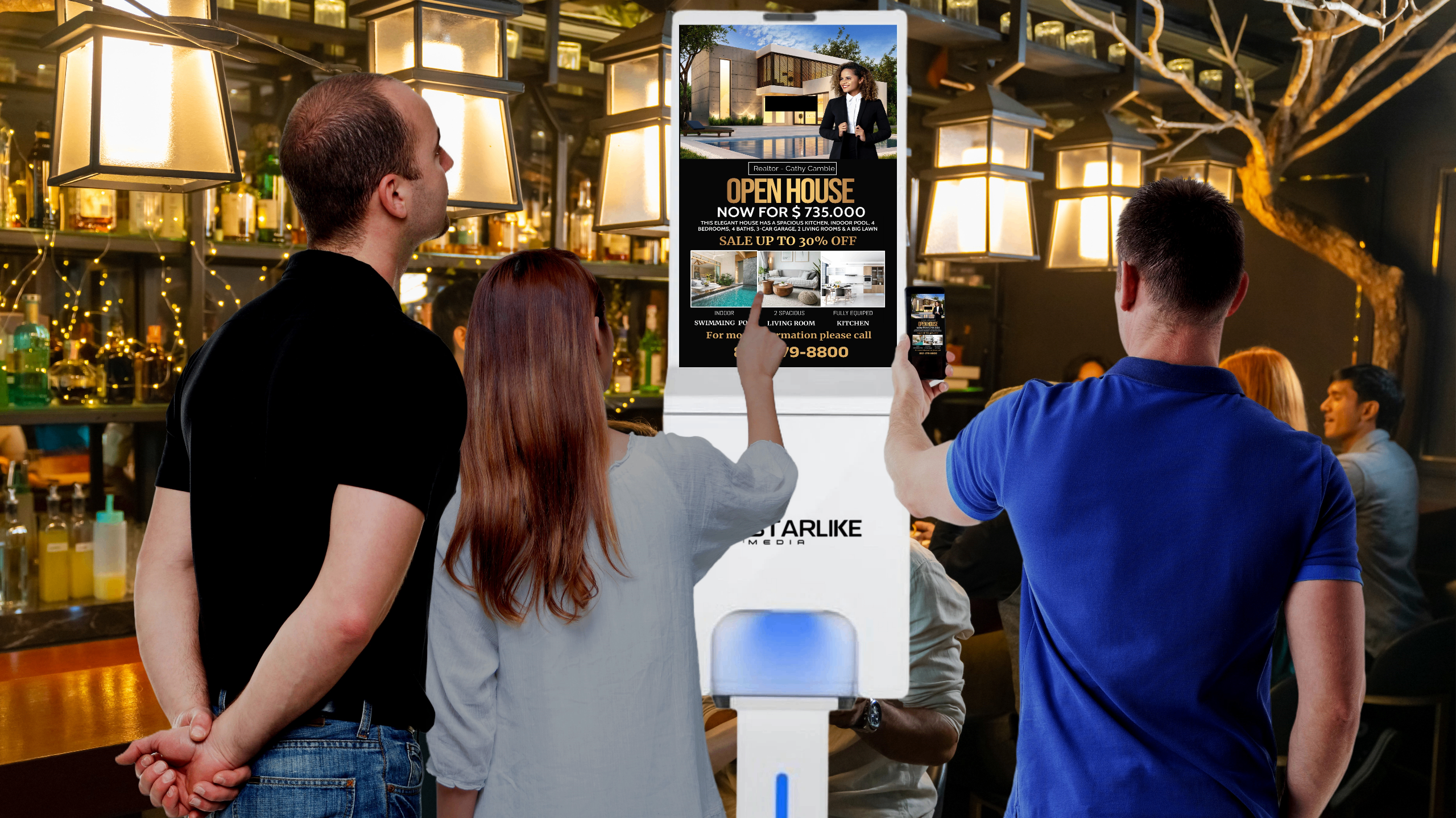
Key Takeaways
- Kiosk advertising combines interactive technology with strategic placement to create engaging customer touchpoints that drive higher satisfaction rates and up to 30% increases in average order size
- Unlike traditional digital signage, kiosks offer two-way interaction, automated transactions, and real-time data collection capabilities
- Businesses implementing kiosk marketing report 20-30% revenue increases through reduced labor costs, improved upselling, and streamlined operational efficiency
- Modern kiosks use AI personalization and touchless interfaces to meet evolving consumer expectations for convenience and safety
- Strategic kiosk deployment across retail environments creates competitive advantages through improved customer experiences and streamlined operations
Retail marketing continues evolving, yet many businesses overlook one of the most effective customer engagement tools available today. Kiosk advertising represents a powerful intersection of technology and customer service that transforms routine transactions into memorable brand experiences. This interactive marketing channel delivers measurable results while addressing modern consumer demands for convenience, personalization, and control over their shopping journey.
Interactive Kiosks Drive Up to 25% Higher Customer Satisfaction
Interactive kiosks revolutionize customer experiences by delivering immediate access to information and services without traditional wait times. Research shows that 73% of customers prefer self-service options for simple tasks, highlighting a fundamental shift in consumer behavior toward autonomous shopping experiences.
The satisfaction boost comes from eliminating common retail friction points. Customers appreciate the ability to browse product information, compare options, and complete purchases at their own pace. This autonomy creates a sense of control that traditional assisted shopping often lacks. Modern tablet kiosk solutions improve this experience further by providing intuitive interfaces that guide customers seamlessly through their desired actions.
Beyond convenience, interactive kiosks reduce the anxiety associated with high-pressure sales environments. Customers can examine products thoroughly, read detailed specifications, and make informed decisions without feeling rushed. This relaxed shopping environment naturally leads to higher satisfaction scores and increased likelihood of future visits.
What Makes Kiosk Marketing Different from Digital Signage
While digital signage broadcasts messages to passive audiences, kiosk marketing creates conversations between brands and customers. This fundamental difference transforms marketing from a one-way communication channel into an interactive engagement platform that responds to individual customer needs.
1. Two-Way Customer Interaction
Traditional digital signage displays static or rotating content regardless of who's viewing. Kiosk marketing responds to customer inputs, creating personalized experiences based on selections, preferences, and browsing behavior. Customers can ask questions, request specific information, and receive tailored recommendations that match their exact needs. This interactive element builds stronger connections between customers and brands while providing valuable insights into customer preferences and decision-making processes.
2. Automated Transaction Capabilities
Kiosks handle complete sales transactions from product selection through payment processing, eliminating the need for staff intervention in routine purchases. This capability extends beyond simple vending to include complex configurations, customizations, and multi-item orders. Payment integration supports various methods including contactless options, making transactions faster and more convenient than traditional checkout processes.
3. Real-Time Data Collection
Every kiosk interaction generates valuable customer data that digital signage cannot provide. This includes browsing patterns, popular products, peak usage times, and customer demographic information. Retailers can analyze this data to optimize inventory, adjust pricing strategies, and refine marketing messages. The real-time nature of this data collection enables immediate adjustments to promotional campaigns and product positioning.
The Business Case: 20-30% Revenue Increases
The financial impact of kiosk marketing extends beyond simple transaction volume increases. Successful implementations create multiple revenue streams while reducing operational costs, resulting in substantial return on investment for forward-thinking retailers.
Reduced Labor Costs Through Automation
Kiosks handle routine customer service tasks that previously required staff time, allowing employees to focus on higher-value activities like complex problem-solving and relationship building. Studies on full-service kiosk networks demonstrate this benefit by showing reduced average transaction time by over 40 seconds while maintaining service quality. This efficiency gain allows businesses to serve more customers with existing staff levels or reduce staffing needs during peak periods without compromising customer experience.
Upselling Opportunities Drive Higher Transaction Values
Retailers using self-service kiosks report 15-20% increases in average transaction size through strategic upselling prompts. Unlike human sales associates who may forget to mention add-ons or feel awkward suggesting upgrades, kiosks consistently present relevant complementary products and upgrade options. These suggestions appear at optimal moments in the customer journey, such as after selecting a main item but before finalizing payment, maximizing acceptance rates.
Operational Efficiency Gains
Kiosks operate continuously without breaks, sick days, or training requirements, providing consistent service levels regardless of staffing challenges. Remote content management ensures promotions and information remain current across multiple locations without requiring individual site visits. This scalability particularly benefits multi-location retailers who can deploy marketing campaigns instantly across their entire network while maintaining brand consistency.
Proven Kiosk Applications Across Retail Environments
Successful kiosk implementations vary widely across retail segments, each addressing specific customer needs while creating unique competitive advantages. Understanding these applications helps retailers identify opportunities within their own environments.
1. Self-Service Checkout and Product Information
IKEA's UPPTÄCKA self-service kiosks exemplify effective retail automation by combining product information with streamlined checkout processes. Customers can scan items, access detailed assembly instructions, and complete purchases without staff assistance. This approach reduces queue times during peak hours while empowering customers with product knowledge. The kiosks also suggest complementary items and accessories, increasing basket size through intelligent recommendations.
2. Interactive Mall Directories and Wayfinding
Interactive mall directories and wayfinding kiosks transform navigation from a frustrating experience into an engaging brand touchpoint. These kiosks provide maps, store directories, and event information while promoting special offers from participating retailers. The integration of real-time data ensures accuracy while creating opportunities for location-based marketing that drives foot traffic to specific areas.
3. Virtual Try-On Experiences
Sephora's Virtual Artist kiosks revolutionize beauty retail by allowing customers to experiment with makeup looks without touching physical products. Using facial recognition technology, the kiosks overlay virtual makeup onto customers' faces, enabling risk-free experimentation with colors and styles. This innovation helps customers discover new products they might not have considered.
4. Table Kiosks with Extra Features Like a Hand Sanitizer Dispenser
Restaurant table kiosks integrate ordering, payment, and hygiene features to create dining solutions. These units allow customers to browse menus, customize orders, and pay directly at their table while providing convenient access to hand sanitizer. McDonald's self-order kiosks demonstrate the effectiveness of this approach, leading to 6% overall sales increases while reducing transaction times. The combination of convenience features addresses multiple customer needs within a single touchpoint.
Technology Trends Reshaping Kiosk Marketing
Emerging technologies continue expanding kiosk capabilities while addressing evolving customer expectations for personalization and safety. These innovations position kiosks as increasingly sophisticated marketing platforms rather than simple transaction terminals.
AI-Powered Personalization
Artificial intelligence integration enables kiosks to deliver highly personalized experiences based on customer behavior, purchase history, and real-time preferences. Advanced skin analysis kiosks in beauty retail exemplify this trend by using technology to recommend skincare products tailored to individual skin conditions. These data-driven approaches increase customer confidence in purchases while reducing returns due to unsuitable products.
Touchless Interface Solutions
Touchless kiosk interfaces address hygiene concerns while improving accessibility for customers with mobility limitations. Gesture control and voice command technologies enable full kiosk functionality without physical contact, meeting post-pandemic expectations for safe retail interactions. These interfaces also support multiple languages and accessibility features, expanding the customer base that can effectively use kiosk services. The technology continues evolving to include eye-tracking and proximity sensors for even more intuitive interactions.
Kiosk Marketing Can Give a Business a Unique Advantage
Strategic kiosk deployment creates sustainable competitive advantages that extend beyond immediate sales impacts. The global interactive kiosk market's projected growth rate of around 7.2% to 10.3% annually through 2030 indicates widespread recognition of these benefits across industries.
Forward-thinking retailers gain first-mover advantages by implementing kiosk solutions before competitors recognize their value. Early adopters establish customer expectations for convenience and personalization that create switching costs for competitors attempting to match these experiences. The data collected through kiosk interactions provides ongoing insights that inform product development, inventory management, and marketing strategies.
All The Buzz Media
City: Sheridan
Address: 30 North Gould Street
Website: https://www.allthebuzzmedia.com/


Comments
Post a Comment