Iron Manganese Oxidation Filtration | East Anglia Water Treatment Specialist
Key Takeaways
- Iron and manganese contamination causes brown discolouration, metallic tastes, and appliance damage in East Anglia well water systems
- Birm media oxidation filtration systems remove these minerals without ongoing chemical costs, while manganese greensand systems, though highly effective, require periodic regeneration with potassium permanganate
- East Anglia's geological formations naturally contain high levels of iron and manganese that dissolve into groundwater supplies
- UK regulations require private well owners to reduce iron and manganese levels below prescribed limits for wholesome water
- Professional treatment systems prevent UV disinfection interference and protect expensive household appliances from mineral deposits
East Anglia's unique geological conditions create widespread iron and manganese contamination in private well and borehole water supplies. These naturally occurring minerals transform crystal-clear groundwater into unsightly brown liquid that stains fixtures, damages appliances, and produces unpalatable metallic tastes. Understanding how modern oxidation filtration systems work helps property owners choose effective, long-term solutions for clean, safe water.
Iron and Manganese Turn East Anglia Well Water Brown
The distinctive brown or black discolouration affecting many East Anglia private water supplies stems from dissolved iron and manganese minerals naturally present in local groundwater. These metals remain invisible whilst dissolved in oxygen-free underground aquifers, but immediately precipitate into visible particles when exposed to air during pumping operations.
Iron concentrations above 0.2 mg/L create rust-coloured staining on sanitaryware, whilst manganese levels exceeding 0.05 mg/L produce black deposits throughout plumbing systems. The metallic taste becomes particularly noticeable when iron levels reach 0.3 mg/L, making water unpalatable for drinking or cooking purposes.
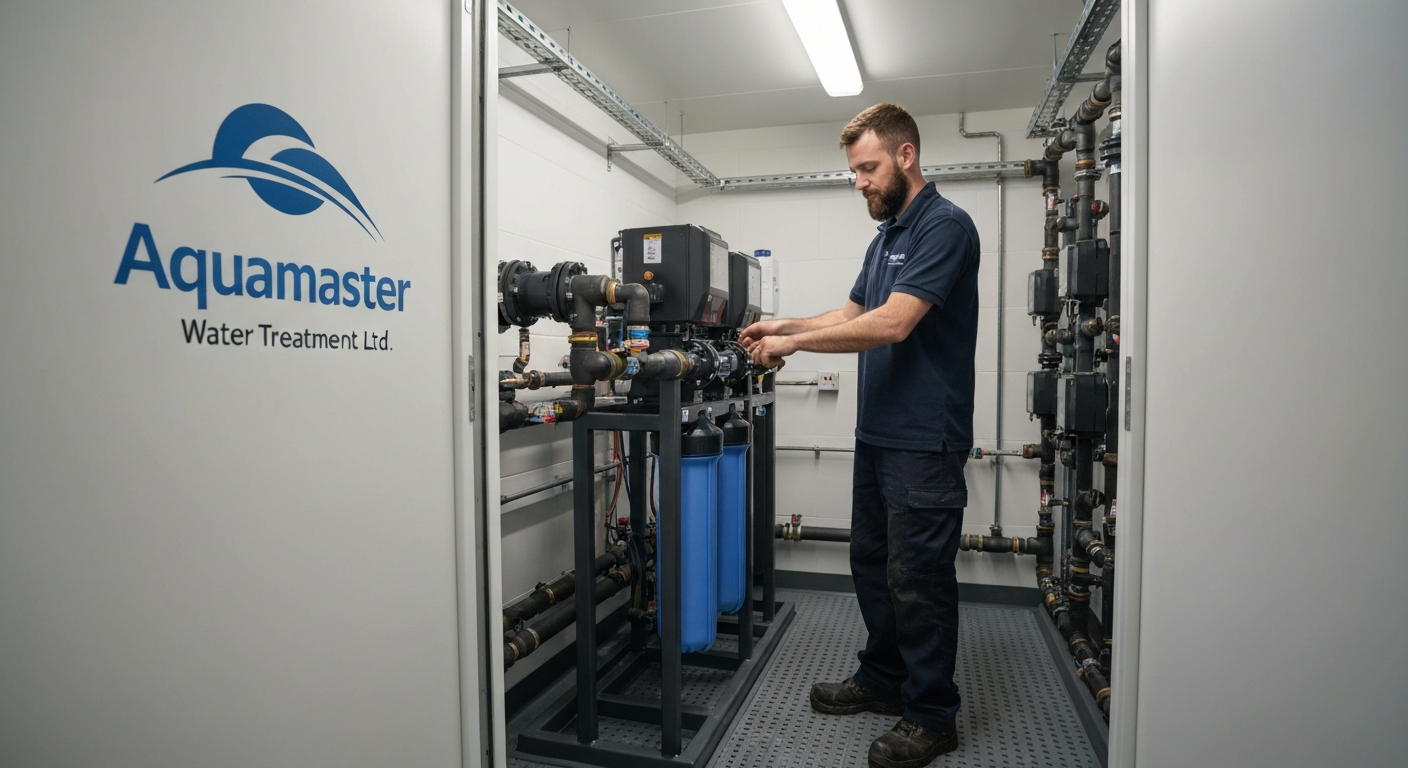
Beyond aesthetic concerns, these minerals accumulate as sludge deposits within pipes and tanks, gradually restricting water flow and creating expensive blockages. Aquamaster Water Treatment Ltd specialises in addressing these contamination challenges throughout East Anglia, having observed consistent mineral patterns across the region's diverse geological formations.
How Oxidation Filtration Systems Work
Oxidation filtration transforms dissolved iron and manganese into filterable particles through controlled chemical reactions. The process introduces oxygen or oxidising agents that convert soluble metal ions into insoluble compounds, which specialised filter media then capture and remove from the water supply.
Modern oxidation systems operate automatically, monitoring water flow and adjusting treatment intensity based on contamination levels. Air injection systems prove most cost-effective for moderate contamination, whilst chemical oxidation handles severe mineral concentrations that exceed natural oxidation capacity.
1. Birm Media Removes Iron Without Chemical Regeneration
Birm filtration media contains an insoluble catalyst that facilitates iron and manganese oxidation without requiring chemical regenerants. This granular material accelerates the natural oxidation process, converting dissolved metals into filterable particles that physical filtration then removes.
The system operates most effectively with water pH levels above 6.8 and dissolved oxygen concentrations exceeding 15% of the iron content. Birm media requires only periodic backwashing to remove accumulated precipitates, making it a low-maintenance solution for properties with suitable water chemistry conditions.
However, Birm proves ineffective in water containing organic matter or hydrogen sulphide, which interferes with the catalytic oxidation process. Pre-treatment may be necessary to address these conditions before Birm filtration becomes viable.
2. Manganese Greensand Handles Higher Contamination Levels
Manganese greensand utilises a catalytic manganese dioxide coating to oxidise dissolved iron, manganese, and hydrogen sulphide even at high contamination concentrations. This proven technology effectively removes metals that exceed Birm media capabilities whilst handling additional contaminants simultaneously.
Unlike Birm systems, manganese greensand requires periodic regeneration with potassium permanganate solution to restore its oxidative capacity. The regeneration process typically occurs weekly or monthly, depending on contamination levels and water usage patterns.
This media proves particularly valuable for East Anglia properties experiencing severe contamination or complex water chemistry issues. The higher operating costs are offset by superior contaminant removal capabilities and broader compatibility with varying water conditions.
Why East Anglia Groundwater Contains These Minerals
East Anglia's geological formations naturally contain iron and manganese deposits that dissolve into groundwater as rainwater permeates through soil and rock layers. The region's chalk aquifers and sedimentary deposits create ideal conditions for mineral dissolution, particularly in areas where groundwater remains oxygen-depleted for extended periods.
Iron-bearing minerals within local rock formations gradually dissolve under reducing conditions commonly found in deep aquifers. Manganese follows similar dissolution patterns, often occurring alongside iron contamination throughout the region's groundwater systems.
North Norfolk exemplifies these conditions, where iron and manganese exist in soluble forms within the chalk aquifer until exposure to oxygen during pumping operations causes immediate precipitation. This natural process explains why contamination levels vary significantly between neighbouring properties, depending on local geological conditions and aquifer depth.
Problems Beyond Brown Water You're Experiencing
Iron and manganese contamination create multiple problems that extend far beyond unsightly discolouration. These minerals interfere with household systems, damage expensive appliances, and compromise other water treatment technologies needed for safe private water supplies.
Metallic Tastes Make Water Unpalatable
Iron concentrations above 0.3 mg/L produce distinctive metallic tastes that make water unpleasant for drinking, cooking, or food preparation. The taste intensifies when iron levels exceed 1.0 mg/L, often accompanied by astringent sensations that discourage consumption.
Manganese contributes bitter, medicinal flavours even at lower concentrations, particularly noticeable in hot beverages where mineral solubility increases. These taste problems persist despite boiling or other basic treatment methods, requiring proper mineral removal for palatability restoration.
Appliance Damage from Iron Deposits
Iron deposits accumulate within washing machines, dishwashers, and water heaters, reducing efficiency and causing premature component failures. Heating elements become coated with mineral scale, increasing energy consumption whilst reducing heat transfer effectiveness.
Washing machines suffer particular damage as iron deposits combine with detergents to form stubborn stains on fabrics. Dishwashers experience spray arm blockages and pump damage from accumulated iron sludge, leading to expensive repair or replacement requirements.
Hot water cylinders develop thick iron sediment layers that reduce capacity and create ideal conditions for bacterial growth. These deposits prove difficult to remove once established, often requiring complete system replacement in severe cases.
UV System Interference Compromises Disinfection
Iron and manganese particles interfere with ultraviolet disinfection systems by absorbing UV light before it can eliminate harmful bacteria and viruses. Even minimal iron concentrations above 0.1 mg/L significantly reduce UV system effectiveness, creating potential health risks.
The minerals coat UV lamp sleeves, requiring frequent cleaning to maintain adequate light transmission. Manganese proves particularly problematic, forming stubborn deposits that resist standard cleaning procedures and necessitate professional maintenance.
Combined iron and manganese contamination can completely neutralise UV disinfection capabilities, leaving private water supplies vulnerable to bacterial contamination despite apparent system operation. Pre-treatment mineral removal becomes needed for reliable UV performance.
UK Regulations Require Iron and Manganese Removal
The Private Water Supplies Regulations 2016 mandate that private water supply owners ensure their water meets wholesome standards, including specific limits for iron and manganese concentrations. These regulations place legal responsibility on property owners to address contamination that exceeds prescribed thresholds.
Iron concentrations must remain below 200 micrograms per litre (0.2 mg/L), whilst manganese levels cannot exceed 50 micrograms per litre (0.05 mg/L) for water to meet regulatory standards. Local authorities conduct periodic testing to monitor compliance, with enforcement action possible for persistent violations.
The regulations recognise that iron and manganese removal protects both public health and water supply infrastructure. Compliance ensures water remains safe for consumption whilst preventing the aesthetic and technical problems associated with mineral contamination.
Aquamaster Delivers Proven East Anglia Solutions
With 49 years of experience serving UK private water users, Aquamaster Water Treatment Ltd understands the specific contamination patterns affecting East Anglia groundwater supplies. Their oxidation filtration systems address the region's unique geological challenges through proven technologies tailored to local conditions.
The company's treatment approach combines detailed water analysis with appropriate technology selection, ensuring systems effectively address specific contamination levels and water chemistry conditions. Professional installation and ongoing maintenance support guarantee long-term performance and regulatory compliance.
Case studies throughout East Anglia demonstrate consistent success in restoring crystal-clear, pleasant-tasting water through properly designed oxidation filtration systems. These installations protect valuable appliances, eliminate staining problems, and ensure UV disinfection systems operate at peak effectiveness.
For well water treatment solutions throughout East Anglia, contact Aquamaster Water Treatment Ltd to discuss iron and manganese removal options for your private water supply.
Aquamaster Water Treatment Ltd
City: March
Address: 8 The Paddocks
Website: https://www.aquamasterwater.co.uk
Comments
Post a Comment