How to Remove Construction Debris: Bakersfield Expert Shares Safety Tips
Key Takeaways:
- OSHA mandates clear work areas and proper debris removal protocols, including enclosed chutes for materials dropped more than 20 feet
- Essential PPE for concrete demolition includes hard hats, safety goggles, steel-toed boots, and dust masks to protect against flying debris and harmful particles
- Professional debris removal eliminates hidden costs while ensuring compliance with Bakersfield's specific disposal requirements
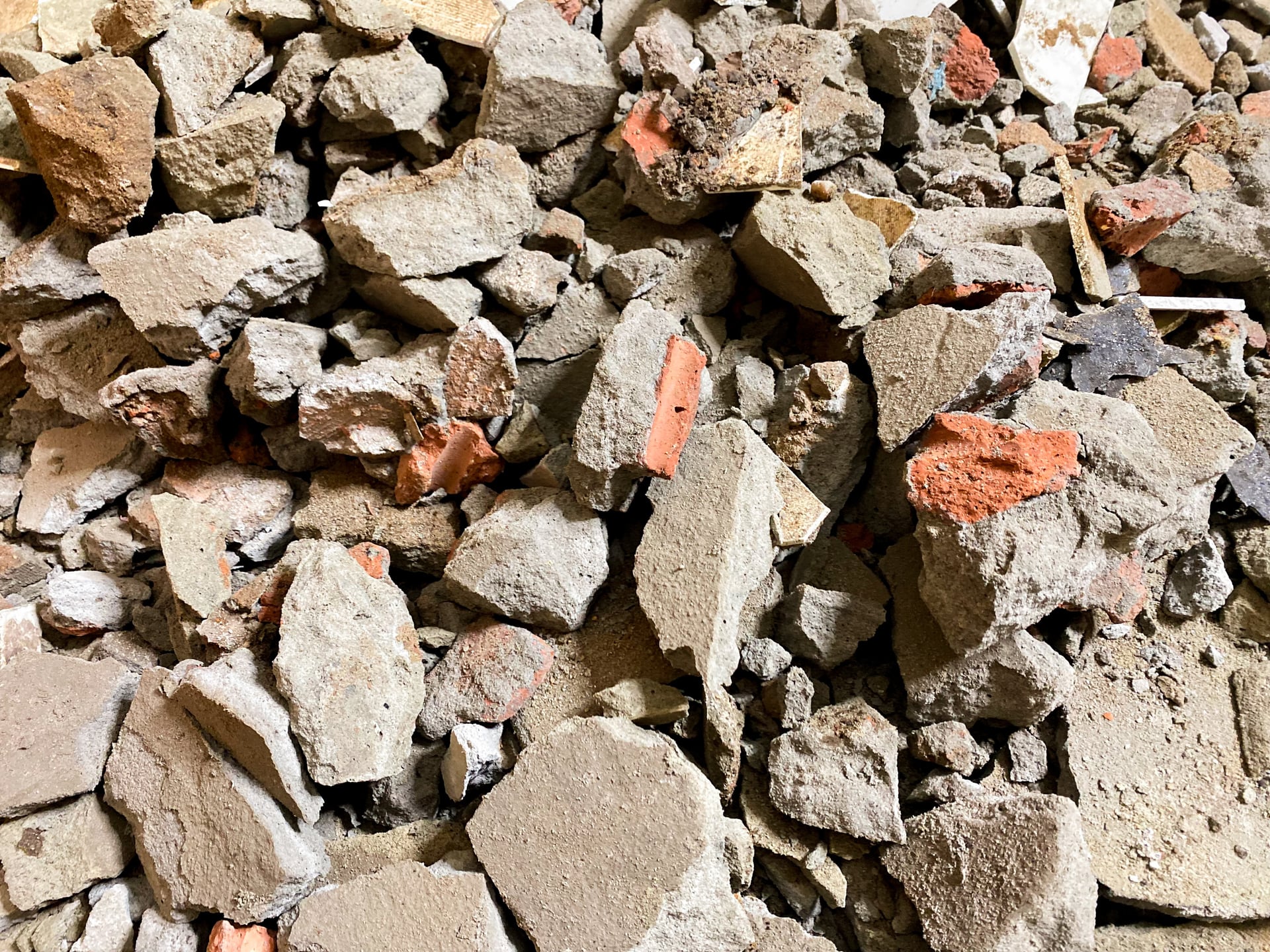
- Over 455 million tons of construction and demolition debris were recovered for reuse in the United States in 2018, with concrete and aggregate materials typically accounting for 60% to 70% of total C&D waste volume
Construction sites generate enormous amounts of debris, and improper handling can lead to serious safety violations, costly delays, and environmental damage. "For contractors, understanding proper debris removal protocols protects workers, maintains compliance, and maximizes project profitability," says a spokesperson for Junk King Bakersfield, a commercial debris removal expert, who is sharing their expertise in how to properly clean out a site.
OSHA Requires Clear Work Areas
The Occupational Safety and Health Administration (OSHA) maintains strict standards for construction site cleanliness that go far beyond basic tidiness. Work areas, passageways, and stairs must remain clear of debris at all times, including scrap lumber with protruding nails that pose puncture risks. Regular removal of combustible materials is mandatory to prevent fire hazards.
Materials dropped more than 20 feet outside a building's exterior walls require enclosed chutes to protect workers below. Areas where debris falls through floor holes must be enclosed with barricades to prevent accidents. These regulations exist because cluttered construction sites become breeding grounds for accidents—workers trip over debris, and heavy machinery faces obstructions that can cause serious injuries.
Essential PPE for Concrete Demolition
Concrete demolition creates unique hazards that require specialized protective equipment beyond standard construction PPE. The combination of heavy materials, flying debris, and hazardous dust demands protection strategies.
Protective Equipment for Flying Debris
Hard hats, safety goggles, and hearing protection form the foundation of concrete demolition safety. Steel-toed boots protect feet from falling chunks, while sturdy work gloves provide grip and hand protection. These items serve as barriers against projectiles that can cause permanent injuries.
The force generated during concrete breaking creates high-velocity fragments that can travel significant distances. Standard safety glasses won't suffice; wraparound safety goggles provide necessary side protection. Hearing protection becomes critical as concrete breaking often exceeds safe decibel levels for extended periods.
Dust Suppression and Control Methods
Concrete dust contains silica particles that pose serious respiratory risks, making dust masks or respirators non-negotiable during demolition work. Controlling airborne particles requires active suppression methods, typically achieved through water spraying or specialized tools with integrated dust collection systems.
Water suppression remains the most common and effective method for controlling concrete dust. However, this approach requires careful planning to avoid creating slip hazards or damaging surrounding materials. Professional-grade dust collection systems offer superior control but require significant equipment investment.
Bakersfield Construction Waste Regulations
Local disposal requirements in Bakersfield involve coordination between the City of Bakersfield Solid Waste Division and Kern County Public Works, each managing specific aspects of construction and demolition waste handling.
City and County Disposal Requirements
Bakersfield's waste management system requires contractors to understand which materials go where. Construction and demolition materials follow specific disposal pathways that differ from standard commercial waste streams. Kern County disposal sites maintain strict acceptance criteria, including material size limits—materials cannot exceed 6 feet in length and 3 feet in width.
These size restrictions ensure safe handling and proper processing at disposal facilities. Materials exceeding these dimensions require special arrangements or on-site size reduction before transport.
Local Recycling Facilities and Fees
Bakersfield contractors can utilize facilities like Bowman Asphalt, which accepts concrete and asphalt demolition materials for nominal fees and produces recycled aggregate suitable for road base applications.
The Organics Recycling and Composting Facility accepts untreated lumber at no charge, providing cost relief for projects with significant wood waste. However, most C&D materials require tipping fees at landfills or recycling facilities. Understanding these fee structures helps contractors budget accurately and identify cost-saving opportunities through material segregation.
Hazardous Material Handling Requirements
Demolition projects often uncover hazardous materials like asbestos, lead-based paints, or chemical residues that require specialized handling. These materials cannot go through standard disposal channels and must be removed by trained professionals following strict regulatory protocols.
Proper identification and handling of hazardous materials protects both workers and the environment while preventing costly violations. Testing and professional assessment prevent expensive mistakes that could shut down entire projects.
Why 455 Million Tons Gets Recycled
The scale of construction waste recycling reflects both economic necessity and environmental responsibility. Understanding why recycling makes sense helps contractors make informed decisions about debris handling strategies.
Concrete Recycling Process and Applications
Concrete recycling begins with crushing machinery that processes uncontaminated concrete into various aggregate sizes. The process requires material free of trash, wood, paper, and other contaminants, though metals like rebar can be separated magnetically during processing.
Recycled concrete aggregate serves multiple purposes: road base material, new concrete aggregate, riprap for erosion control, landscaping materials, and gabion filler for retaining walls. Large road-portable plants can process up to 600 tons per hour, while compact mini-crushers handle up to 150 tons hourly for smaller sites.
Reclaimed asphalt pavement is highly recyclable, with high recovery rates demonstrating the viability of material recovery programs. Many sources, including the National Asphalt Pavement Association, indicate that a very high percentage of asphalt pavement can be recycled.
Economic Benefits of Proper Disposal
Recycling concrete and other C&D materials creates economic value while reducing landfill pressure. North America leads global recycled concrete markets, holding the dominant revenue share of roughly 37% to over 44% due to rising demand for sustainable materials.
The recycling industry's growth reflects increasing recognition that construction waste represents valuable resources rather than disposal problems. Lower technical and capital requirements have enabled numerous new market entries, driving innovation and cost reductions.
Professional Debris Hauling Eliminates Hidden Costs
Contractors often underestimate the true cost of handling debris removal internally. Professional debris removal eliminates multiple hidden expenses while providing benefits that extend beyond simple hauling.
Safety and Compliance Benefits
Professional debris removal services improve job site safety by reducing accident risks and ensuring regulatory compliance. Trained crews understand proper handling techniques for different materials, reducing injury potential while maintaining OSHA standards.
Compliance expertise becomes particularly valuable given the complexity of local regulations and disposal requirements. Professional services stay current with changing regulations, protecting contractors from costly violations or improper disposal penalties.
Cost Savings Through Expert Handling
Professional debris removal eliminates equipment rental costs, fuel expenses, and labor allocation for non-core activities. These services often achieve better disposal rates through volume relationships and material sorting expertise that maximizes recycling opportunities.
Hidden costs include vehicle wear, insurance considerations, and opportunity costs from diverting skilled workers to debris handling tasks. Professional removal services typically provide transparent pricing that helps contractors budget accurately without surprise expenses.
A Cleaner Site Starts With Proper Debris Removal
Maintaining clean construction sites requires systematic debris removal that goes beyond end-of-project cleanup. Regular removal prevents accumulation that can overwhelm disposal systems and create safety hazards.
"Clean sites improve productivity by reducing time spent moving around obstacles and searching for tools or materials," says Junk King Bakersfield's spokesperson. "They also project professionalism that can influence client relationships and referral opportunities."
Junk King Bakersfield
City: Bakersfield
Address: 3600 Pegasus Dr Unit #3
Website: https://www.junk-king.com/locations/bakersfield
Phone: +1-661-463-0423


Comments
Post a Comment