How to Manage Macular Degeneration: New Jersey Experts Weigh In
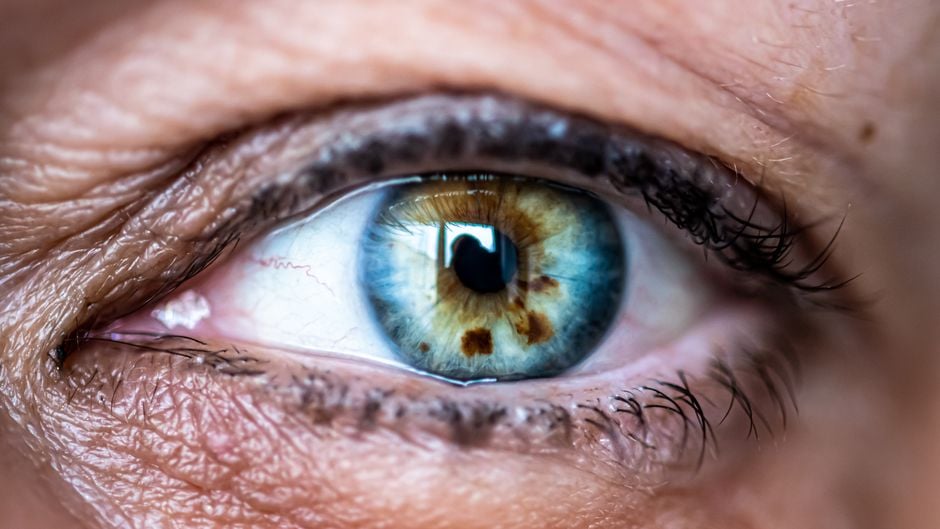
Age-related macular degeneration (AMD) is one of the leading causes of vision loss among older adults. It affects the macula, the part of the retina responsible for sharp, central vision. While there is currently no cure, eye care experts in New Jersey emphasize that AMD is highly manageable when caught early and monitored consistently. Here's what patients should know about living with and managing AMD.
Understanding the Two Forms of AMD
AMD generally develops in one of two forms: dry or wet. Dry AMD is more common and progresses gradually, often over years, as light-sensitive cells in the macula slowly break down. Wet AMD is less common but more aggressive, caused by abnormal blood vessel growth beneath the retina that can leak fluid and cause rapid vision changes. Knowing which type a patient has is essential, since management strategies differ significantly between the two.
Why Early Detection Matters
Experts from A2Z Eyecare explain that since AMD often progresses without obvious symptoms in its early stages, routine comprehensive eye exams remain the most reliable way to catch changes before they affect vision. AMD is a leading cause of central vision loss in individuals over 60, making regular screening especially important for patients in this age group, even those who feel their vision is unaffected. Local optometrists generally recommend yearly exams for older adults, and more frequent monitoring for those already diagnosed.
Nutritional Support: The AREDS2 Formula
For patients with intermediate AMD, one of the most well-supported management tools is a specific nutrient formula known as AREDS2. This combines a heart-healthy diet with a cocktail of antioxidant nutrients, including vitamins C and E, copper, lutein, zeaxanthin, and zinc. Research has shown this combination may reduce progression to advanced AMD by around 25 percent over five years, making it one of the few nutritional interventions with demonstrated benefit in any eye disease.
It's worth noting that AREDS2 isn't recommended for everyone. It's generally intended for people with intermediate AMD in one or both eyes, or advanced AMD in one eye and earlier-stage disease in the other. For people without AMD or with only very early changes, the high doses in the formula aren't necessary and haven't been shown to prevent the disease from starting. Anyone considering supplementation should discuss it with their eye doctor first.
Lifestyle Changes That Support Eye Health
Beyond supplements, several everyday habits can help protect the macula and slow disease progression. Maintaining a healthy weight, managing blood pressure and cholesterol, and staying physically active support AMD management by improving circulation and reducing inflammation. Wearing UV-blocking sunglasses and a wide-brimmed hat outdoors can also reduce light-related stress on the retina.
Diet plays a meaningful role as well. Research into the Mediterranean diet, which emphasizes fruits, vegetables, beans, nuts, and fish while limiting red meat and dairy, has shown strong associations with reduced AMD risk. Strong adherence to this eating pattern has been linked to a 25 percent reduction in the risk of progressing from early to late-stage disease. Smoking cessation remains one of the most important steps patients can take, as smoking is one of the strongest modifiable risk factors associated with AMD progression.
Ongoing Monitoring and Treatment
For wet AMD, treatment often involves more active intervention, including injectable medications that target abnormal blood vessel growth. For dry AMD, management focuses on slowing progression through the strategies above, paired with regular monitoring to watch for any transition to the more aggressive wet form.
Experts stress that managing AMD isn't a one-time decision but an ongoing partnership between patient and eye doctor. Consistent follow-up exams allow for adjustments to treatment plans as the disease evolves, helping patients preserve as much vision as possible for as long as possible.
While AMD cannot be cured, it can often be managed effectively through a combination of early detection, targeted supplementation when appropriate, lifestyle adjustments, and regular professional monitoring. Patients concerned about their risk, particularly those over 60 or with a family history of the condition, are encouraged to speak with an eye care provider about a personalized management plan.
A2Z Eyecare P.C
City: Waldwick
Address: 16 E Prospect Street,
Website: https://a2zeyecarenj.com/


Comments
Post a Comment