CPAP Alternatives For Snoring: Can Incline Sleep Therapy Help?
Key Takeaways:
- A pilot study found that 67% of participants stopped snoring completely when sleeping at a 20-degree incline, compared to 22% at a 10-degree angle
- Inclined sleeping uses gravity to prevent tongue and soft tissue collapse, improve nasal drainage, and support diaphragm function for quieter breathing
- Foam mattress wedges and adjustable beds provide effective non-mechanical solutions for achieving optimal incline angles without neck strain
- For position-dependent snoring, inclined sleep therapy offers a promising alternative to CPAP machines and other mechanical devices
Research cited in Medical News Today revealed compelling evidence that sleeping at an incline can dramatically reduce snoring. In a study examining different bed angles, researchers found that snoring stopped completely in 67% of participants when sleeping at a 20-degree incline, while only 22% experienced complete snoring cessation at a 10-degree angle. This significant difference highlights the importance of finding the optimal incline for maximum effectiveness.
A separate study published in 2022 demonstrated additional benefits beyond snoring reduction. Participants sleeping at a 12-degree incline experienced a 7% reduction in snoring duration, 4% fewer nighttime awakenings, and a 5% increase in deep sleep phases. These improvements translated into participants reporting feeling more rested upon waking, suggesting that inclined sleeping improves overall sleep quality rather than simply masking snoring symptoms.
How Gravity Reduces Snoring in Inclined Sleep
The science behind inclined sleep's effectiveness lies in how gravity affects the positioning of soft tissues and airflow during sleep. When lying flat, gravity pulls the tongue and soft palate backward, narrowing the airway and creating the vibrations that produce snoring sounds. Elevating the upper body counters this gravitational pull, keeping airways more open throughout the night.
1. Prevents Tongue and Soft Tissue Collapse
The primary mechanism by which inclined sleep reduces snoring involves preventing the backward collapse of the tongue and soft tissues in the throat. When the upper body is elevated, gravity naturally pulls these tissues away from the airway rather than into it. This positioning maintains a clearer passage for air to flow, reducing the tissue vibrations that create snoring sounds. The effect is particularly pronounced for back sleepers, who typically experience the most severe snoring due to gravitational effects on throat tissues.
2. Improves Nasal Drainage and Airflow
Elevating the head promotes better drainage of mucus from the nasal passages, addressing another common contributor to snoring. When congestion blocks nasal airways, individuals naturally breathe through their mouths during sleep, increasing the likelihood of soft tissue vibration and snoring. The improved drainage facilitated by inclined positioning helps maintain clearer nasal passages, encouraging nose breathing and reducing mouth breathing that exacerbates snoring.
3. Supports Diaphragm Function
An inclined sleeping position allows the diaphragm to function more efficiently by reducing pressure from abdominal organs. With the chest elevated, the lungs can expand more easily, supporting deeper, more regular breathing patterns. This improved respiratory function contributes to smoother airflow and reduces the irregular breathing that can trigger snoring episodes.
Optimal Incline Angles for Snoring Relief
Finding the right incline angle is important for maximizing snoring reduction while maintaining comfortable sleep. Research indicates that different angles provide varying levels of effectiveness, with most benefits appearing within the 10 to 30-degree range.
10-Degree Incline Results
A 10-degree incline represents the minimum effective angle for snoring reduction, with studies showing that 22% of participants experienced complete snoring cessation at this level. While less dramatic than higher angles, a 10-degree incline still provides measurable benefits including reduced snoring duration and fewer sleep disruptions. This gentler angle may be ideal for individuals new to inclined sleeping or those who find steeper angles uncomfortable initially.
20-30 Degree Range Benefits
The 20 to 30-degree range appears to provide optimal benefits for most individuals seeking snoring relief. At 20 degrees, the pilot study demonstrated that 67% of participants stopped snoring entirely, representing a threefold increase over the 10-degree angle. Research suggests that angles up to 30 degrees can provide additional benefits for breathing and circulation, though individual comfort levels may vary. While some research indicates potential discomfort at higher angles, other studies suggest that optimal comfort and relief can extend up to 45 degrees for many individuals, depending on personal tolerance and specific sleep needs.
Methods to Achieve Inclined Sleep Position
Several approaches exist for achieving the optimal inclined sleep position, each with distinct advantages and considerations. The choice often depends on budget, comfort preferences, and the degree of adjustability desired.
Foam Mattress Wedges
Foam mattress wedges represent the most accessible and cost-effective solution for inclined sleeping. These supportive foam structures slide under the mattress to create a gradual incline across the entire sleeping surface. Unlike pillows that only elevate the head and neck, mattress wedges support the entire upper body, maintaining proper spinal alignment while achieving the desired incline.
The key advantage of foam wedges lies in their simplicity and non-mechanical nature. Once positioned, they require no adjustments or maintenance while providing consistent elevation throughout the night.
Adjustable Beds with Full-Body Tilt
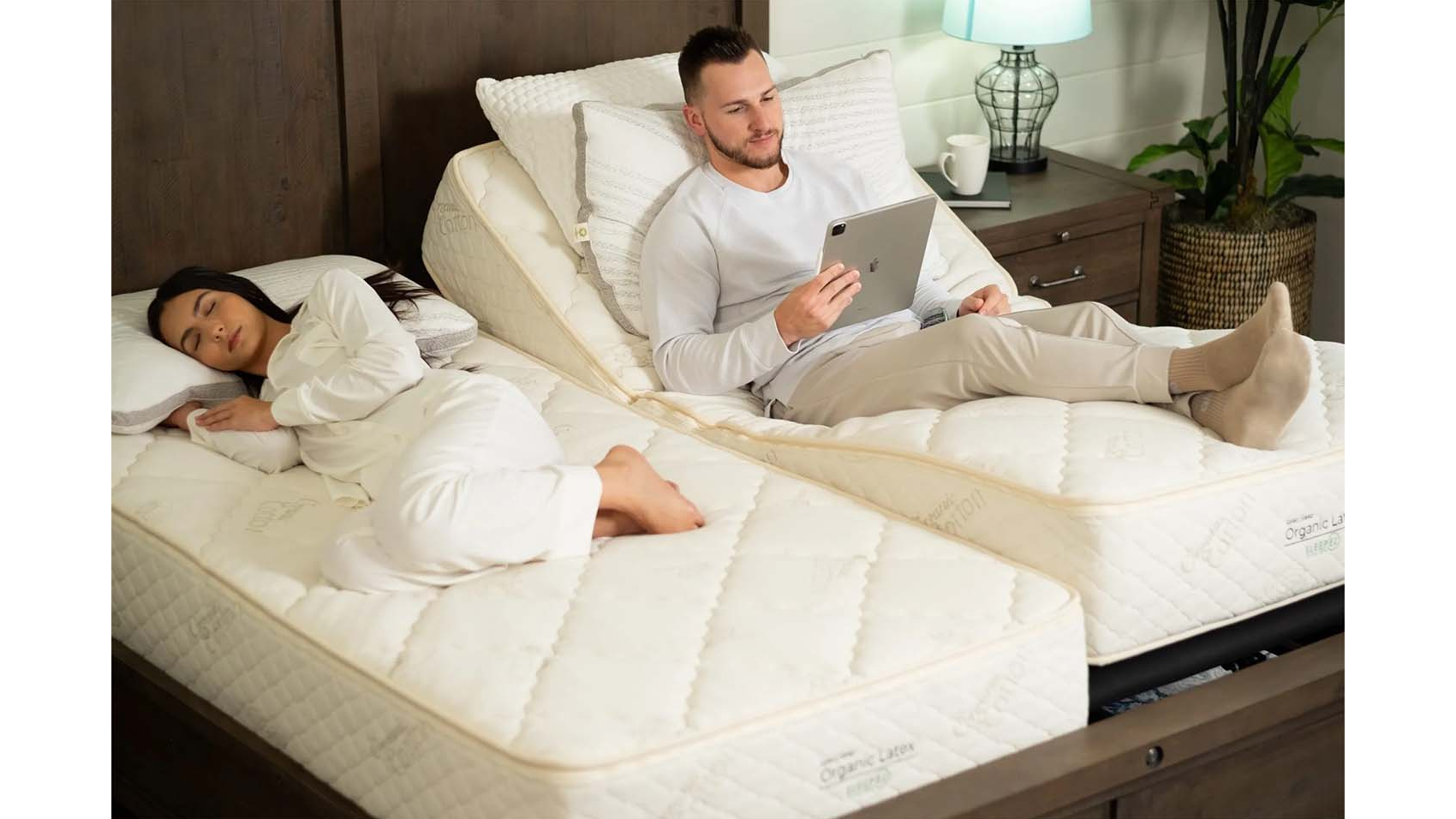
Adjustable beds provide the ultimate in customization and convenience for inclined sleeping. Most feature motorized head and foot elevation with wireless remote control, allowing users to fine-tune their sleeping position with precision. Unlike conventional adjustable beds that create segmented elevation, this system maintains consistent incline across the entire body, supporting proper alignment while achieving optimal angles for snoring reduction.
The motorized system allows easy position changes throughout the night and permits gradual adjustment as users adapt to inclined sleeping. Additional features may include preset positions, massage functions, and compatibility with most mattress types.
Why Regular Pillows Don't Work
Stacking regular pillows to achieve elevation creates several problems that can actually worsen snoring. Multiple pillows tend to bend the neck at awkward angles, potentially pushing the chin toward the chest and further restricting the airway. This positioning can increase snoring rather than reducing it. Additionally, pillows lack the structural support needed to maintain consistent elevation throughout the night, often shifting or compressing during sleep and losing their effectiveness.
Inclined Sleep vs. CPAP for Mild Sleep Apnea
For individuals with mild sleep apnea or position-dependent snoring, inclined sleep therapy provides several advantages over CPAP machines. While CPAP remains the gold standard for moderate to severe sleep apnea, inclined sleeping provides a non-invasive alternative for those with milder conditions.
Position-Dependent Snoring Solutions
Many individuals experience snoring primarily when sleeping on their backs, a condition known as position-dependent snoring. For these cases, inclined sleep therapy can be particularly effective since it addresses the root cause of the problem - gravitational effects on soft tissues. Unlike CPAP machines that require masks, hoses, and mechanical pressure, inclined sleeping works naturally with the body's positioning to maintain open airways.
Studies involving individuals with mild to moderate obstructive sleep apnea have shown that elevating the head of the bed can reduce sleep apnea severity and improve oxygen saturation levels. A 2017 study found that tilting participants 7.5 degrees reduced OSA severity by 31.8% on average while improving sleep efficiency.
When to Consider Other Alternatives
While inclined sleep therapy shows promise for many individuals, recognizing when additional interventions may be necessary remains important. Those with severe sleep apnea, significant oxygen desaturation, or persistent symptoms despite inclined sleeping should consult with sleep specialists. Other CPAP alternatives include oral appliances, myofunctional therapy, and electrical tongue-stimulation devices, which may be appropriate depending on individual circumstances and severity of symptoms.
Foam Wedges Provide Non-Mechanical Snoring Solution
Foam mattress wedges represent an ideal middle ground between basic pillows and complex adjustable bed systems. They provide the consistent, full-body elevation needed for effective snoring reduction without mechanical components that can fail or require maintenance. The gradual slope created by quality foam wedges maintains proper spinal alignment while achieving the optimal angles demonstrated in research studies.
For individuals seeking an immediate, cost-effective solution to position-dependent snoring, foam wedges provide several practical advantages. They work with existing mattresses and bed frames, require no electrical connections or setup procedures, and provide silent operation without motors or moving parts. The durability of quality foam construction ensures years of consistent performance, making them a practical long-term investment in better sleep quality.
The accessibility of foam wedges makes inclined sleep therapy available to a broader range of individuals who might find adjustable beds cost-prohibitive. This democratization of inclined sleep technology allows more people to experience the proven benefits of gravity-assisted airway management without significant financial investment.
For those ready to try inclined sleep therapy as a natural alternative to mechanical snoring treatments, Incline Sleep provides specialized products and educational resources designed to help individuals achieve optimal sleep positioning.
Incline Sleep
City: Glendale
Address: 4439 W Greenway Rd
Website: https://inclinesleep.com


Comments
Post a Comment