Circuit Breaker Compatibility: Common Mistakes Guide For Facility Managers
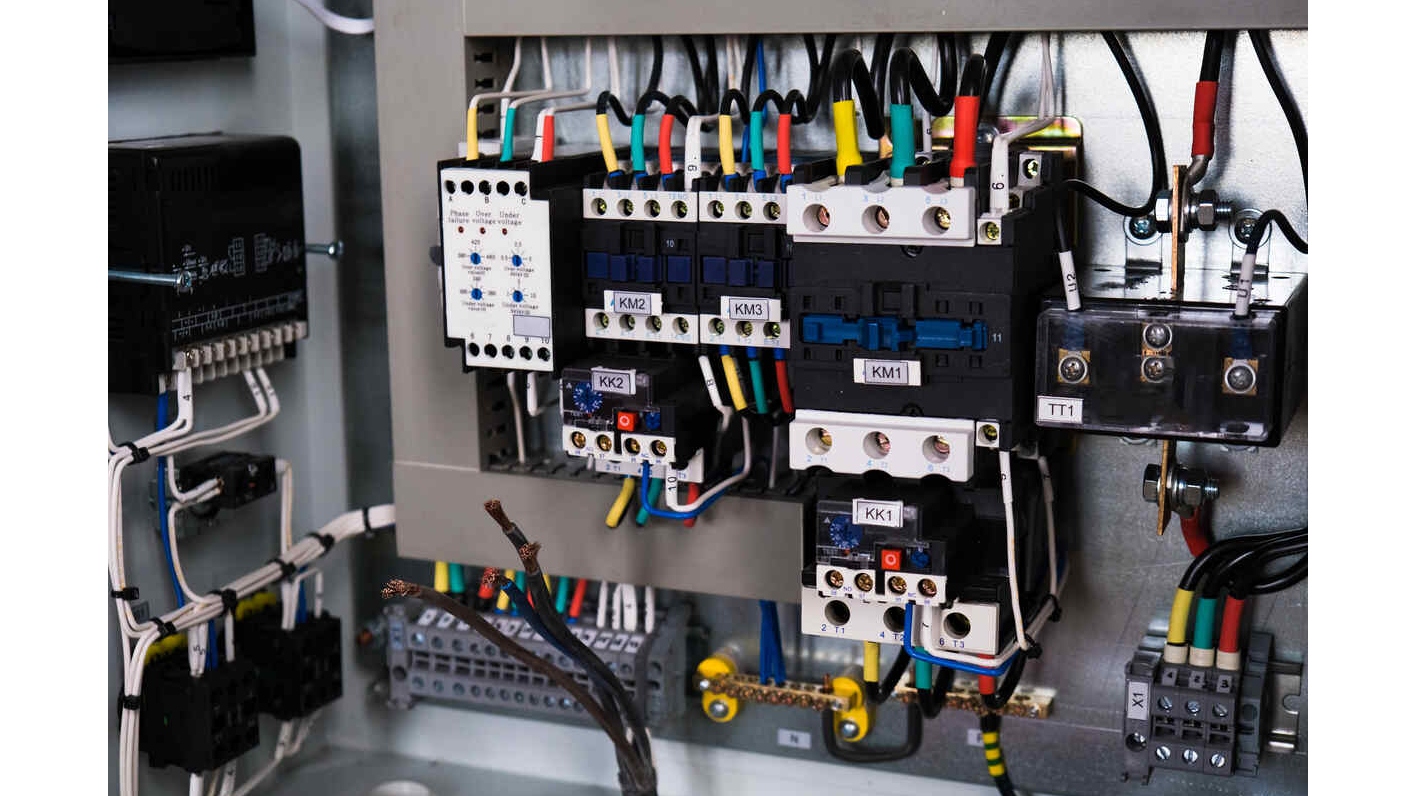
A circuit breaker replacement often looks like a simple task. The failed unit is removed, a replacement is sourced, and operations resume. In practice, this is where many of the most costly mistakes in facility maintenance begin. Compatibility is rarely as straightforward as matching a number on a label, and the assumptions that feel reasonable under time pressure are often the ones that create problems later.
Assuming Breakers Are Interchangeable
One of the most common mistakes is assuming that any breaker with a similar appearance and rating will work as a replacement. Two breakers can share the same ampere rating, fit the same panel opening, and even come from the same manufacturer, yet still differ in trip characteristics, certification status, or compatibility approvals. These differences are invisible from the outside and often go unnoticed until the system is tested under real fault conditions.
Interchangeability and compatibility are not the same concept. A breaker can physically replace another without being electrically or legally suitable for that application. This distinction is where many replacement decisions go wrong, particularly when a facility is under pressure to restore power quickly.
Overlooking Interrupting Capacity
Amperage is the specification most people check first, since it is visible and easy to compare. But matching amperage alone does not guarantee a safe replacement. Interrupting capacity, sometimes called the AIC rating, determines the maximum fault current a breaker can safely interrupt.
Two breakers rated for the same amperage can have dramatically different interrupting capacities. One might safely clear a fault that causes the other to fail or sustain damage. Because this rating has no bearing on day-to-day operation, it is easy to overlook until a fault event reveals the gap. Facilities with evolving electrical systems, where available fault current can increase over time due to upgrades or expansions, are particularly vulnerable to this oversight.
Mixing Manufacturers Without Verification
When an exact replacement is unavailable, many facilities turn to alternative manufacturers. This is not inherently a problem, but it does require verification. Experts from Electrical Power and Control explain that panel manufacturers typically test and approve specific breaker combinations, and installing an unlisted or unclassified breaker can create compliance concerns even if the unit appears to function normally.
Listed breakers are approved for use in a specific manufacturer's equipment, while classified breakers are independently tested for use across other manufacturers' panels. Both can be valid options, but only when their approval status has actually been confirmed rather than assumed based on physical fit.
Prioritizing Availability Over Verification
During an outage, speed often takes priority over process. The pressure to restore operations can lead facility teams to install whatever replacement is on hand, especially when production schedules are affected. This approach can resolve the immediate problem while introducing risks that surface later, including nuisance tripping, reduced protection, or compliance issues discovered during an inspection.
A breaker that solves today's outage is not necessarily the right long-term solution if its compatibility has not been confirmed. The time saved by skipping verification is often outweighed by the cost of addressing problems that emerge afterward.
Why These Mistakes Are Easy to Make
Each of these errors shares a common thread: they tend to occur when teams are working quickly, under pressure, and relying on visible characteristics rather than documented specifications. A breaker that looks right and powers on without issue can create a false sense of confidence, since electrical protection systems are only truly tested when an abnormal event occurs.
This is part of why compatibility mistakes are often discovered at the worst possible time, during a fault, an inspection, or an unexpected equipment failure, rather than during the replacement itself.
Reducing the Risk
Avoiding these mistakes does not require a complex process, but it does require discipline. Verifying ampere rating, voltage rating, interrupting capacity, mechanical fit, and panelboard approval before approving a circuit breaker replacement can prevent many of the issues described above. For facilities managing aging infrastructure or discontinued components, this verification step becomes even more important, since exact replacements are often harder to find and substitutions are more likely.
Treating compatibility as a verification process, rather than a visual or numerical match, is what separates a routine replacement from one that introduces hidden risk into a facility's electrical system.
Electrical Power and Control
City: Talladega
Address: 1639 Springhill Rd.
Website: https://electricalpowerandcontrol.com/


Comments
Post a Comment