Cash Discount Program vs Surcharge: Which Method Helps Reduce Credit Card Fees
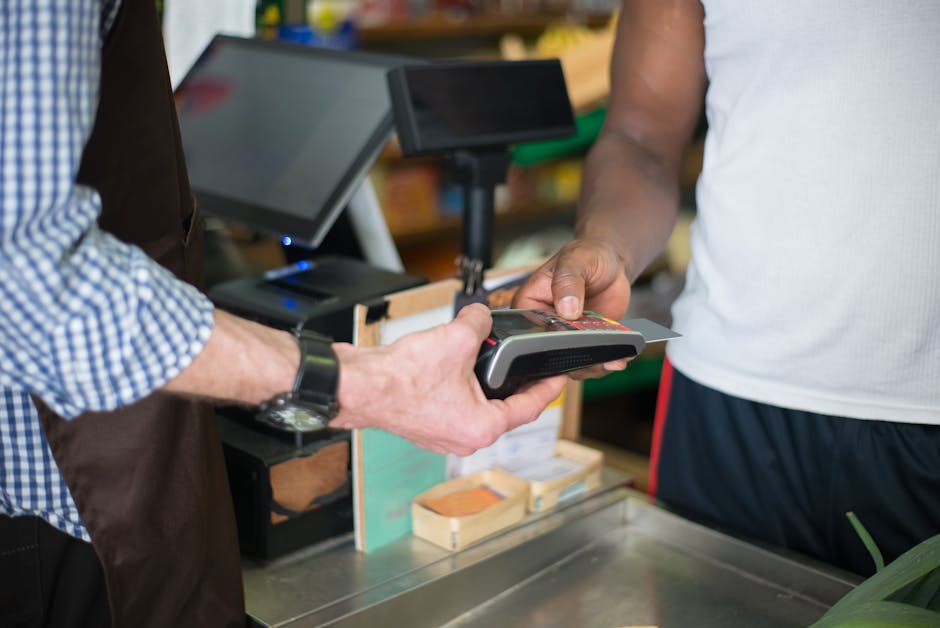
Key Takeaways
- The Nilson Report found merchants paid an average of $1.57 in fees for every $100 spent across all card types in 2025.
- Cash discount programs and surcharge models approach payment processing costs differently at checkout.
- Customer experience, compliance rules, and operational simplicity can influence which system works better for a business.
- Modern POS integration plays a major role in reducing payment friction and maintaining transparent transactions.
Rising payment acceptance costs have pushed more businesses to re-evaluate their merchant credit card processing strategies in recent years. What once seemed like a manageable operational expense has gradually become a larger pressure point for retailers, restaurants, service providers, and online businesses already operating with tighter margins.
As transaction volumes increase, even small percentage-based fees can compound quickly. A business processing hundreds of thousands of dollars annually may lose a substantial portion of revenue to interchange fees, processor markups, monthly service charges, and hidden administrative costs.
This has led many businesses to compare two increasingly common approaches for managing payment expenses: cash discount programs and surcharges.
Why Credit Card Processing Costs Continue Rising
Payment processing expenses have become more complicated than many merchants initially realize. Beyond the visible transaction rate, businesses may also encounter PCI compliance fees, gateway charges, statement fees, batch fees, monthly minimums, and assessment costs tied to major card networks.
As payment processing provider Better Payments Solutions points out, processing fees frequently expand alongside business growth — meaning higher sales volume doesn't always translate into proportionally higher retained revenue. Many merchants underestimate just how much that compounding effect can erode margins over time.
The broader shift toward digital payments has also intensified the issue. Consumers increasingly expect fast card-based and contactless transactions, leaving businesses with little ability to avoid payment acceptance infrastructure altogether.
How Surcharge Programs Work
Surcharge programs operate by adding a separate fee to credit card transactions at checkout. The customer pays an additional percentage specifically tied to card usage, allowing the merchant to recover part of the processing expense directly.
While this approach can reduce merchant costs, it also introduces several operational considerations. Surcharge regulations vary by state, and businesses must comply with card network disclosure requirements, signage rules, and transaction limitations.
Some merchants also worry about customer perception. Because the surcharge appears as a separate line item, shoppers may view the fee more negatively during checkout, particularly in highly competitive retail environments where pricing transparency strongly influences purchasing behavior.
That does not mean surcharge programs are ineffective. In some industries with larger transaction values or less price-sensitive customers, surcharging can still provide measurable savings.
How Cash Discount Programs Differ
Cash discount programs approach the issue differently. Instead of adding a fee specifically for card usage, businesses display a standard listed price while offering customers a discount for paying with cash.
This structure changes how the transaction is presented operationally and psychologically. Rather than framing the difference as a penalty for card use, the system emphasizes savings tied to alternative payment methods.
Many modern cash discount systems are integrated directly into POS technology, automating pricing adjustments during checkout while maintaining transaction consistency across retail, online, and hybrid environments.
Businesses exploring these models typically evaluate several factors beyond simple cost reduction. Integration compatibility, customer communication, staff training, reporting transparency, and compliance management all influence whether implementation succeeds smoothly.
Which Model Fits Retail Businesses Better?
There is no universal answer because business type, transaction size, customer demographics, and operational structure all play a role.
Retailers with high transaction frequency may prioritize checkout simplicity and customer experience, while service providers handling larger invoices may focus more heavily on direct cost recovery. Restaurants, e-commerce stores, and hybrid businesses may each encounter different customer expectations around pricing visibility.
Cash discount systems are increasingly attracting attention because they can feel less confrontational during checkout while still helping businesses offset rising payment costs. At the same time, surcharge models may provide stronger direct fee recovery in specific industries.
Ultimately, the better system is usually the one that aligns operational efficiency with customer retention and compliance requirements.
Choosing a Sustainable Strategy for Rising Payment Costs
As payment processing expenses continue climbing, businesses are placing greater attention on how merchant credit card processing systems affect long-term profitability. The discussion is no longer limited to transaction percentages alone. Retailers increasingly evaluate transparency, POS integration, operational flexibility, customer response, and regulatory compliance when selecting payment strategies.
Whether a business chooses a cash discount model, a surcharge structure, or another pricing approach entirely, understanding how payment systems affect margins is now a core part of running a sustainable operation. For businesses actively re-evaluating their setup, reviewing available merchant credit card processing options is a practical next step.
Northern Media Services
City: Oswego
Address: 274 Cemetery Rd
Website: https://www.northernmediaservices.com/


Comments
Post a Comment