Best Sheet Materials for Dog Hair: Pet-Resistant Bedding Options Explored
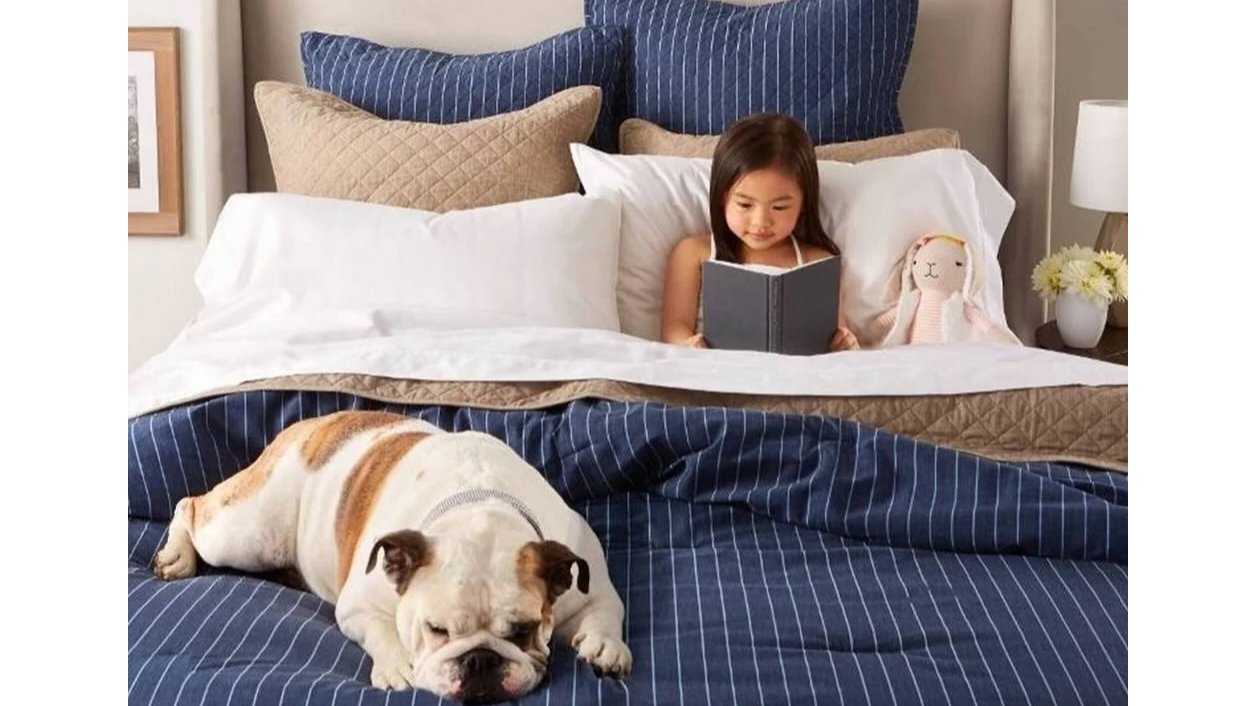
Key Takeaways
- Dog hair adheres to sheets through three primary mechanisms: static electricity from friction, fabric fibres acting as physical hooks, and loose weave structures that trap fur deep within the material.
- Synthetic materials like polyester and fleece create static buildup and provide hook-like surfaces that grab onto pet hair, though some tightly woven synthetic microfibers can effectively repel hair.
- Tight weaves above 400 thread count and silk's naturally smooth surface prevent hair from embedding, making removal significantly easier.
- Pre-treatment techniques like shaking sheets outside and adding white vinegar to wash cycles can dramatically reduce stubborn pet hair buildup.
Dog owners sharing their beds with furry companions face a daily battle against pet hair that seems to magically embed itself into bedding. Understanding why this happens reveals the science behind the frustration and points toward effective solutions.
Three Forces That Make Dog Hair Cling to Your Bedding
The persistent nature of dog hair on sheets isn't random—it's the result of three distinct physical forces working together. Static electricity creates an invisible magnetic pull between fur and fabric, while the microscopic structure of textile fibres provides countless physical anchor points. Meanwhile, the openness of fabric weaves creates deep pockets where fine pet hair can burrow and hide from even vigorous shaking.
These forces combine to create what feels like an impossible cleaning challenge, but recognizing each mechanism provides the roadmap for choosing better bedding materials and developing more effective removal strategies.
Static Electricity: Why Dry Air Makes Everything Worse
1. Friction Between Pet Fur and Synthetic Materials Creates Charge Buildup
When dogs move across synthetic bedding materials, the friction generates electrical charges that create a powerful attraction between fur and fabric. Polyester, acrylic, and other synthetic fibres are particularly prone to static buildup because they don't conduct electricity well, allowing charges to accumulate on the surface.
This phenomenon explains why pet hair seems to jump onto freshly laundered synthetic sheets almost immediately. The fine diameter of dog hair makes it particularly susceptible to static forces that can attract loose fur.
2. Low Humidity Environments Amplify Static Cling
Dry air acts as an amplifier for static electricity, which is why pet hair problems worsen during winter months when indoor humidity drops. Low moisture levels prevent electrical charges from dissipating naturally, creating ideal conditions for hair to cling tenaciously to bedding.
Maintaining indoor humidity between 40-50% helps reduce static buildup, though this alone won't solve the pet hair problem. The combination of dry air and synthetic materials creates the perfect storm for maximum hair adhesion.
3. Natural Sebum Oils Create Additional Sticky Bonds
Dog hair carries natural sebum oils that create lipid adhesion—a sticky chemical bond between the hair's coating and fabric fibers. This biological factor means skin cells and dander contribute to the hair's ability to stick, creating multiple attachment points that make removal more challenging.
These oils also attract dirt and other particles, making embedded hair even more noticeable and harder to extract through normal washing cycles.
Fabric Structure: How Loose Weaves Trap Pet Hair
Fuzzy Textures Act as Physical Hooks for Fine Pet Hair
Fabrics with raised or fuzzy surfaces provide countless microscopic hooks that grab onto the tiny barbs found on pet hair. Brushed cotton, flannel, and fleece are notorious offenders because their manufacturing process deliberately creates these textured surfaces that feel soft but trap everything that touches them.
The fine structure of dog hair, combined with these fabric hooks, creates a mechanical bond that's difficult to break without aggressive removal techniques. This explains why gentle shaking often fails to dislodge embedded hair.
Lower Thread Counts Create Looser Weaves Prone to Hair Trapping
Thread count directly impacts how easily pet hair penetrates and embeds in fabric. Sheets with thread counts below 400 have larger gaps between threads, allowing fine pet hair to work its way deep into the weave structure where it becomes virtually invisible until washing.
Higher thread counts create denser, smoother surfaces that prevent hair from penetrating beyond the surface layer. This fundamental difference in fabric construction explains why some sheets shed pet hair easily while others seem to absorb it permanently.
Worst Offenders: Materials That Act Like Pet Hair Magnets
1. Flannel and Fleece Create Deep Hair Pockets
Flannel's brushed surface and fleece's looped construction create ideal conditions for pet hair accumulation. The raised fibers in these materials form deep pockets where hair can burrow and become virtually impossible to remove through normal washing and drying cycles.
These materials compound the problem by retaining heat, which can make sleeping uncomfortable for both pets and owners, leading to more movement and friction that generates additional static electricity.
2. Velvet's Loop Structure Attracts Hair
Velvet fabric consists of millions of tiny loops that act like microscopic brushes, grabbing and holding onto pet hair. While some types of velvet may release hair more easily than others, most require frequent maintenance and specialized cleaning tools.
The pile structure can be less prone to snagging from pet claws compared to some woven fabrics, but it can be susceptible to crushing, which might lead to permanent damage.
3. Low-Quality Cotton with Loose Weaves
Inexpensive cotton sheets often feature loose weaves and shorter fibre lengths that create rough surfaces perfect for trapping pet hair. Unlike high-quality cotton varieties with tight weaves, these materials allow hair to penetrate deep into the fabric structure.
The combination of loose construction and lower thread counts makes these sheets particularly problematic for pet owners, as hair becomes embedded during use and redistributes during washing cycles.
Pet-Resistant Alternatives: Materials That Let Hair Slide Off
1. Silk's Smooth Surface Prevents Hair Embedding
Natural silk provides one of the most effective solutions for pet hair problems due to its inherently smooth surface and tight weave structure. The protein fibres in silk create a surface that hair cannot easily grip, allowing even embedded fur to release during gentle washing.
2. Tight Weaves Above 400 Thread Count
High-quality cotton sheets with thread counts between 400-800 create dense, smooth surfaces that prevent pet hair from penetrating beyond the surface layer. The tight weave construction allows hair to remain visible and easily removable through simple shaking or brushing.
Percale and sateen weaves offer different textures while maintaining the tight construction necessary for effective hair resistance. Percale provides a crisp, breathable feel, while sateen offers a silkier surface that hair slides off more readily.
3. High-Quality Tightly Woven Microfiber Repels Fur
Premium microfiber sheets with ultra-fine synthetic fibres create exceptionally smooth surfaces that naturally repel pet hair. Unlike brushed or textured microfiber varieties, high-quality versions maintain their smooth finish through repeated washing cycles.
The synthetic nature of microfiber can generate some static electricity, but the smooth surface texture more than compensates by preventing hair from finding anchor points in the fabric structure.
Effective Hair Management: Pre-Treatment and Washing Strategies
1. Shake Sheets Outside Before Washing
Vigorous shaking outdoors removes loose surface hair before it has a chance to redistribute during the washing cycle. This simple pre-treatment step prevents hair from settling into clean fabrics and reduces the load on washing machine filters.
Shaking works best on tightly woven fabrics where hair remains near the surface, making this technique particularly effective for silk, high-thread-count cotton, and quality microfiber sheets.
2. Use Rubber Gloves or Damp Sponges for Stubborn Hair
Slightly dampened rubber gloves create friction that attracts pet hair through static electricity, making them highly effective for removing embedded fur from fabric surfaces. The rubber material generates opposite charges that pull hair away from synthetic and natural fibers alike.
Pet hair sponges work similarly, using textured surfaces to grab and collect hair without damaging delicate fabrics. These tools prove especially useful for removing hair from areas where traditional lint rollers fail.
3. Add White Vinegar to Release Trapped Fibers
Adding half a cup of white vinegar to the rinse cycle helps relax fabric fibers and release trapped pet hair while neutralizing odors. The acidic properties of vinegar break down the lipid bonds created by natural oils on pet hair, making removal more effective.
This technique works particularly well with natural fibers like cotton and linen, though it's equally effective with synthetic materials. The vinegar smell dissipates completely during the drying process, leaving bedding fresh and hair-free.
Grade 6A Mulberry Silk Significantly Reduces Pet Hair Problems
The superior quality of Grade 6A Mulberry silk represents the pinnacle of pet-resistant bedding materials, combining natural hypoallergenic properties with exceptional hair-repelling capabilities. The long-fibre construction and higher momme weight create an incredibly smooth, dense surface that prevents hair from embedding while maintaining breathability and temperature regulation.
Unlike standard silk varieties, the 22-25 momme weight provides enhanced durability for households with active pets, while the natural protein fibers actively resist dust mites and allergens. The natural properties of high-grade silk result in less static buildup compared to many synthetic alternatives, creating an ideal sleeping environment for both pets and owners.
Regular care becomes effortless as pet hair slides off during gentle shaking, and the natural properties of high-grade silk continue to improve with proper washing, making it a long-term investment in cleaner, more comfortable sleep.
Mayfairsilk
City: London
Address: 13 Hanover Square
Website: https://www.mayfairsilk.com


Comments
Post a Comment