Are Specialty Carbide Chainsaw Chains Worth It? What Contractors Need to Know
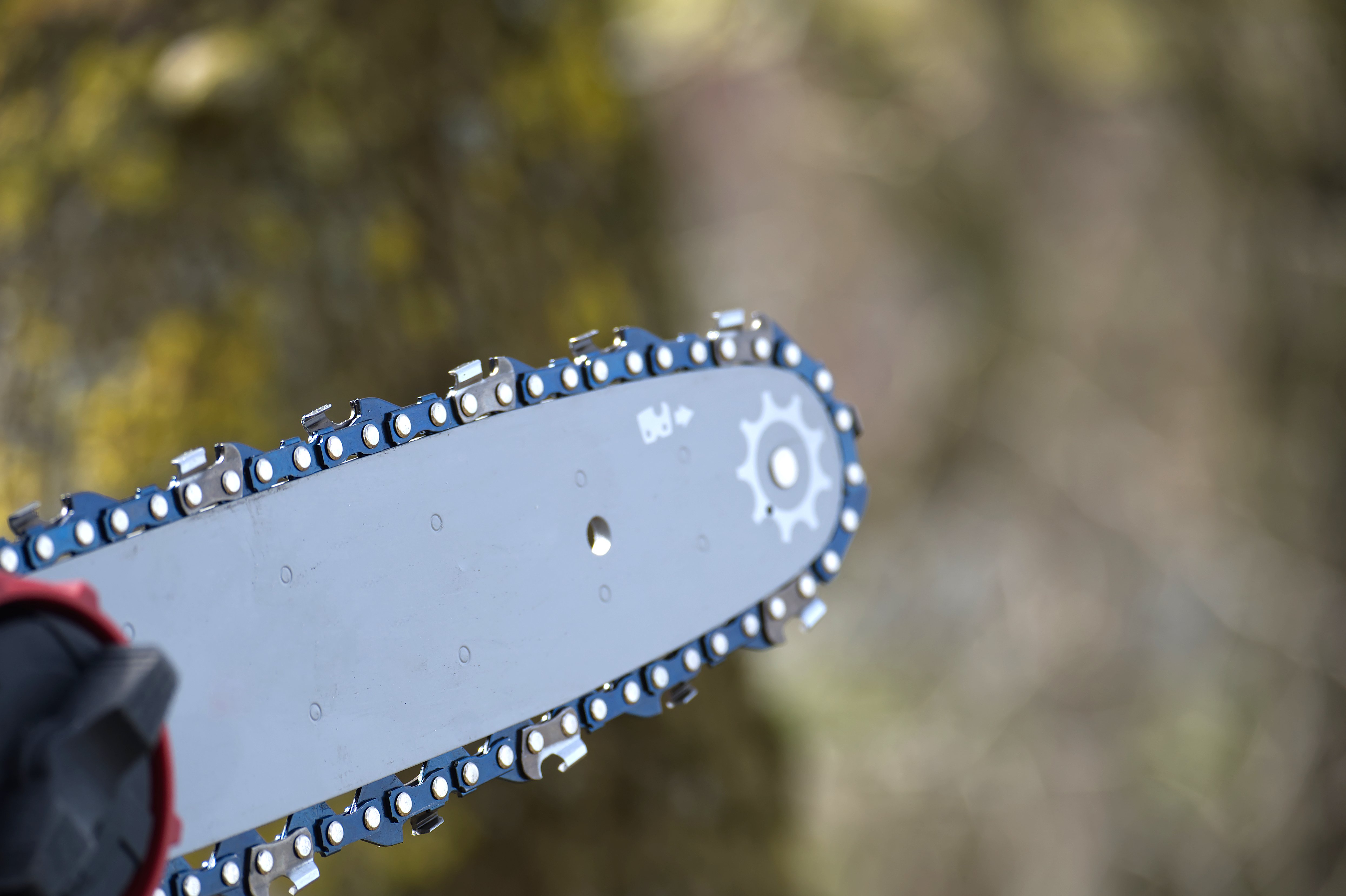
Anyone who has spent a workday cutting through wood riddled with nails, dirt, or old roofing material knows the frustration of a chain that dulls before the job is even half done. For contractors, that's not just an inconvenience: it's lost time, lost productivity, and added cost. Carbide-tipped chainsaw chains were developed specifically to solve this problem, and for many professionals, like the team at Rapco Industries, they've become the standard choice for demanding cutting conditions.
What Makes Carbide Different
Standard chainsaw chains use steel cutters, which are effective for clean wood but wear down quickly against dirt, embedded metal, or abrasive material. Carbide-tipped chains replace those steel cutters with carbide, a far harder material that resists wear in ways steel can't.
The result is a chain that stays sharp significantly longer under tough conditions. Many users report cutting through nail-embedded decking, aged roofing, frozen timber, or gritty wood without the dulling that often happens with standard steel chains in the same conditions within minutes.
Where Contractors See the Biggest Benefit
For contractors and home flippers, the appeal of carbide chains comes down to the type of work involved. Demolition and renovation projects rarely involve clean, predictable wood. Tearing out an old deck means cutting through lumber full of rusted nails. Removing an asphalt shingle roof means dealing with embedded grit and tar buildup. Clearing storm debris or opening up interior walls during a remodel can mean encountering all of the above in a single job.
In these situations, a standard chain may need to be sharpened or replaced multiple times throughout a single project, eating into both time and budget. A carbide chain, designed to handle exactly these conditions, can significantly reduce how often a crew needs to stop work for maintenance.
Durability Comes With Tradeoffs
It's worth being upfront that carbide chains aren't indestructible, and they aren't always the right tool for every job. Carbide is hard, but striking a chain against rock, stone, concrete, or hardened metal can chip or break the tips, sometimes more severely than would happen to a standard chain, given carbide's brittleness compared to steel.
Carbide chains also typically cost more upfront. For occasional or light-duty use, that added cost may not be worth it. But for contractors cutting through abrasive or contaminated material regularly, the extended cutting life and reduced downtime often offset the higher initial price over time.
Maintenance Looks a Little Different
One detail that surprises some first-time carbide chain users is that standard sharpening files won't work on carbide teeth. Experts from Rapco Industries explain that since carbide is so much harder than steel, sharpening it requires diamond-abrasive tools, such as diamond wheels or diamond burrs, rather than the files typically used on conventional chains.
This isn't a major obstacle, but it is something contractors should plan for. Many manufacturers offer factory resharpening services for those who don't want to invest in diamond sharpening equipment themselves, which can be a practical option for crews that don't go through chains often enough to justify the additional tools.
Choosing the Right Chain for the Job
Carbide chains generally come in different cutter styles and grind types, each suited to different conditions. Some designs prioritize cutting speed in cleaner wood, while others are built with extra impact resistance for dirtier, more unpredictable material. Matching the right style, pitch, and gauge to a specific saw and job is important for getting the most out of the investment.
For contractors who regularly encounter nails, debris, dirt, or other contaminants in their cutting work, carbide-tipped chainsaw chains offer a meaningful upgrade over standard steel chains. They won't eliminate the need for careful work around hard objects like rock or metal, and they come at a higher upfront cost, but for the right application, the extended cutting life and reduced downtime can make a real difference in how efficiently a job gets done.
Rapco Industries Inc.
City: Vancouver
Address: 6000 NE 88th St d104
Website: https://rapcoindustries.com/
Phone: +1 800 959 6130
Email: sales@rapcoindustries.com


Comments
Post a Comment