When To Reupholster Patio Chair Cushions: Experts Discuss Fabric Tips & Options
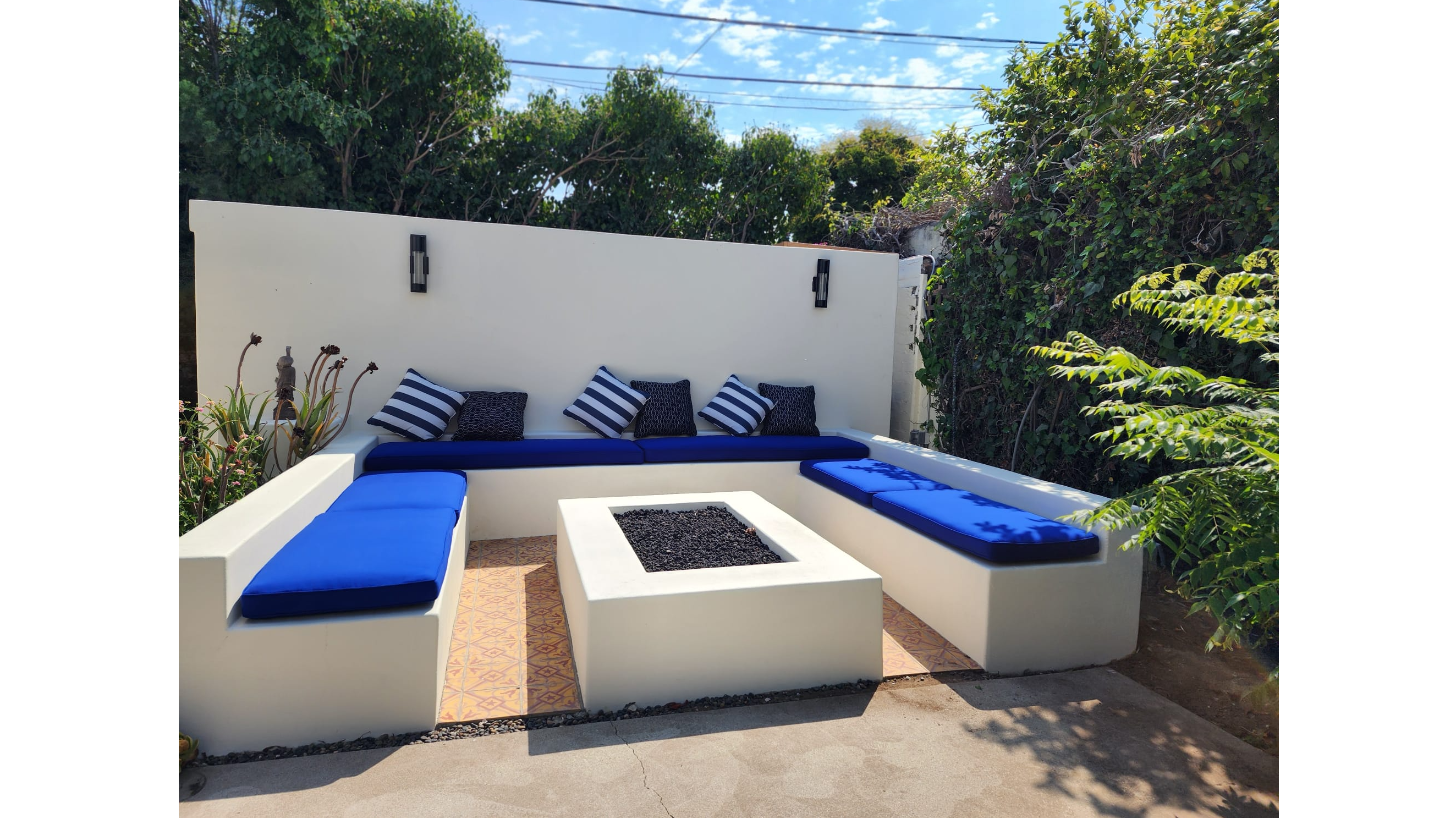
Summer's calling, and your patio cushions are... not answering. Luckily, worn-out cushions don't mean you need to replace your entire patio set. Reupholstering is often simpler, cheaper, and more satisfying than you'd expect. This guide will walk you through when it makes sense, what fabrics hold up best outdoors, and how to get your cushions looking (and feeling) like new again.
Signs It's Time To Reupholster
Here's what to watch for that tells you it's time to refurbish your patio cushions:
Fading that's gone too far. A little sun-kissed mellowing is one thing. Patchy, uneven fading that makes your cushions look tired and neglected is another. If the color has drifted so far from the original that you can't remember what it used to be, it's time.
Rips, tears, or holes. Small snags happen. But once the fabric starts opening up and the stuffing makes a break for it, you're past the point of spot fixes.
Mold or mildew. This one's non-negotiable. Beyond looking unpleasant, mold and mildew can pose health risks. If you spot fuzzy patches or smell that telltale mustiness, either deep clean immediately or reupholster. Sometimes the growth has gone too far into the foam, and the whole cushion needs replacing.
Brittle, stiff, or cracking fabric. Constant sun exposure breaks down fibers over time. If your cushion covers feel crunchy or cracked when you touch them, the fabric has lost its integrity and won't hold up much longer.
Flat, lumpy, or saggy cushions. When you sit down and sink straight to the frame, or the cushion feels uneven and unsupportive, the filling has worn out. This one's about comfort as much as appearance — nobody wants to perch on a pancake.
The print just isn't working anymore. Maybe you inherited the furniture, your taste changed, or that tropical pattern felt fun in 2019 and now makes you wince. No shame in wanting something different.
How Long Do Outdoor Cushions Actually Last?
The honest answer is; it depends. High-quality patio cushions typically hold up for three to five years with regular outdoor use. That range changes based on how much sun they get, how harsh your weather is, and how consistently you take care of them.
Premium fabrics like Sunbrella can last ten years or more with proper maintenance. The combination of solution-dyed acrylic fibers, UV resistance, and mold-resistant properties gives them serious staying power.
Budget cushions exposed to intense sun and frequent rain? Sometimes they start looking rough after just a season or two. You get what you pay for — but you can also extend what you've got with the right care.
Outdoor Fabric 101: What Holds Up Best
Not all outdoor fabric is created equal. If you're going to invest time or money in reupholstering, choosing the right material makes all the difference.
Sunbrella is the gold standard for outdoor upholstery. It's made from 100% solution-dyed acrylic, which means the color goes all the way through the fiber rather than just sitting on the surface. The result is exceptional fade resistance—Sunbrella provides up to 98% UV protection and comes with a five-year warranty against fading or loss of strength. It also resists mold, mildew, and stains, and cleans up easily with soap and water (or even a diluted bleach solution for tough spots). The tradeoff is price: Sunbrella costs more upfront, typically $50-$70 per yard. But when the fabric lasts three times longer than cheaper alternatives, the math often works out.
Olefin (polypropylene) is a solid budget-friendly option. It's naturally water-resistant and dries quickly after rain, making it practical for outdoor use. Olefin works well in shaded areas, but it doesn't hold up to UV exposure as well as Sunbrella—expect it to show wear sooner if your cushions sit in direct sunlight.
Polyester blends are widely available and affordable. They fade faster than acrylic fabrics, especially in sunny spots, but work fine for moderate use or covered patios. Look for versions labeled UV-treated or solution-dyed for better longevity.
Other solution-dyed acrylics from various brands offer similar performance to Sunbrella at varying price points. If you find a fabric you love that's labeled solution-dyed acrylic, it's likely a good bet for outdoor use.
Reupholster Or Buy New: When Does Each Make Sense?
This is the real question, and the answer depends on your specific situation.
Reupholstering makes sense when:
- The frame is still sturdy. If the bones of your furniture are solid—no rust, no wobbling, no structural damage—there's no reason to throw it away just because the cushions look rough. Good frames can last decades with a little fabric refresh.
- You have quality or custom furniture. High-end patio sets and custom pieces are expensive to replace. Reupholstering lets you keep what you love without the sticker shock.
- You want to customize. Buying new limits you to whatever's on the showroom floor. Reupholstering opens up hundreds of fabric options—colors, patterns, textures—so you can create exactly the look you want.
- Sustainability matters to you. Keeping functional furniture out of the landfill is a small but meaningful choice. If the frame works, why waste it?
Buying new makes more sense when:
- The frame is damaged. Rust, rot, broken joints, or structural instability means the furniture has reached its end. No amount of pretty fabric will fix a frame that's falling apart.
- The furniture was inexpensive to begin with. If you bought budget patio furniture a few years ago and it's worn out, replacing it might cost the same as (or less than) reupholstering.
- Reupholstery costs approach replacement cost. Get quotes before deciding. If recovering your cushions costs nearly as much as a new set you'd actually prefer, the math tips toward replacement.
- You're ready for something completely different. Sometimes you just want a fresh start, and that's okay too.
What Does Reupholstering Cost?
Professional reupholstering for outdoor cushions typically runs between $50 and $500, depending on size, fabric choice, and labor rates in your area.
Simple seat pads land on the lower end. Large lounge cushions, sectional pieces, or anything requiring premium fabric and detailed work climb toward the higher end.
Labor alone usually runs $40-$100 per hour, and most upholsterers quote a total project price rather than hourly. Fabric adds to that—Sunbrella runs roughly $50-$70 per yard, while budget outdoor fabrics might be $20-$30 per yard.
For context: HomeGuide estimates that reupholstering outdoor cushions costs $80-$300 each, depending on size and materials. Recovering an entire patio set professionally can run $200-$700 total.
DIY cuts costs significantly. If you're comfortable with a sewing machine—or even just a staple gun for simpler projects—you can recover cushions for the cost of fabric alone. A basic chair pad can be done in under an hour. Full cushion covers with zippers take an afternoon, especially the first one. After that, the rest go faster.
Maintenance Tips To Extend Cushion Life
A little regular care goes a long way toward keeping your cushions looking good longer.
Brush off debris regularly. Leaves, pollen, dirt—don't let it accumulate. A quick brush-off prevents buildup that can stain or promote mold growth.
Clean with mild soap and water. Most outdoor fabrics clean up easily with a soft brush, mild soap, and a rinse from the hose. For Sunbrella specifically, you can use a diluted bleach solution (one cup bleach per gallon of water) for stubborn stains without damaging the fabric.
Let cushions dry completely. Stand them on edge so air circulates on all sides. Leaving cushions flat and damp is an invitation for mildew.
Store during harsh weather. If you can bring cushions inside during heavy storms, extended rain, or freezing temperatures, do it. Even the toughest fabrics last longer with a little protection.
Reapply fabric protectant after deep cleaning. Products like 303 High Tech Fabric Guard restore water repellency that can diminish over time. Sunbrella recommends reapplying after every thorough cleaning.
Cover furniture when not in use. If storage isn't practical, fitted covers protect cushions from sun and rain between uses. It's an extra step, but it adds years to your fabric's life.
Time To Give Your Patio Some Love
Your outdoor furniture deserves better than sad, sun-bleached cushions that have seen better days. Whether you DIY with a sewing machine and some Sunbrella, or hand the project off to a pro, reupholstering is a surprisingly satisfying way to refresh your outdoor space—without replacing furniture that still has plenty of life left in its frame.
A little fabric, a little effort, and suddenly your patio is ready for company again. The sun's out. The cushions are calling. Time to make them worth sitting on.
Joseph's custom furniture upholstery and slipcovers
City: Los Angeles
Address: 1830 W Pico Blvd E,
Website: https://josephallupholstery.com/
Phone: +1 323 842 0550
Email: contact@josephallupholstery.com


Comments
Post a Comment