What Is Specialty Coffee: Breaking Down the Standards Behind Better Beans
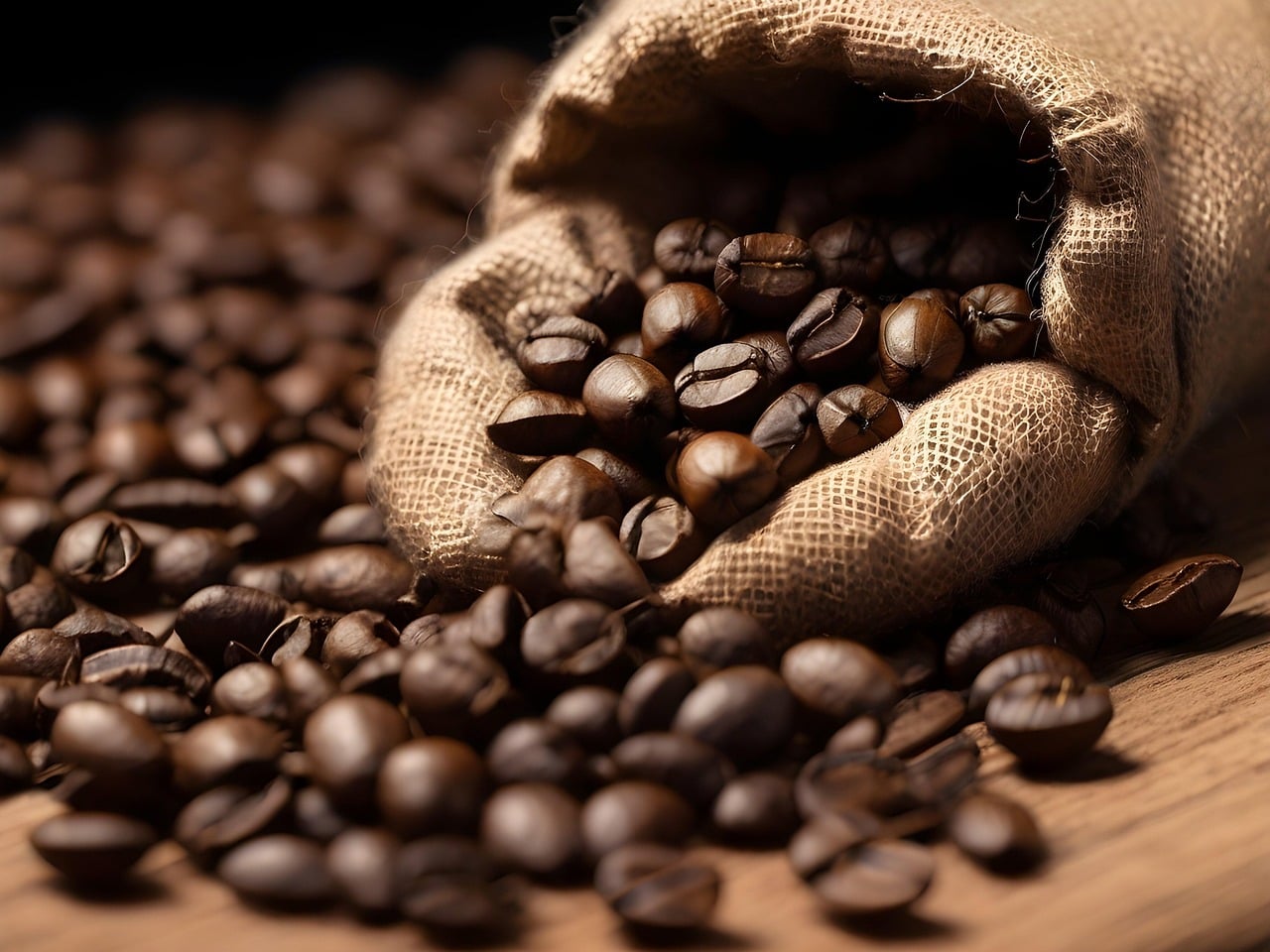
According to the National Coffee Association, 55% of Americans now drink specialty coffee, reflecting a clear shift toward higher-quality options and more informed buying decisions.
Specialty coffee isn’t a marketing term—it’s a defined quality standard. To be classified as a specialty, coffee must score at least 80 points on a 100-point scale during professional tasting. That score reflects balance, flavor clarity, aroma, and overall quality.
The Specialty Coffee Association sets these benchmarks, helping maintain consistency across the industry. In simple terms, specialty coffee is about doing everything right—from the farm to the cup.
That’s what separates it from commercial coffee, which is often blended from multiple sources and designed for long shelf life rather than distinct flavor.
Why Origin Matters
With specialty coffee, origin isn’t just a label—it’s part of the experience. Beans are typically sourced from specific regions, and often from individual farms or cooperatives.
That matters because coffee reflects where it’s grown. Factors like altitude, soil, and climate all shape the final taste. Ethiopian coffees are often bright and fruit-forward, while Colombian beans tend to be smoother and more balanced.
This focus on origin also ties into traceability. Knowing where coffee comes from gives people more clarity about how it was produced and handled.
Processing Shapes the Flavor
After coffee is harvested, it goes through processing, and this step can completely change how it tastes.
Washed coffees usually come across as clean and crisp. Natural (dry) processed coffees tend to be sweeter and more fruit-driven. Honey processing sits somewhere in between, often bringing a mix of body and brightness.
In specialty coffee, these differences aren’t hidden—they’re part of what people are looking for.
Roasting and Its Impact
Roasting has a direct effect on flavor. In specialty coffee, lighter roasts are more common because they preserve the unique characteristics of each bean.
Darker roasts can still appeal to certain preferences, but they often mask the origin-specific notes. Specialty roasters usually aim for balance—developing the coffee without overpowering it.
This approach allows the natural qualities of the bean to come through, rather than making everything taste the same.
How Specialty Coffee Is Reaching More People
For a long time, specialty coffee was mainly available through local roasters or direct-to-consumer websites. That’s starting to change.
More consumers now expect better options online, and companies are adapting by combining small-batch roasting with broader distribution. The idea is to make higher-quality coffee easier to access without losing the detail and care that define it.
Some roasters are responding by combining small-batch production with wider distribution—making higher-quality coffee easier to access without sacrificing the sourcing detail that defines it. The approach reflects how specialty coffee is expanding beyond traditional channels.
What to Look for When Buying Specialty Coffee Online
When buying specialty coffee online, the clearest signals are origin, roast date, processing method, and bean type. A product that simply says “premium” or “gourmet” may not tell the buyer much, but a listing that names the growing region, roast style, and sourcing details gives a clearer picture of what is actually in the bag.
Roast timing also matters. Coffee does not need to be consumed immediately after roasting, but fresher roasting usually gives buyers a better chance of experiencing the flavors the roaster intended. For online shoppers, that makes details such as small-batch roasting, clear origin information, and transparent product descriptions more useful than broad quality claims.
Why It’s Becoming the Standard
The rise of specialty coffee comes down to changing expectations. People want to know what they’re buying, where it comes from, and how it’s made.
Coffee is no longer just a routine purchase. It’s something people pay attention to—similar to how they think about wine or other craft products.
As more consumers move in that direction, specialty coffee is becoming less of a niche category and more of a baseline for quality.
Kochere Coffee Company
City: Dallas
Address: 539 W COMMERCE ST
Website: https://kochere.com
Email: info@kochere.com


Comments
Post a Comment