What Are Minky Blankets Made Of? Everything You Need to Know About the Fabric
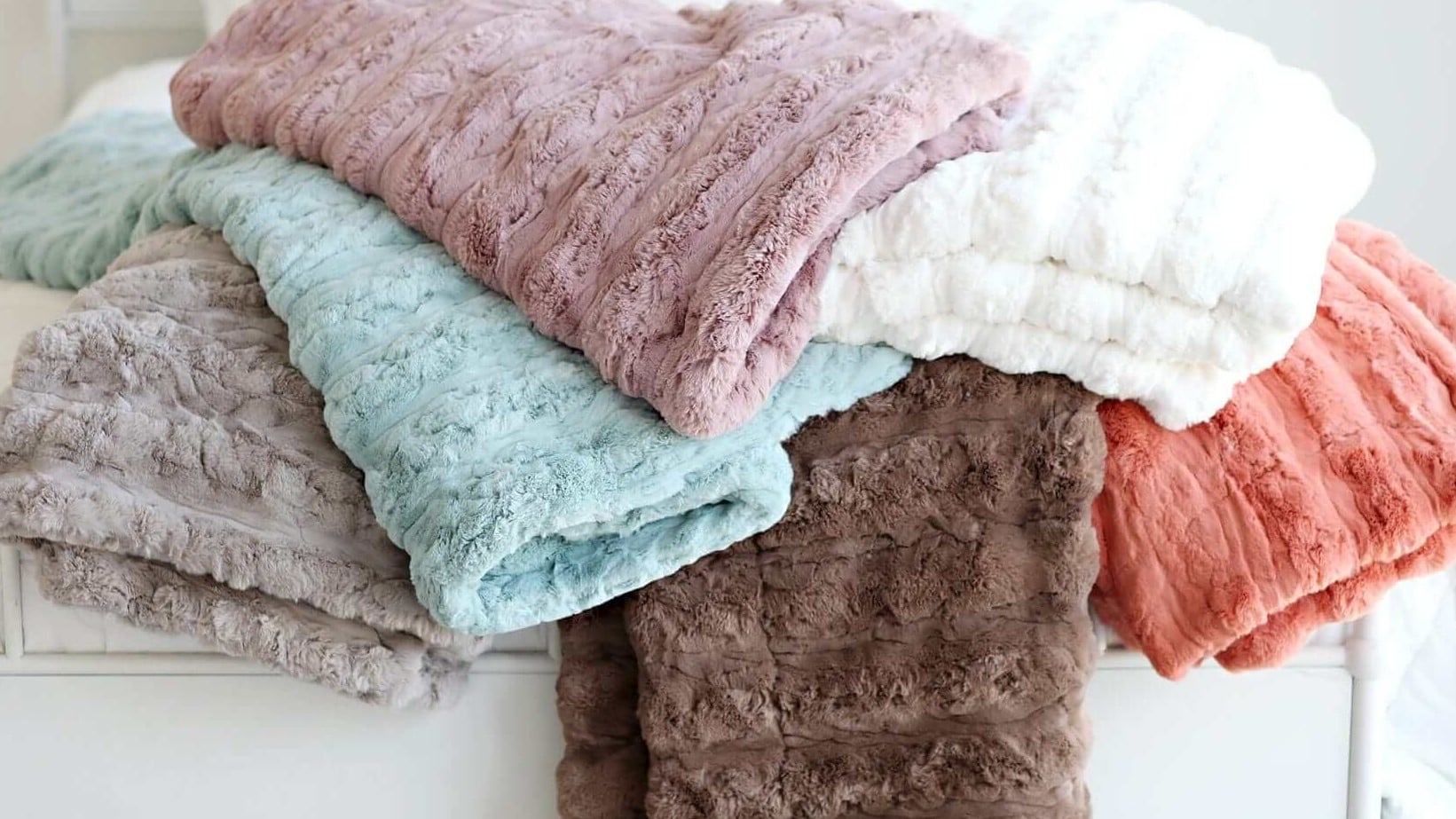
Key Takeaways
- Minky blankets are made from 100% polyester microfiber, specifically engineered to mimic the luxurious feel of velvet or cashmere.
- The raised pile construction of minky fabric creates maximum surface contact, delivering exceptional softness that often surpasses traditional cotton or fleece materials.
- Minky fabric offers superior durability with excellent stain resistance and color retention, maintaining its softness through countless washes when cared for properly.
- Proper care is crucial. Never use fabric softeners, as they damage the fibers and reduce the signature plush texture.
- Multiple minky textures are available, from smooth embossed varieties to specialty patterns like dimple dot and sherpa styles.
When shopping for the perfect blanket, understanding what makes minky fabric special can help you make an informed decision. This detailed guide examines the science behind minky's incredible softness, its unique properties, and how to maintain that luxurious feel for years to come.
100% Polyester Microfiber - The Science Behind Minky's Softness
Minky fabric is a specialized plush material crafted from 100% polyester, a synthetic microfiber specifically engineered for remarkable softness and durability. Unlike natural fibers, this man-made material excels in retaining vibrant colors while resisting stains and wrinkles that typically plague cotton or wool alternatives.
The secret lies in the microfiber construction. Each polyester strand is incredibly fine - much thinner than traditional synthetic fibers - allowing manufacturers to create an exceptionally dense weave that feels substantial yet remains surprisingly lightweight. This precise engineering process transforms ordinary polyester into the premium textile known for its signature plush texture.
What sets minky apart from standard microfiber or fleece is its specialized manufacturing process. The fabric undergoes unique treatments that enhance both its tactile properties and structural integrity.
Why Minky Fabric Feels Like Velvet or Cashmere
The unparalleled softness of minky fabric is frequently compared to velvet or cashmere, earning it the affectionate nickname "cuddle fabric." This remarkable texture results from two key manufacturing innovations that work together to create an almost impossibly soft surface.
1. Specialized Plush Construction Creates Unique Texture
The manufacturing process creates a distinctive plush surface through controlled fiber manipulation. During production, the polyester microfibers are brushed and treated to achieve optimal pile height and density. This careful attention to construction details ensures each blanket delivers consistent softness across its entire surface.
Experts from Minky Couture note that the tight weave structure prevents the fibers from matting down over time, maintaining that initial luxurious feel even after extended use. This durability factor distinguishes quality minky from cheaper alternatives that may feel soft initially but lose their texture quickly.
2. Raised Pile Fibers Maximize Surface Contact
The raised pile construction is perhaps the most crucial element in minky's sensory appeal. These upright fibers create maximum contact with skin, distributing touch sensation across thousands of individual fiber tips rather than the flat surface contact of traditional fabrics.
This design mimics the structure found in premium natural fibers like cashmere, where short, fine fibers create that coveted soft-to-the-touch experience. The synthetic version actually surpasses many natural alternatives in consistency, as each fiber maintains uniform properties throughout the fabric.
Minky Durability vs. Natural Fibers
Minky fabric demonstrates superior longevity compared to natural fiber alternatives, making it an excellent investment for those seeking long-lasting comfort. The synthetic composition provides inherent advantages that natural materials simply cannot match.
Resistance to Pilling and Wear Over Time
The robust polyester fibers resist the pilling and fuzzing that commonly affect cotton and wool blankets. This durability stems from the uniform fiber structure - each strand maintains consistent thickness and strength, preventing the weak spots that typically lead to fabric breakdown.
Proper care, including regular washing, helps maintain minky's appearance and its inherent resistance to pilling. Quality minky blankets are highly durable and can retain their original texture and appearance through many wash cycles and years of use when cared for properly, often outlasting comparable natural fiber products.
Color Retention and Stain Resistance
Polyester's molecular structure bonds exceptionally well with modern dyes, creating vibrant colors that resist fading even after prolonged sun exposure and repeated washing. This color fastness ensures minky blankets maintain their visual appeal for years.
The synthetic fibers also repel many common stains that would permanently mark natural fabrics. Spills tend to sit on the surface rather than penetrating deep into the fiber structure, making cleanup significantly easier and more effective.
Understanding Different Minky Textures and Styles
The versatility of minky fabric extends far beyond its basic soft texture. Manufacturers have developed numerous variations to suit different preferences and applications, each offering unique tactile experiences while maintaining the core comfort characteristics.
1. Smooth and Embossed Varieties
Smooth minky provides the classic silky texture most people associate with the fabric. The uniform surface offers consistent softness across the entire blanket, making it ideal for those who prefer predictable tactile feedback.
Embossed minky features subtle raised patterns pressed into the fabric during manufacturing. These designs add visual interest while creating varied texture zones that can enhance the sensory experience without compromising overall softness.
2. Dimple Dot and Raised Pattern Options
Dimple dot minky incorporates small raised bumps across the surface, creating a massage-like texture that many find particularly soothing. The dots provide gentle sensory stimulation that can contribute to relaxation.
Other raised pattern options include geometric designs, waves, and custom textures that add both visual and tactile interest. These variations maintain the signature minky softness while offering personalized comfort experiences.
3. Sherpa and Shaggy Textures
Some minky blankets may feature a sherpa-style backing, combining the plush minky surface with a fuzzy, wool-like texture for additional warmth and comfort. This dual-texture approach offers versatility for different seasons and temperature preferences.
Shaggy minky features longer pile fibers that create an ultra-luxurious texture similar to high-end faux fur. These longer fibers trap more air, providing enhanced insulation properties while delivering an indulgent tactile experience.
4. Specialty Textures
Specialty textures like Rose minky are available, and advanced manufacturing techniques continue to enable the creation of diverse minky textures. Rose texture mimics the delicate petals of flowers, offering a unique sensory experience for those seeking something beyond traditional smooth minky.
Thermal Properties - Why Minky Retains Heat Without Weight
Minky blankets excel at providing substantial warmth while remaining surprisingly lightweight, making them a cozy choice, particularly for cooler climates. This thermal efficiency results from the unique properties of microfiber polyester and the fabric's specialized construction.
Insulation Capability Compared to Other Materials
The fine polyester fibers trap air more effectively than thicker natural fibers, creating superior insulation properties. This trapped air acts as a barrier against heat loss, maintaining body temperature without requiring heavy materials that can feel restrictive or uncomfortable.
Minky provides excellent heat retention while weighing significantly less than cotton blankets of similar thickness. This efficiency makes minky particularly valuable for elderly users or those with mobility issues who need warmth without the burden of heavy bedding.
Warmth and Breathability Considerations
While minky excels at heat retention, its dense pile makes it less breathable than natural fabrics like cotton. However, as a synthetic material, it does not trap moisture in the same way some fabrics can, contributing to comfort.
Due to its warmth, minky performs best in cooler climates where consistent warmth is desired. While comfortable, its lower breathability means it may not be ideal for all sleeping environments, especially for hot sleepers.
Critical Care Instructions to Preserve Softness
Proper care is essential for maintaining minky's signature softness and extending its lifespan. Following specific washing and drying guidelines ensures the fabric retains its luxurious feel and appearance for years of continued use.
1. Cold Water Washing on Gentle Cycle
Always wash minky blankets in cold water using the gentle or delicate cycle setting. Hot water can damage the polyester fibers, causing them to lose their soft texture and become matted. Cold water effectively removes dirt and odors while protecting the fabric's integrity.
Use a mild, liquid detergent rather than powder formulas, which can leave residues that affect the fabric's feel. Avoid bleach or harsh chemicals that can break down the fiber structure and compromise the blanket's softness and color vibrancy.
2. Never Use Fabric Softeners - They Damage Fibers
This is perhaps the most crucial care tip: never use fabric softeners on minky blankets. Fabric softeners coat the individual fibers with waxy substances that actually stiffen the material and reduce its natural softness over time.
The synthetic fibers are already engineered to be soft without additional treatments. Adding fabric softener creates buildup that prevents the fibers from maintaining their natural texture and can permanently damage the blanket's luxurious feel.
3. Air Dry or No-Heat Tumble Only
High heat during drying can melt polyester fibers, permanently damaging their structure and texture. Air drying is the safest option, though it requires more time and space.
If using a dryer, select the "air fluff" or "no heat" setting only. Adding clean tennis balls or dryer balls can help maintain the fabric's loft without introducing heat damage. Remove the blanket while still slightly damp to prevent over-drying, which can damage the fibers and reduce their softness.
Minky Blankets Provide Luxury Softness with Long-Lasting Durability
Minky fabric represents a remarkable achievement in textile engineering, combining the luxurious feel of premium natural fibers with the practical benefits of modern synthetic materials. The 100% polyester microfiber construction delivers consistent softness that surpasses many traditional options while offering superior durability and easy care requirements.
Understanding the science behind minky's unique properties helps consumers make informed decisions when selecting blankets for comfort, warmth, and longevity. Whether choosing smooth textures for classic comfort or specialty patterns for enhanced sensory experiences, minky blankets provide reliable luxury that maintains its appeal through years of regular use.
The combination of thermal efficiency, stain resistance, and color retention makes minky an excellent investment for anyone seeking premium comfort without the maintenance challenges of natural fiber alternatives. With proper care, these blankets continue delivering that signature soft embrace that has made minky fabric a favorite among comfort seekers worldwide.
Minky Couture
City: Ogden
Address: 475 Depot Drive
Website: https://www.softminkyblankets.com/


Comments
Post a Comment