What Are Common Snags In Dubai? Property Inspection Experts Explain
A beautifully staged listing can make almost any property look ready to move into. Fresh paint, wide-angle photography, and carefully chosen lighting do a convincing job of presenting a finished product, and for the most part, buyers are happy to take it at face value.
The reality behind the glossy presentation is often more complicated. Newly built properties in Dubai regularly carry defects that are invisible to the untrained eye and expensive to ignore, from hairline cracks in walls to plumbing that has never been properly tested.
The listing, obviously, does not tell the full story.
What Snagging Actually Means in Dubai
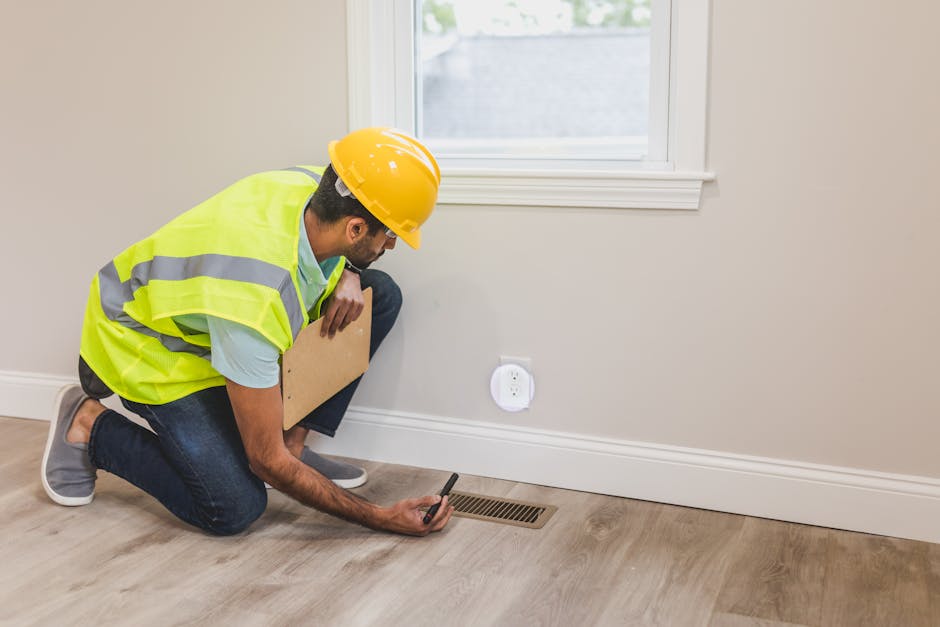
Snagging refers to the process of systematically inspecting a property for defects before the buyer takes handover. In Dubai, developers are legally required to address defects identified during a one-year defect liability period following handover, which gives buyers a narrow but important window to get problems on record and resolved at the developer’s expense.
The process involves a detailed walkthrough of the property, typically conducted by an inspector, who documents every defect against a formal snag list. That list then becomes the basis for remediation discussions with the developer.
The 5 Most Common Snag List Items in Dubai Properties
- Paint and finishing defects. Uneven coats, visible roller marks, scuffed skirting boards, and poorly finished edges around fixtures are among the most frequently logged items. They are cosmetic but widespread and often signal rushed handover timelines.
- Cracked tiles and flooring issues. Hairline cracks, lippage between tiles, and poorly sealed grout lines appear regularly across both bathrooms and living areas. Left unaddressed, they worsen with foot traffic and moisture exposure.
- Doors and windows that do not align or seal properly. Frames that were fitted slightly off-square result in doors that do not close flush and windows that allow draughts or water ingress. These are common and straightforward to fix early, but increasingly disruptive to repair after furniture is in place.
- Plumbing and drainage problems. Slow drains, inconsistent water pressure, and poorly sealed pipe joints appear on snag lists with notable regularity. Some defects only become apparent when the system is run under normal household conditions for the first time.
- Electrical faults and unfinished fixtures. Loose sockets, switches that do not correspond to the correct circuits, and light fittings that were never properly secured are consistently among the top findings. Most are minor individually, but collectively point to quality control gaps during finishing.
Why a Qualified Engineer Should Lead the Inspection
A snagging inspection is only as reliable as the person conducting it. Walking through a property with a checklist and an eye for obvious damage is not the same as a structured assessment carried out by someone who understands construction standards, building systems, and the specific defects that appear in Dubai’s climate.
A qualified engineer brings the technical knowledge to identify issues that are not immediately visible, including problems behind walls, above ceilings, and within mechanical systems. They also produce documentation that carries weight in formal conversations with developers.
The Case for an Inspector With No Ties to the Developer
There is an obvious conflict of interest when the party responsible for building a property is also the one signing off on its condition. Developer-affiliated inspections are not inherently dishonest, but they are structurally compromised, and buyers who rely on them are taking on a risk they may not fully appreciate.
An independent inspector has no commercial relationship with the developer, no incentive to minimise findings, and no reason to present the property in a more favourable light than the evidence supports.
Before You Sign Off on Handover, Get the Full Picture
Accepting handover without a snagging inspection is one of the more expensive assumptions a buyer in Dubai can make. Defects that fall within the liability period are the developer’s responsibility to fix; those discovered after that window closes become yours.
Requesting an independent snagging service before handover is not a sign of distrust. It is standard practice for buyers who understand what the process is designed to protect, and it is considerably cheaper than the alternative.
GTA Inspectors
City: Dubai
Address: Dubai
Website: https://www.gtainspectors.com/


Comments
Post a Comment