West Africa Water Crisis & Deforestation: Environmental Link Explained
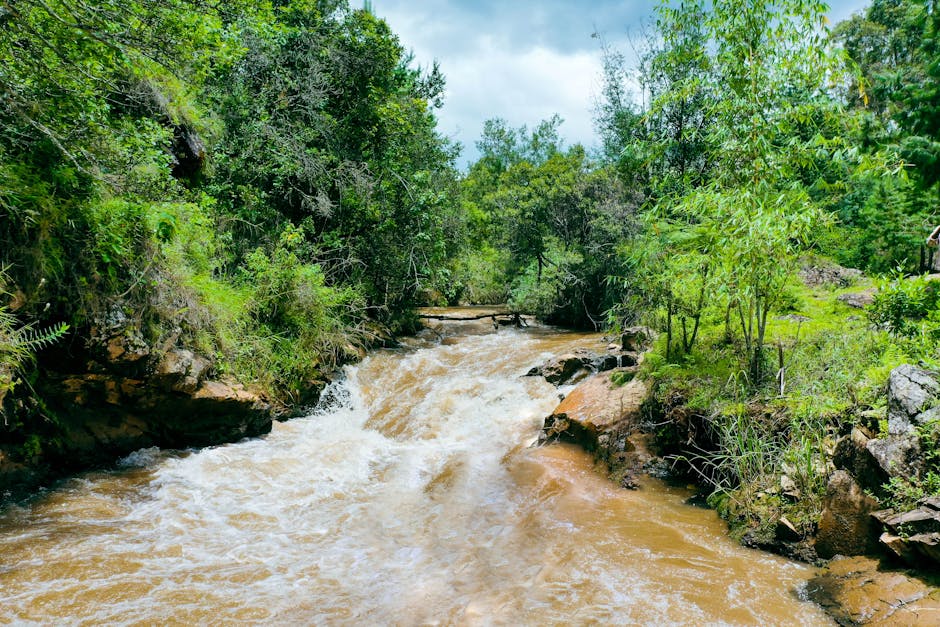
The Overlooked Link Between Forests And Water Security
Discussions surrounding water shortages in West Africa often focus on drought, infrastructure limitations, climate change, or population growth. However, environmental researchers are drawing attention to another major factor contributing to the region’s worsening water crisis: deforestation.
Forests play a critical role in regulating rainfall, protecting watersheds, preserving soil quality, and maintaining freshwater systems. When large areas of forest are removed, the surrounding environment loses much of its ability to retain water, stabilize temperatures, and naturally filter pollutants. The result can be declining surface water levels, degraded water quality, and greater pressure on already vulnerable communities.
Recent collaborative reporting from Water Aid and Tree Aid highlights how closely environmental degradation and freshwater scarcity are now connected across several West African nations.
The Numbers Behind The Crisis
The latest findings provide measurable evidence of the relationship between forest loss and water availability in countries including Ghana, Nigeria, and Niger. Some of the most significant findings include:
- For every 1,000 hectares of forest lost in Niger and Nigeria, an average of 9.25 hectares of surface water disappeared
- Approximately 45% of people living across the affected regions now live in areas where water is unsafe or insufficient for daily use
- Ghana loses an estimated 24,800 hectares of forest annually
- Nigeria loses more than 27,000 hectares of forest each year
However, the report did highlight some positive developments. In contrast to surrounding nations, Niger has gained approximately 101,000 hectares of vegetation through reforestation initiatives. For every 1,000 hectares of restored vegetation, Niger increased surface water availability by approximately 11.6 hectares. These findings are important because they demonstrate that environmental decline and water scarcity are not separate issues. Forest destruction directly affects water systems that communities rely upon for drinking, sanitation, agriculture, and daily living. But the damage can be reversed.
Why Forests Matter For Freshwater Systems
Forests act as natural water management systems. Tree roots help soil absorb and retain rainwater, reducing runoff and replenishing groundwater supplies. Vegetation also slows erosion, protects riverbanks, and helps maintain water quality by filtering contaminants before they reach streams and reservoirs.
When forests are cleared for logging, agriculture, or development, these natural protections weaken. Rainwater runs off more quickly rather than being absorbed into the soil, increasing both flooding and drought vulnerability. Sediment and pollutants enter rivers more easily, while rising temperatures increase evaporation from already limited water sources.
In many parts of West Africa, communities are now experiencing the cumulative effects of these environmental pressures. Water sources may become seasonal, contaminated, or unreliable, particularly in rural regions where infrastructure investment remains limited.
The Human Impact Of Water Insecurity
Water shortages affect far more than household drinking supplies. Limited access to safe water influences public health, food security, education, and economic stability.
Unsafe water conditions increase the spread of waterborne illnesses and make sanitation more difficult to maintain. Children are particularly vulnerable to diseases linked to contaminated water and poor hygiene access. According to UNICEF West And Central Africa, millions of children across the region face inadequate access to clean water and sanitation facilities.
Water scarcity also creates social and economic strain. In many communities, women and children spend hours collecting water each day, limiting educational opportunities and reducing time available for income-generating activities.
Agriculture is similarly affected. Farmers relying on rivers, rainfall, and shallow groundwater face increasing uncertainty when water supplies decline or become less predictable. This can contribute to food insecurity, migration pressures, and economic instability across already vulnerable regions.
Reforestation Is Showing Measurable Results
While the overall picture remains concerning, the findings from Niger offer a more optimistic example of environmental recovery.
Unlike neighboring countries experiencing continued forest loss, Niger has implemented large-scale vegetation restoration efforts over recent years. The reported increase in surface water linked to reforestation demonstrates that ecosystem recovery can produce measurable improvements in water availability.
This is particularly important because it shifts environmental restoration from a purely theoretical discussion into something practical and observable. Reforestation is not simply about increasing tree coverage for environmental symbolism. In regions facing water stress, restoring vegetation can directly support freshwater systems that communities depend upon. These improvements may also help strengthen climate resilience by stabilizing soil conditions, reducing erosion, and improving long-term agricultural sustainability.
Why Long-Term Solutions Require Environmental Restoration
The relationship between forests and freshwater systems demonstrates how environmental degradation can eventually become a humanitarian and public health issue. Clean water access depends not only on wells, pipelines, and treatment systems, but also on the health of the ecosystems surrounding them.
Charities and NGOs are appealing for much-needed support for affected West African communities. However, the evidence suggests that their efforts could be short-lived unless deforestation is curtailed. Long-term, sustainable improvements in water access will require a combination of infrastructure investment, conservation efforts, sustainable land management, and wide-spread ecosystem restoration to be truly effective.
SYNERGY HEALS
City: Bellingham
Address: 114 West Magnolia Street #400-135
Website: https://www.synergyheals.org


Comments
Post a Comment