Water Scarcity in West Africa: How Your Charitable Donations Change Lives
Key Takeaways
- Charitable donations are creating measurable improvements in West Africa's water crisis, with organizations like World Vision providing clean water access to nearly 2 million people in just one year.
- Clean water projects directly break health crisis cycles by eliminating cholera outbreaks in schools and reducing child mortality from waterborne diseases.
- Girls' education improves dramatically when schools receive WASH facilities, as reduced illness and water collection burdens allow more classroom time.
- Every donation funds scalable solutions, including solar-powered wells, local training programs, and monitoring technology that creates lasting change across multiple communities.
West Africa faces one of the world's most challenging water crises, affecting over 400 million people in Sub-Saharan Africa who lack access to basic drinking water services. Yet amid this overwhelming need, charitable donations are creating remarkable success stories that prove every dollar contributed makes a tangible difference in communities from Sierra Leone to Nigeria.
Water Organizations Create Measurable Impact Across Sierra Leone, Liberia, and Ghana
The transformation happening across West Africa tells a powerful story of what focused charitable giving can accomplish. In Sierra Leone, Hope Rising Together has installed and maintained 167 wells since 2009, serving 63,000 people with reliable access to clean water as of January 2026. This USA-based nonprofit is a strong example of how sustained commitment creates lasting change — communities here previously walked hours to reach contaminated water sources.
Liberia showcases perhaps the most dramatic success story in the region. The Last Well achieved its ambitious 12-year goal of providing full basic access to clean water for all communities throughout the country. Every resident now lives within a 15-minute walk of a clean water well - a transformation that seemed impossible when the organization began its work.
Ghana's progress through Water for West Africa (WFWA), powered by Ghana West Africa Missions (GWAM), demonstrates how sustainable WASH solutions create ripple effects beyond water access. Their approach addresses water, sanitation, and hygiene education simultaneously, creating positive impacts on education, economic prosperity, and overall community resilience that last for generations.
How Wells and WASH Programs Break Health Crisis Cycles
Clean water access creates immediate, life-saving health improvements that charitable donors can see in real-time statistics and community reports. The health transformation begins the moment communities gain access to safe drinking water sources.
Reducing and Preventing Cholera Outbreaks in School Communities
The Louisville Filtered Water Project in Kumasi, Ghana, implemented by the Sisters of St. Louis, provides a perfect example of how targeted water investments eliminate disease outbreaks. Since providing clean drinking water to 13 schools and thousands of community members, the project has eliminated cholera outbreaks in the area. This dramatic health improvement shows how strategic placement of water infrastructure protects entire populations from preventable diseases.
Reducing Child Mortality from Waterborne Disease
Waterborne diseases represent one of the leading causes of child mortality in West Africa, but clean water projects create immediate reductions in these preventable deaths. When communities gain access to safe drinking water, families report dramatic decreases in diarrheal diseases, which particularly affect children under five years old. The impact extends beyond individual families to entire communities as disease transmission cycles break down.
Breaking the Water Collection Burden for Women
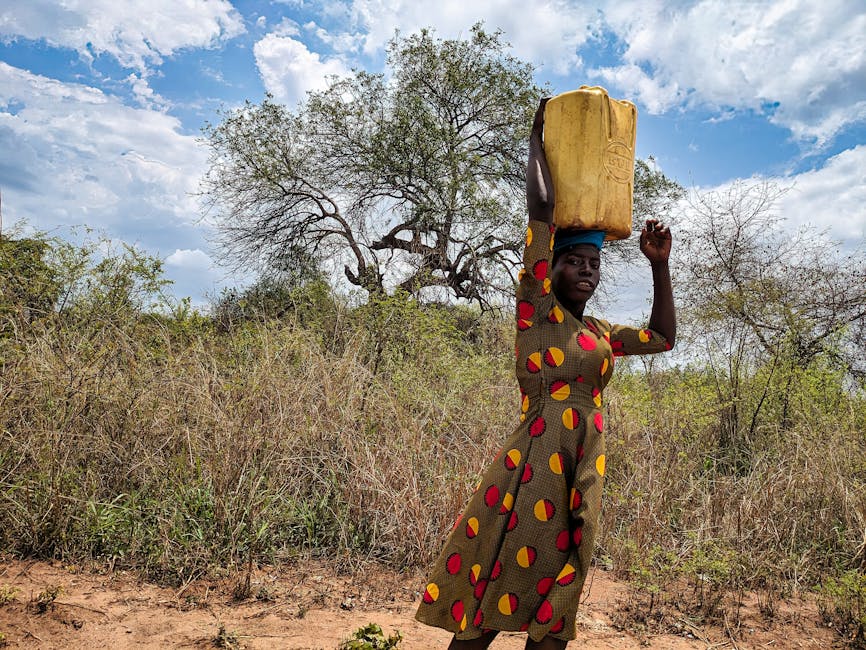
Clean water initiatives fundamentally transform gender dynamics in West African communities by eliminating the daily burden of water collection that typically falls on women and girls. When wells are installed within walking distance of homes, women gain 40 billion hours annually that were previously spent fetching water from distant sources. This time, freedom allows women to pursue education, income-generating activities, and community leadership roles that were previously impossible.
Education Access Jumps When Clean Water Reaches Schools
The connection between clean water and education access creates some of the most compelling evidence for charitable giving impact. Schools with WASH facilities see immediate improvements in attendance rates and academic performance across all grade levels.
Girls' Attendance Increases with School WASH Facilities
The Batonga Foundation's WASH project in three schools in Benin, West Africa, implemented alongside Africare and African Well Fund, specifically addresses how the lack of clean water and sanitation facilities prevents children, especially girls, from attending school. When schools receive proper WASH facilities, girls' attendance rates increase dramatically because they no longer miss school during menstruation due to inadequate sanitation facilities. The privacy and dignity provided by proper facilities remove a major barrier to girls' education.
Reduced Illness Means More Classroom Time
Students in schools with clean water access spend significantly more time in classrooms because waterborne illnesses decrease substantially. Teachers report fewer absences due to stomach problems, diarrhea, and other water-related health issues. This consistent attendance allows students to progress through their studies without the frequent interruptions that plague schools dependent on contaminated water sources.
Scaling Solutions Across Africa's Water Crisis Affecting Over 400 Million
The most successful charitable water organizations focus on scalable solutions that can be replicated across multiple communities and countries. These approaches maximize the impact of every donated dollar while building sustainable systems for long-term success.
Solar-Powered Wells for Remote Communities
Solar-powered well technology represents a breakthrough for remote communities that lack electrical grid access. Saudi Arabia's planned funding for 78 solar-powered wells in Nigeria demonstrates how renewable energy solutions create sustainable water access without ongoing fuel costs. These systems operate independently of external power sources, making them ideal for rural communities that traditional electric pumps cannot serve.
Multi-Organization Partnerships Amplify Impact
The West Africa Water Initiative (WAWI), involving USAID and UNICEF, shows how partnerships between government agencies and charitable organizations multiply impact across Ghana, Mali, and Niger. These collaborations combine governmental resources with nonprofit efficiency to increase access to sustainable, safe water and environmental sanitation while reducing water-borne diseases. The coordinated approach prevents duplication of efforts while ensuring coverage.
Long-Term Sustainability Through Local Training
The Turkiye Diyanet Foundation's approach to well drilling in Niger's Maradi region emphasizes sustainability, with wells designed to last up to 20 years. Each of their 73 wells in the country serves approximately 3,000 people, but the local capacity building ensures these systems continue operating long after the initial installation. This training component transforms one-time charitable donations into decades of community benefit.
Technology Innovation in Water Monitoring
Modern charitable water projects incorporate technology innovations that improve monitoring and maintenance of water systems. Mobile applications and remote sensors allow organizations to track well performance, identify maintenance needs, and ensure consistent water quality across multiple locations. These technological advances help donated funds achieve maximum efficiency and long-term impact.
Success Stories Prove Every Dollar Creates Measurable Change
Real-world results from charitable water projects across West Africa demonstrate the concrete impact that individual donations create when channeled through effective organizations. These success stories provide donors with clear evidence that their contributions make measurable differences in people's lives.
Nigeria School Project Shows Thousands Benefit Directly
NGOs like PHAAE have successfully implemented drilling projects in Nigeria, with some school projects initially designed for hundreds of students now benefiting thousands of community members, such as a project in Kunyami, Abuja, which serves over 5,000 people. These school-based projects create multiplier effects where clean water access spreads beyond the immediate school population to benefit entire neighborhoods. The strategic placement of wells at schools ensures maximum community impact while prioritizing children's health and education.
World Vision Reaches Nearly 2 Million People in a Single Year
World Vision's West and Central Africa WASH Program provided clean water access to 1.9 million people in 2024 alone, demonstrating the scale that established charitable organizations can achieve with adequate funding. Their implementation of long-term sustainability measures ensures these investments continue benefiting communities for years beyond the initial installation. This massive reach shows how individual donations contribute to continent-wide transformation when channeled through experienced organizations.
What Donations Have Already Achieved — and What Comes Next
The evidence from across West Africa proves that charitable donations create immediate, measurable improvements in health, education, and community well-being. From Hope Rising Together's 167 wells serving over 63,000 people in Sierra Leone to The Last Well's complete transformation of Liberia's water access, every contribution builds toward a future where clean water reaches every community.
The scalable solutions being implemented today - solar-powered wells, WASH programs, and local training initiatives - ensure that donations create lasting change rather than temporary relief. Organizations working in Nigeria, Ghana, Benin, and across the region have proven that strategic investments in water infrastructure break cycles of disease, improve educational outcomes, and empower women and girls.
The infrastructure to scale these successes already exists — organizations like World Vision are reaching nearly 2 million people per year, and projects like PHAAE's wells in Nigeria and the Turkiye Diyanet Foundation's work in Niger show what's possible when funding reaches the right programs. For anyone looking to understand where donations go and how they're used, the track record across West Africa makes for a compelling case.
SYNERGY HEALS
City: Bellingham
Address: 114 West Magnolia Street #400-135
Website: https://www.synergyheals.org


Comments
Post a Comment