Tank vs. Tankless Water Heaters: Plymouth, MA Experts Compare Pros & Cons
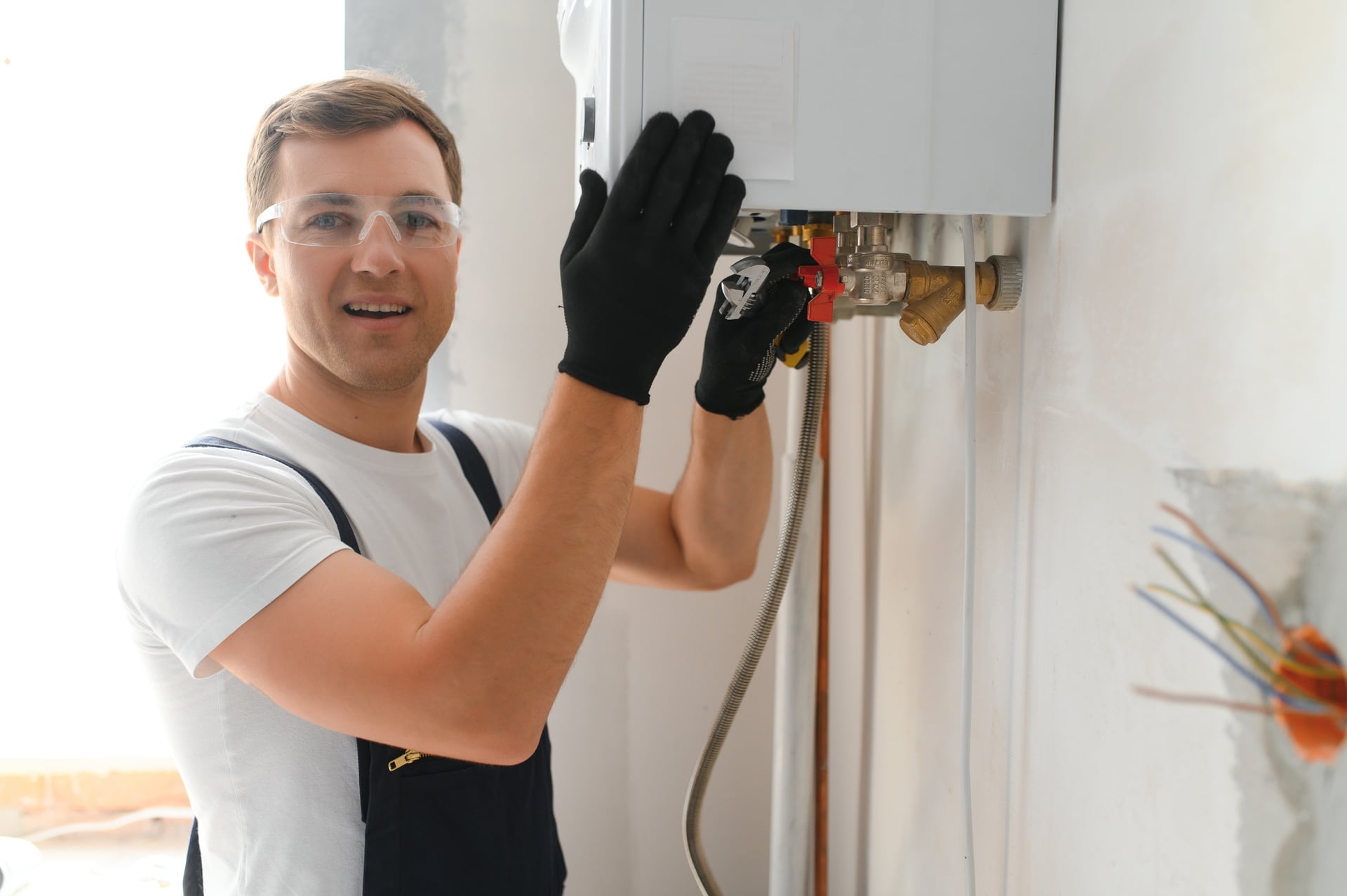
For homeowners facing a water heater replacement or new installation, the choice between a traditional tank unit and a modern tankless system is one of the most consequential decisions in home comfort. Both technologies have evolved significantly over the years, and both carry distinct advantages and disadvantages depending on your household's size, usage habits, and budget. Here is a breakdown to help guide that decision.
How Each System Works
A traditional tank water heater stores a fixed volume of water, typically between 30 and 80 gallons, and keeps it heated continuously, ready for use at any time. When hot water is drawn, cold water enters the tank to be reheated.
A tankless water heater (also called an on-demand or instantaneous heater) heats water only when a tap is opened. Cold water passes through a heat exchanger powered by gas or electricity, delivering hot water without any storage reservoir.
Tank Water Heaters: Pros and Cons
Plymouth, MA-based experts from 8th Bend Plumbing, Heating, and Cooling compare the pros and cons of each model. The key advantages of a tank water heater that they list include:
- Lower upfront cost: Tank units are significantly less expensive to purchase and install, often ranging from $300 to $1,000 for the unit itself, with straightforward installation in most homes.
- Proven reliability: Tank heaters have a long track record and are familiar to virtually all plumbers, making repairs and maintenance widely accessible.
- High flow rate: Because water is pre-heated and stored, a tank system can supply multiple fixtures simultaneously without a drop in performance, provided the tank capacity is not exceeded.
- Simpler installation: Existing gas lines, venting, and electrical connections typically accommodate tank replacements without major modifications.
The key disadvantages of a tank water heater include:
- Standby heat loss: Keeping 40 to 80 gallons of water hot around the clock consumes energy even when no hot water is being used, a phenomenon known as standby loss.
- Limited supply: Once the stored hot water is depleted, occupants must wait, typically 20 to 40 minutes, for the tank to recover.
- Shorter lifespan: Most tank heaters last 8 to 12 years before requiring replacement, largely due to sediment buildup and tank corrosion.
- Larger footprint: Tank units require dedicated floor space, which can be a constraint in smaller homes or utility closets.
Tankless Water Heaters: Pros and Cons
The key advantages of a tankless water heater include:
- Energy efficiency: Without the need to maintain a reservoir of hot water, tankless systems eliminate standby heat loss. Depending on household usage, energy savings of 24% to 34% are possible compared to tank units, according to the U.S. Department of Energy.
- Endless hot water: Because water is heated on demand, there is no risk of running out, a meaningful benefit for larger households or homes with heavy usage.
- Longer lifespan: Tankless units typically last 15 to 20 years or more with proper maintenance, offering a longer return on investment.
- Space savings: Wall-mounted tankless units are compact, freeing up valuable utility space.
The key disadvantages of a tankless water heater include:
- Higher upfront cost: Tankless systems carry a premium price, often $500 to $1,500 or more for the unit, and installation costs can be substantial if gas line upgrades, new venting, or electrical panel changes are required.
- Limited simultaneous output: A single tankless unit may struggle to meet peak demand in larger households running multiple hot water sources at once. This can be addressed with multiple units or a whole-house system sized appropriately, but it adds to the cost.
- Inconsistent performance in cold climates: Colder winters mean incoming groundwater temperatures drop significantly, which can reduce a tankless unit's effective output unless the unit is appropriately sized for cold-climate conditions.
- More complex maintenance: Annual descaling is recommended, particularly in areas with hard water, and repairs typically require specialized technicians.
Which Is Right for Your Home?
For smaller households with modest hot water demand and tighter installation budgets, a tank heater remains a practical, cost-effective choice. For larger families and those prioritizing energy efficiency, the higher initial investment of a tankless system may prove worthwhile over time.
Consulting with a licensed plumber familiar with local water conditions and code requirements is advisable before making a final decision. Every home's plumbing infrastructure, fuel source, and usage patterns are different, and the right choice depends on those individual factors, not a one-size-fits-all recommendation.
8th Bend Plumbing Heating and Cooling
City: Plymouth
Address: 118 Long Pond Rd Unit J
Website: https://8thbendplumbing.com/
Phone: +1 508 684 2436
Email: info@8thbendplumbing.com


Comments
Post a Comment