Silk Crepe vs Silk Satin: Differences, Prices, Pros & Cons
Key Takeaways
- Texture and appearance differ dramatically: Silk satin offers a glossy, one-sided shine with fluid drape, whilst silk crepe features a matte, textured finish with subtle structure.
- Price points vary significantly: Silk satin typically costs £38-£85 per metre, while silk crepe ranges from £13-£40 per yard (approximately £14-£44 per metre), with premium Mulberry silk commanding higher prices.
- Silk grade trumps weave choice: The underlying silk quality (Grade 6A Mulberry with 20-30 momme count) matters more than whether you choose satin or crepe for long-term satisfaction.
- Environmental considerations: Both fabrics can be sustainably produced using responsible sericulture methods, making them eco-friendly alternatives to synthetic textiles.
- Care requirements: Both weaves demand gentle handling and specific washing techniques to maintain their luxurious properties and longevity.
When shopping for luxury silk products, particularly bedding, the choice between silk crepe and silk satin often comes down to personal preference for appearance and texture. However, understanding the fundamental differences between these two weaves—and more importantly, the quality of silk behind them—can transform your purchasing decision from guesswork into an informed investment.
Texture, Shine & Drape Differences Explained
Silk Satin's Glossy One-Sided Shine
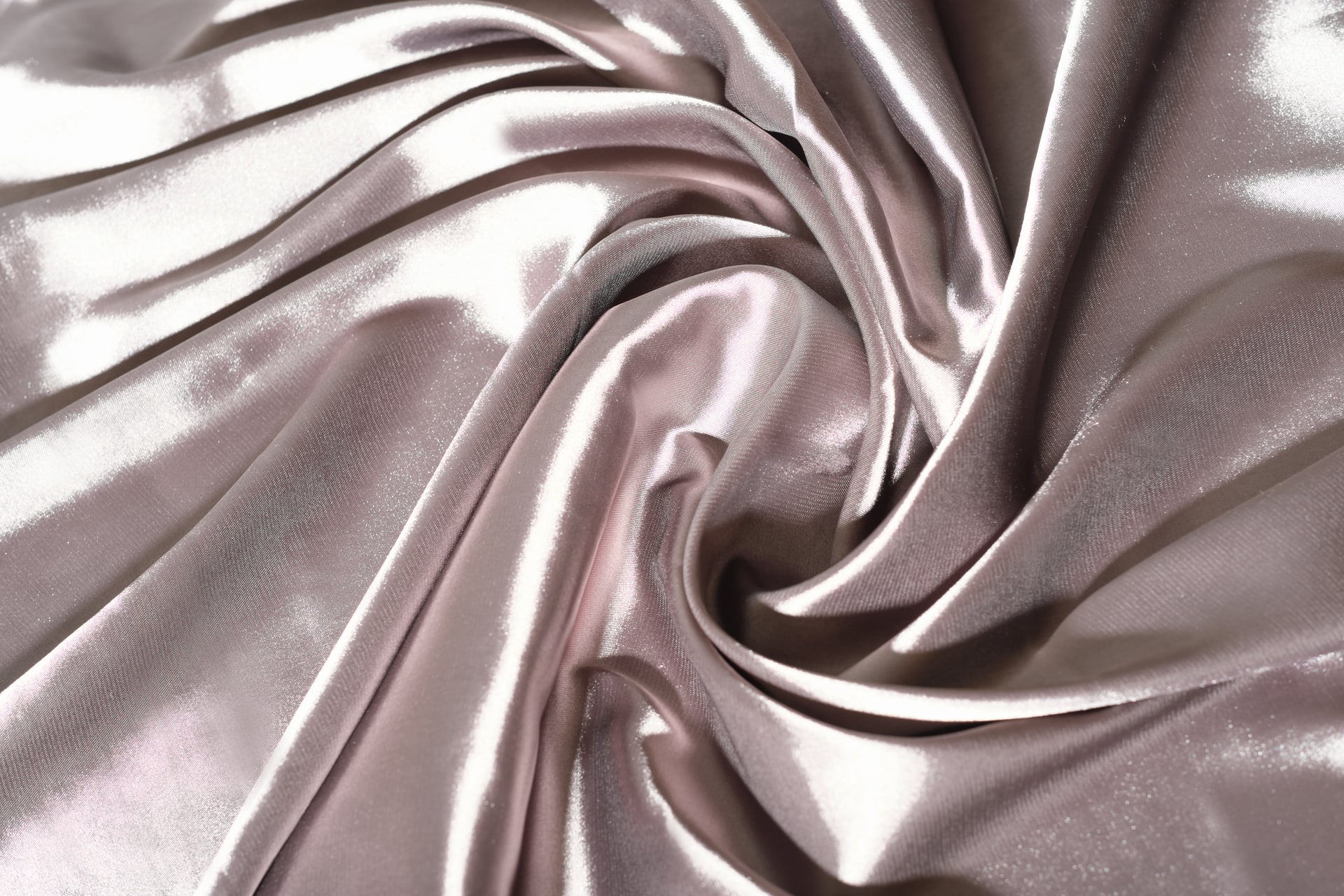
Silk satin delivers that unmistakable lustrous finish that catches and reflects light beautifully. The weave creates a smooth, almost mirror-like surface on one side, whilst the reverse remains comparatively muted. This asymmetrical shine makes satin the go-to choice for glamorous eveningwear, luxury lingerie, and statement bedding pieces.
The surface feels remarkably smooth to the touch—almost slippery—which contributes to its reputation for being gentle on hair and skin. This ultra-smooth texture results from the satin weave structure, where the weft threads float over multiple warp threads before diving under just one, creating that characteristic glossy surface.
Silk Crepe's Matte Textured Finish
Silk crepe takes a completely different approach to luxury. Instead of shine, it offers a sophisticated matte finish with a subtly crinkled or pebbled texture across both sides of the fabric. This texture isn't harsh or rough—rather, it provides a gentle, tactile interest that feels refined and understated.
The crepe weave achieves this texture through tightly twisted yarns that create natural irregularities in the fabric surface. These micro-variations give crepe its characteristic ability to catch light softly rather than reflecting it directly, resulting in a more subdued, elegant appearance that works beautifully in both casual and formal settings.
How Each Drapes Differently
Drape characteristics reveal another key distinction between these silk weaves. Silk satin flows with an almost liquid quality, conforming closely to contours and moving with remarkable fluidity. This makes it exceptional for garments that need to skim the body or bedding that benefits from a flowing, luxurious feel.
Silk crepe, meanwhile, maintains more structural integrity whilst still offering elegant drape. It holds its shape better than satin, making it ideal for tailored pieces that need definition or bedding that benefits from a more substantial feel.
Cost Comparison Per Metre
Silk Satin Pricing (£38-£85)
Silk satin occupies the premium end of the silk market, with prices typically ranging from £38 to £85 per metre for quality fabric. Premium options, particularly those featuring thick, heavy weaves with high momme counts, command the upper end of this range. The glossy finish and complex weaving process contribute to these higher costs.
High-quality silk satin around the £70-£75 per metre mark often represents the sweet spot for luxury applications, offering the lustrous finish and smooth texture that satin enthusiasts seek without venturing into ultra-premium territory. However, these prices can vary significantly based on the silk grade, momme weight, and manufacturing standards.
Silk Crepe Pricing (£13-£40 per yard)
Silk crepe generally offers more accessible pricing, typically ranging from £13-£40 per yard (approximately £14-£44 per metre) for high-quality Mulberry silk crepe. This price advantage stems partly from the textured surface being more forgiving of minor imperfections that might be visible in satin's smooth finish.
The most significant factor in crepe pricing remains the underlying silk quality rather than the weave itself. Pure Mulberry silk crepe commands higher prices than blended alternatives, but even premium crepe rarely reaches the peak pricing of equivalent satin fabrics, making it an attractive option for those seeking luxury without the highest price point.
Silk Satin Advantages & Drawbacks
What Makes Satin Appealing
Silk satin's appeal centres on its exceptional smoothness and visual impact. The fabric feels incredibly soft against skin, making it particularly valued for bedding applications where comfort matters most. Its hypoallergenic properties and natural breathability enhance these comfort benefits, whilst the cool-to-touch sensation provides additional appeal in warmer climates.
From an aesthetic perspective, satin's high-gloss finish creates an undeniably luxurious appearance that works beautifully for formal occasions and premium home textiles. The fabric's ability to reflect light adds depth and richness to colours, making even simple designs appear more sophisticated.
Potential Downsides to Consider
Despite its luxury appeal, silk satin presents several practical challenges. The asymmetrical shine limits design flexibility, as only one side offers that characteristic lustre. The smooth surface, whilst comfortable, can be surprisingly slippery during sewing and may shift position more easily than textured alternatives.
Care requirements add another consideration—silk fabrics require gentle handling, and the smooth surface can snag on rough surfaces or jewellery. Most high-quality silk satin requires either professional dry cleaning or extremely gentle hand washing to maintain its appearance and texture over time.
Silk Crepe Benefits & Limitations
Why Choose Crepe
Silk crepe offers several practical advantages that make it particularly appealing for everyday luxury. The matte, textured surface naturally resists wrinkles, making it more forgiving for travel and storage. Its subtle sophistication works across seasons and occasions, from casual daywear to elegant evening pieces.
The balanced drape provides excellent versatility—crepe offers enough structure for tailored applications whilst maintaining the fluid movement expected from silk. Additionally, the matte finish tends to be more forgiving for everyday wear compared to satin's reflective surface.
Where Crepe Falls Short
Silk crepe's limitations primarily revolve around aesthetic preferences and care requirements. The matte finish, whilst sophisticated, lacks the dramatic visual impact that satin provides. For those seeking that unmistakable silk lustre, crepe simply cannot deliver the same effect.
Care challenges persist with crepe, particularly for pure silk varieties that typically require hand washing or dry cleaning. Silk fabrics, including crepe, can present sewing challenges due to their delicate nature, though the textured surface may provide slightly more grip than satin's slippery finish.
Why Silk Grade Matters More Than Weave
Understanding Momme Count (20-30 Momme Ideal)
Momme count represents the weight and density of silk fabric, measured as the weight in pounds of a 45-inch by 100-yard piece. This Japanese measurement system provides crucial insight into fabric quality, with higher momme counts generally indicating denser weaves, thicker individual fibres, and more durable construction.
For luxury bedding applications, momme weights between 20 and 30 offer the ideal balance. The 22-25 momme range particularly excels, providing sufficient density for durability whilst maintaining the softness and drape that makes silk bedding so appealing. Lower momme counts may feel flimsy, whilst higher counts can become unnecessarily heavy for most applications.
Grade 6A Mulberry Silk Benefits
Grade 6A Mulberry silk represents the pinnacle of silk quality, offering exceptional smoothness, durability, and performance characteristics. This grade comes from silkworms fed exclusively on mulberry leaves, producing longer, finer, and more uniform fibres than alternative silk sources.
The benefits extend beyond mere luxury—Grade 6A silk provides superior breathability for temperature regulation, enhanced hypoallergenic properties for sensitive skin, and exceptional durability that justifies the investment. Whether woven into satin or crepe, this grade of silk delivers consistent performance that lower grades simply cannot match.
Environmental Impact of Silk Production
Sustainable Silk Benefits
Silk production, when managed responsibly, offers significant environmental advantages over synthetic alternatives. Sustainable sericulture methods aim to minimise water usage and environmental impact, whilst mulberry trees help capture carbon from the atmosphere throughout their growth cycle. The production process generates remarkably little waste, with leftover materials finding uses in livestock feed, fertiliser, and even skincare products.
As a natural protein fibre, silk biodegrades completely within 1-5 years in soil conditions, contrasting sharply with synthetic fibres that persist for hundreds of years. This biodegradability, combined with the longevity of well-made silk products, creates a sustainable luxury option that minimises long-term environmental impact.
Conventional Production Concerns
Traditional silk production methods can present environmental challenges, particularly around water usage and chemical inputs. Conventional processing often involves significant water consumption and potential pollution from chemical treatments used in spinning and finishing processes.
Energy consumption during production and ethical concerns regarding silkworm treatment add complexity to the environmental equation. However, these concerns primarily affect lower-quality production methods, whilst premium silk producers increasingly adopt sustainable practices that minimise environmental impact whilst maintaining luxury quality standards.
Choose Based on Grade Quality, Not Just Appearance
The fundamental choice between silk crepe and silk satin often overshadows the more critical decision about underlying silk quality. Whilst the weave determines aesthetic qualities—glossy satin versus matte crepe—the silk grade determines how the fabric feels against skin, how long it lasts, and how well it performs over time.
A high-quality crepe woven from Grade 6A Mulberry silk will consistently outperform lower-grade satin in terms of comfort, durability, and skin benefits. This principle becomes particularly important for bedding, where the fabric maintains direct contact with skin and hair throughout the night.
Smart shoppers focus first on silk grade and momme weight, then select the weave that matches their aesthetic preferences. This approach ensures satisfaction with both the immediate feel and long-term performance of silk purchases, whether choosing the understated elegance of crepe or the dramatic lustre of satin.
Mayfairsilk
City: London
Address: 13 Hanover Square
Website: https://www.mayfairsilk.com


Comments
Post a Comment