Organic vs. Synthetic Fertilizers: Which Is Better For Plant Growth?
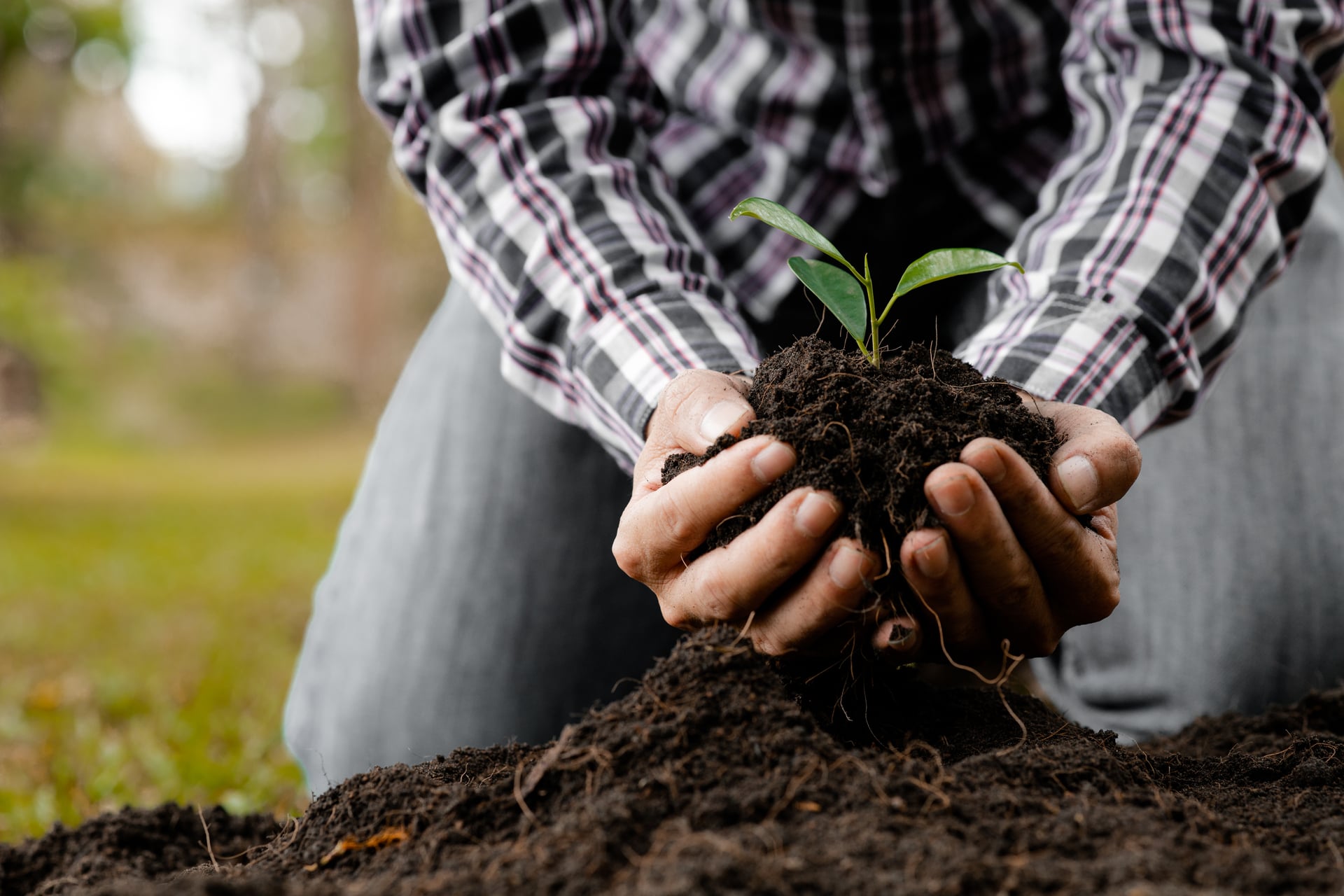
“Organic is good.” This is the sentiment that most consumers believe, and for good reason. Organic products are generally better for the environment and for people, so the choice should be an easy one. But the debate is actually more nuanced than that, especially for gardening. So what’s the best choice? A synthetic fertilizer or an organic fertilizer?
Organic vs. Synthetic Fertilizers
Before you make a decision, it’s important to understand the difference between organic and synthetic fertilizers.
Synthetic fertilizers have been used in agriculture since the Industrial Revolution. Created from minerals and inorganic waste products, these types of fertilizers are designed to nourish crops with concentrated forms of the three main nutrients that plants require for growth: nitrogen, phosphorus, and potassium.
However, studies by EOS Data Analytics and other industry experts have found that the effect of synthetic fertilizers is often short-lived because these products lack the micronutrients that are also required for plant growth; moreover, overusing these fertilizers can result in root and foliage burn due to high salt content.
Conversely, organic fertilizers are designed to feed the soil rather than the plant, increasing biodiversity and organic matter content. GS Plant Foods says that boosting soil organism activity leads to improvements in nutrient availability and soil structure, including porosity and water retention, creating a more favorable environment for nutrient uptake and deep root growth. Additionally, organic products will not burn the roots or leaves of plants, making them safe for use in higher concentrations.
Do note that organic fertilizers take longer to work, and you’ll likely have to use more to give your plants a noticeable boost. They also tend to be more expensive, so if budget is a concern for you, you might still want to go with synthetic fertilizers.
Types of Organic Fertilizers
Finding the right synthetic fertilizer is pretty straightforward: if you want healthier foliage, you buy a nitrogen fertilizer; if you want more fruits or flowers, you buy a phosphorus fertilizer. On the other hand, organic fertilizers come in many shapes and forms, the most common being kelp fertilizers, fish fertilizers, and humic acid.
Kelp Fertilizers
Kelp fertilizers are packed with minerals, vitamins, and amino acids. Since they’re derived from seaweed, they’ll have the natural growth hormones and biostimulants that land plants use, making them effective choices for organic gardening.
Fish Hydrolysate
Fish hydrolysate is also worth considering. These fertilizers are made by cold-processing either whole fish or parts of fish that aren’t consumed by humans, and they’re full of nutrients, amino acids, and lipids that can be broken down by soil organisms for plants to use.
Humic Acid
Humic acid is a broad term that refers to a group of organic humic substances that are also excellent for improving soil health. In fact, humic acid is used as an amendment rather than a fertilizer, but it still indirectly boosts plant health by adding organic matter (especially carbon) to the soil, giving beneficial soil organisms something to feed on. All these benefits lead to improved nutrient uptake and water retention, which is good for plants.
If you’re interested in organic gardening, you can purchase these to use separately or in your own custom fertilization program. Some products, like GS Plant Foods’ Liquid Love All-Natural Plant Food, even combine all three together if you don’t want to do it yourself.
No matter which product you choose, make sure you always apply your fertilizer according to the manufacturer’s instructions. This will help you get the intended results.
GS Plant Foods
City: Lake Mary
Address: 4300 West Lake Mary Boulevard
Website: https://gsplantfoods.com/


Comments
Post a Comment