Oakton Indian Restaurant Reveals What To Order For An Authentic Meal Experience
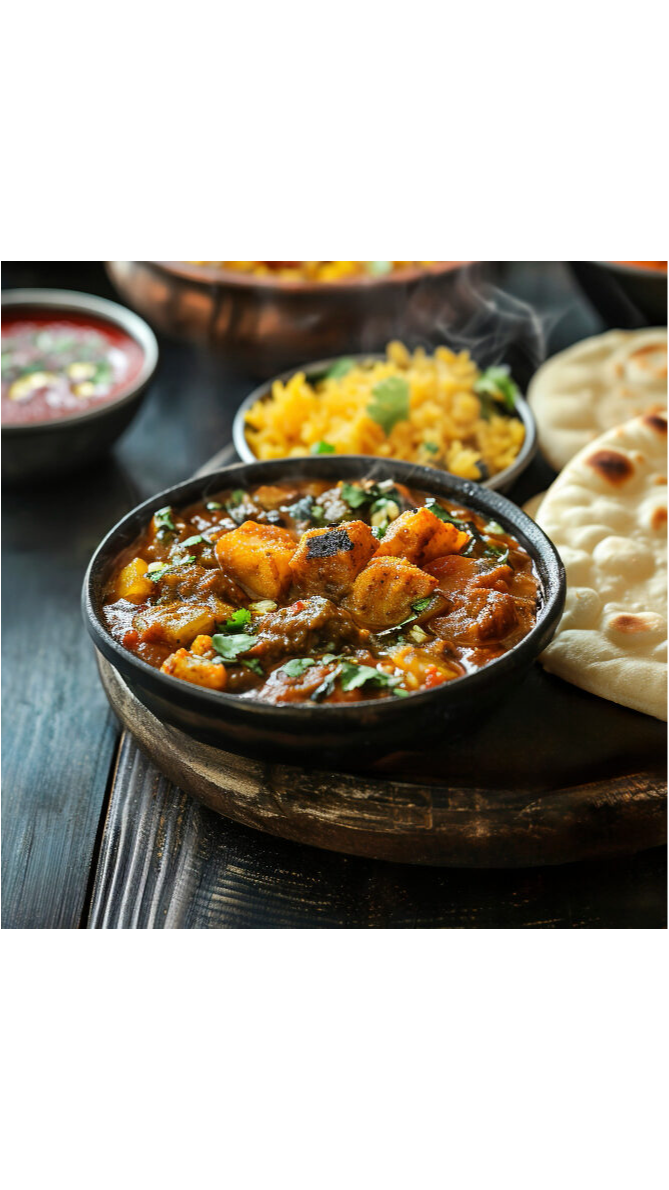
Walking into an Indian restaurant for the first time can feel overwhelming. The menu reads like a foreign language, filled with unfamiliar terms and dishes that sound exotic but mysterious. Yet behind every Sanskrit name lies a simple, delicious combination of ingredients that tells a story about regional traditions, cooking methods, and flavor profiles.
Understanding Common Indian Terms on Restaurant Menus
Indian restaurant menus become much less intimidating once the basic terminology is decoded. Most dish names actually describe their main components or cooking methods, making them easier to understand than they initially appear.
Masala simply means a blend of spices. When diners see "chicken tikka masala" on the menu, they are looking at chicken pieces (tikka) cooked in a spiced sauce. Curry, in Western usage, refers to any saucy dish, typically made with a base of onions, ginger, garlic, and often tomatoes, combined with various spices. In India, dishes are usually referred to by their specific names rather than the general term 'curry'. Dal means lentils and describes the protein-rich stew that's a staple in Indian cuisine.
Paneer is a fresh, non-melting cheese that absorbs flavors beautifully, making it perfect for vegetarian dishes. Saag refers to leafy green vegetables, often a combination of greens like spinach, mustard greens, or fenugreek, while aloo means potatoes and gobi means cauliflower (and sometimes cabbage). Understanding these building blocks helps predict what any dish will contain before ordering.
North vs South Indian Cuisine: What to Expect
India's vast geography creates distinct culinary regions, but most restaurants offer a blend that represents both major styles. The spice experts at Rasoi explain that understanding regional differences helps diners make more informed choices about flavors and preparation methods for a more authentic and flavorful experience.
Northern Indian Characteristics: Rich and Creamy
Northern Indian cuisine developed in cooler climates where dairy products and wheat thrive. These dishes feature rich, creamy gravies made with yogurt, cream, or butter. Popular Northern dishes include butter chicken, rogan josh, and various kormas that use ground nuts to create luxurious, thick sauces.
The bread culture dominates Northern menus. Naan, roti, and various stuffed breads serve as both utensils and accompaniments. Tandoor cooking - using a clay oven that reaches extremely high temperatures - gives Northern dishes their distinctive charred, smoky flavors.
Southern Indian Features: Light and Spicy
Southern Indian cuisine reflects the warmer, tropical climate with lighter preparations that emphasize rice over bread. Coconut, tamarind, and curry leaves create the foundational flavors, resulting in dishes that are often more acidic and aromatic than their Northern counterparts.
Southern specialties like sambar (a tangy lentil stew) and rasam (a spicy soup) showcase the region's love for sour, spicy combinations. The fermented batters used for dosa and idli demonstrate the sophisticated fermentation techniques that make Southern cuisine unique.
Indian Bread Types and Their Uses
Indian breads serve multiple purposes beyond simple accompaniments. Each type is designed for specific dishes and eating styles, making bread selection almost as important as choosing a main course.
Naan: The Popular Leavened Flatbread
Naan is the thick, pillowy bread most Americans associate with Indian dining. Made with yogurt and cooked in a tandoor oven, naan has a slightly tangy flavor and chewy texture perfect for scooping up rich, creamy curries. The bubbled surface and charred spots make it ideal for grabbing chunks of meat or vegetables from saucy dishes.
Garlic naan, butter naan, and cheese naan offer flavored variations, but plain naan remains the most versatile option for first-time diners.
Roti: The Everyday Whole Wheat Option
Roti represents the everyday bread of Indian homes - thin, unleavened, and made from whole wheat flour. Its lighter, mild texture and subtle flavor make it perfect for dishes with less sauce, like dry-cooked vegetables, or when diners want the main dish flavors to dominate.
Many experienced diners prefer roti with spicier dishes because its simplicity doesn't compete with complex flavors, while its thinness makes it easier to wrap around ingredients burrito-style.
Dosa: The Thin South Indian Crepe
Dosa brings South Indian tradition to the table in the form of a large, crispy crepe made from fermented rice and lentil batter. Its paper-thin texture and slightly sour flavor from fermentation make it perfect for wrapping around spiced potatoes or dipping in coconut chutney.
The fermentation process gives dosa a complex flavor profile that pairs beautifully with the tangy, spicy accompaniments typical of South Indian cuisine.
Must-Try Dishes for Indian Food Beginners
Starting an Indian food journey with approachable dishes builds confidence while introducing the palate to new flavor combinations. These gateway dishes offer complexity without overwhelming heat or unfamiliar textures.
Chicken Tikka Masala: The Gateway Curry
Chicken Tikka Masala earned its reputation as the perfect introduction to Indian cuisine. The creamy, mildly spiced tomato-based sauce provides familiar flavors while the tender chicken pieces offer a comfortable protein. The dish delivers the aromatic spice experience without challenging heat levels.
This curry works perfectly with both naan and rice, giving beginners flexibility in how they experience their first Indian meal.
Butter Chicken: Creamy and Mild
Butter Chicken takes the accessibility factor even further with its velvety, creamy sauce. Some preparations involve straining the sauce to achieve an exceptionally smooth texture, which can eliminate any texture concerns for new diners. The rich, tomato-cream base with butter creates a luxurious experience that appeals to Western palates while delivering authentic Indian flavors.
The mild spice level and familiar cooking method make Butter Chicken an excellent choice for diners worried about heat or unfamiliar ingredients.
Biryani: Fragrant Rice with Protein
Biryani offers a complete meal in one dish, combining fragrant basmati rice with your choice of protein and aromatic spices. The layered cooking method allows flavors to meld while keeping individual components distinct, making it perfect for diners who want variety in each bite.
The rice-forward presentation feels familiar while the saffron, cardamom, and other whole spices provide an authentic Indian experience without sauce-based complexity.
Saag Paneer: Spinach and Cheese Curry
Saag Paneer introduces vegetarian Indian dining through the combination of creamy spinach curry and mild Indian cheese. The paneer's firm texture provides a satisfying protein. While sometimes compared to halloumi, paneer is typically milder and softer. The spiced spinach base offers complex flavors in a recognizable green vegetable format.
This dish demonstrates how Indian cuisine transforms simple vegetables into rich, satisfying meals without relying on meat.
Indian Condiments That Add Flavor to Every Meal
Indian condiments function as flavor boosters rather than simple accompaniments, adding brightness, cooling relief, or acidic contrast to round out each bite. Understanding how to use these small dishes transforms any Indian meal from good to exceptional.
Chutney: Tangy Flavor Boosters
Chutneys provide the bright, acidic punch that awakens the palate between bites of rich, slow-cooked curries. Unlike Western condiments that you mix into dishes, chutneys are meant to be added to individual bites for flavor contrast.
Mint-cilantro chutney offers fresh, herbaceous notes with varying heat levels, whereas mango chutney provides sweet-tangy complexity that pairs beautifully with spicier dishes. Tomato chutney delivers versatile acidity that complements both meat and vegetarian options.
The key to using chutneys effectively is restraint - a small amount on each bite rather than mixing it throughout the entire dish.
Raita: Cooling Yogurt-Based Accompaniments
Raita serves as the cooling counterpoint to spicy Indian dishes, using yogurt as a base for refreshing combinations that soothe the palate. Cucumber raita, similar to Greek tzatziki, provides cool relief and creamy texture that balances heat and richness.
The yogurt base also aids digestion and helps moderate the intensity of spicier dishes, making raita necessary for diners still building their spice tolerance.
Building a Complete Indian Meal
Creating a balanced Indian meal involves more than just selecting an entree. The best dining experience combines complementary flavors, textures, and temperatures that showcase the cuisine's sophisticated approach to balancing tastes.
Start with a mild curry like Butter Chicken or Chicken Tikka Masala paired with basmati rice and naan. Add a cooling raita and a small portion of chutney for flavor contrast. For adventurous diners, include a vegetable dish like Saag Paneer or Aloo Gobi to experience how Indian cuisine transforms simple ingredients into complex flavors.
The sharing nature of Indian dining means ordering multiple dishes creates the authentic experience - different flavors, textures, and spice levels that let diners customize each bite according to their preferences and heat tolerance.
Consider building an understanding of Indian cuisine gradually, adding new dishes and flavor combinations as the palate develops. The journey from cautious first-timer to confident regular requires patience and willingness to try beyond the familiar, but the reward is access to one of the world's most diverse and sophisticated culinary traditions.
Rasoi
City: Vienna
Address: 2674 Avenir Pl, Suite I
Website: https://www.rasoiva.com


Comments
Post a Comment