LLM Seeding in 2026: Where AI Models Learn & How to Get Cited
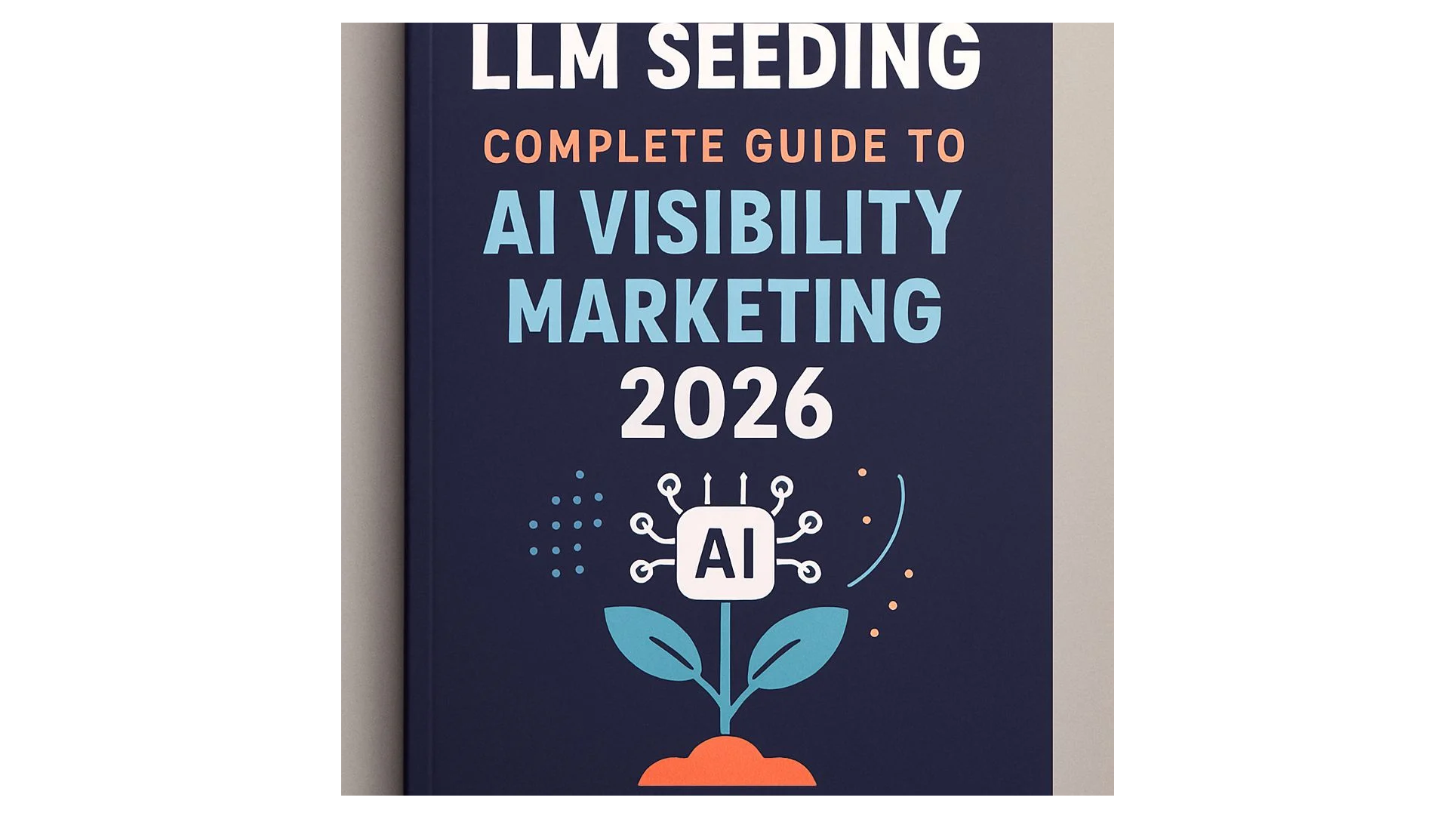
Key Takeaways:
- AI models learn from structured content platforms and prefer conversational formats over traditional SEO-optimized pages
- LLM Seeding focuses on strategic content placement where AI systems learn to ensure brands get cited in AI-generated responses
- Traditional SEO won't secure AI visibility because language models prioritize content quality and structure over backlink profiles
- Successful AI visibility requires creating authority content in Q&A formats, comparison tables, and research-backed guides
- Small businesses can compete with enterprises by targeting emerging AI visibility opportunities
The marketing landscape is experiencing its most dramatic shift since the rise of search engines. While businesses chase traditional Google rankings, AI systems like ChatGPT, Claude, and Gemini are becoming the new gatekeepers of brand visibility. By 2026, over 60% of consumer queries will be answered by AI before users even visit a website, making traditional SEO strategies insufficient for brand visibility.
Strategic Content Placement Is Becoming Essential for AI Visibility
AI visibility represents a fundamental departure from traditional digital marketing approaches. Unlike human searchers who click through multiple results, AI systems process vast amounts of content to provide definitive answers. When someone asks ChatGPT about marketing tools or queries Google's AI Overview about project management software, the AI draws from its training data to recommend specific brands and solutions. Being absent from these recommendations means losing potential customers to competitors who understood this shift early.
The challenge lies in understanding where AI models actually acquire their knowledge. AI systems are primarily trained on vast, often web-scraped, datasets that are then carefully curated for quality and structure, including authoritative content from specific platforms, academic sources, and structured knowledge bases, rather than relying solely on real-time web crawling for every query like traditional search engines. Strategic content placement in these learning environments ensures brands become part of the AI's knowledge foundation rather than fighting for visibility after training is complete.
Why Traditional SEO Won't Get You AI Visibility
Traditional SEO strategies focus on ranking web pages for human searchers based on keywords, backlinks, and technical optimization. However, AI systems evaluate content through entirely different criteria that often contradict established SEO practices.
1. AI Systems Prioritize Content Quality Over Rankings
While SEO emphasizes ranking factors like domain authority and backlink profiles, AI models evaluate how clearly content explains concepts and provides accurate information. A well-structured FAQ section on a smaller website can carry more weight with AI than a poorly written article from a high-authority domain. AI systems parse content for factual accuracy, logical structure, and topic coverage rather than relying on external signals of authority.
2. Language Models Focus on Content Structure, Not Backlink Profiles
Backlinks have minimal direct influence on AI training data selection. Instead, language models favor content with clear hierarchical structure, proper formatting, and logical information flow. A comparison table with detailed specifications will be more valuable to AI than an article optimized with keyword density but lacking substantive information. The structural elements that make content machine-readable - headers, lists, and organized data - become more important than traditional link-building strategies.
3. AI Prefers Structured, Conversational Content Formats
Traditional SEO content often targets specific keywords with repetitive phrasing and artificial keyword density. AI systems respond better to natural, conversational content that directly answers questions. Instead of "best project management software keyword optimization," AI prefers "Project management software comparison: Asana vs. Monday.com features." This shift requires content creators to write for understanding and utility rather than search engine algorithms.
Where AI Models Actually Learn Information
Understanding the sources AI models use for training reveals strategic opportunities for brand placement. These aren't random internet crawls but carefully selected, high-quality content repositories that meet specific criteria for accuracy and authority.
High-Trust Content Platforms in AI Training Data
AI training datasets heavily favor platforms known for accurate, well-moderated content. Wikipedia remains a cornerstone source due to its editorial oversight and factual accuracy standards. Academic publications, government databases, and established knowledge platforms like Stack Overflow provide structured, verified information that AI systems trust. Professional platforms such as LinkedIn articles from verified industry experts, established news publications, and specialized industry publications also contribute significantly to AI training data. Enterprise software review platforms like G2, Capterra, and Trustpilot offer structured comparison data that AI systems frequently reference when recommending solutions.
Content Formats AI Systems Prefer to Process and Utilize
AI systems excel at parsing structured content formats that organize information clearly. Q&A sections provide direct question-answer pairs that align with how users interact with AI. Comparison tables offer structured data that AI can easily reference when making recommendations. Step-by-step guides provide logical sequences that AI can reproduce when explaining processes. Original research with clear methodology and findings gives AI factual data to reference. Case studies with specific outcomes and metrics provide concrete examples AI can cite when discussing real-world applications.
The LLM Seeding Strategy That Drives Results
Successful LLM Seeding requires a systematic approach to content creation and distribution across platforms where AI models learn. This strategy differs significantly from traditional content marketing by focusing on AI-preferred formats and authoritative placement.
1. Research Where AI Learns About Your Industry
Begin by identifying the specific platforms and content types AI systems reference for industry-related queries. Test AI systems with questions relevant to the business and analyze which sources they cite most frequently. Industry-specific platforms often carry more weight than general content sites. For B2B software, platforms like Product Hunt and Crunchbase provide valuable company and product data that AI systems can utilize, while specialized review sites such as G2, Capterra, and Trustpilot are frequently referenced for recommendations. For consumer products, AI might reference consumer advocacy sites, comparison platforms, and specialized forums.
2. Create Authority Content in AI-Preferred Formats
Develop content specifically designed for AI consumption and citation. Structure information using clear hierarchies with descriptive headers that function as standalone topic summaries. Create detailed FAQ sections that address common industry questions directly. Develop detailed comparison content that positions the brand alongside competitors with factual, unbiased analysis. Produce original research with clear methodologies and quantifiable results that AI systems can reference as authoritative sources.
3. Distribute Across Multiple Platform Types
Diversify content placement across different types of authoritative platforms rather than concentrating efforts on owned media. Contribute expert content to industry publications and established knowledge platforms. Participate in professional discussions on platforms like LinkedIn and specialized forums where industry experts gather. Submit research findings to relevant academic or industry databases. Engage with review platforms by encouraging detailed, helpful customer feedback that provides context for AI recommendations.
4. Monitor AI Visibility and Optimize Content Performance
Track brand mentions and citations across major AI platforms to measure visibility and identify optimization opportunities. Test AI systems regularly with industry-related queries to understand current citation patterns. Monitor competitor AI visibility to identify gaps and opportunities. Adjust content strategy based on which formats and platforms generate the most AI citations. Specialized tracking platforms are emerging to measure AI visibility metrics, similar to how traditional SEO tools track search rankings.
Proven Content Formats for AI Recognition
Certain content structures consistently perform well with AI systems because they align with how these models process and retrieve information. Understanding these formats enables strategic content creation that maximizes AI citation potential.
Q&A Sections and FAQ Content
Question-and-answer formats mirror how users interact with AI systems, making this content highly valuable for training and reference. Structure Q&A content with clear, specific questions followed by detailed answers. Include industry-specific terminology and common variations of how questions might be asked. Organize FAQs by topic complexity, starting with fundamental concepts and progressing to advanced applications. This format allows AI systems to directly quote responses when answering similar user queries.
Comparison Tables and Step-by-Step Guides
Structured data in table format provides AI systems with organized information they can easily process and reference. Create detailed comparison tables that include specific features, pricing, use cases, and performance metrics. Develop step-by-step guides with numbered sequences that AI can reproduce when explaining processes to users. Include decision trees and flowcharts that help AI understand when to recommend specific solutions. These formats work particularly well for technical products, software comparisons, and process explanations.
Original Research and Case Studies
AI systems value original research because it provides unique, citable data that doesn't exist elsewhere. Conduct industry surveys, analyze market trends, or compile performance data that offers new insights. Structure research with clear methodologies, sample sizes, and statistical significance indicators. Create case studies with specific metrics, timelines, and measurable outcomes that AI can reference when discussing real-world applications. Include data visualizations and charts that summarize key findings for easy AI processing.
Emerging Success Patterns in AI Visibility
Early adopters of LLM Seeding strategies are revealing patterns that indicate future opportunities and competitive advantages. These insights help businesses position themselves strategically as AI visibility becomes more competitive.
Emerging Opportunities for Small Businesses in AI Visibility
Small businesses can compete effectively with larger competitors in AI visibility by focusing on niche expertise and specialized knowledge. AI systems often prefer detailed, specific content over broad, generic information, giving smaller companies an advantage when they demonstrate deep subject matter expertise. Local businesses can dominate AI responses for geographic queries by creating detailed local guides, service explanations, and community-focused content. Specialized service providers can achieve AI visibility by becoming the definitive source for niche topics within their industry, even when competing against larger companies with more resources.
Enterprise Strategies for AI Content Dominance
Large organizations are using scale advantages to create content ecosystems that dominate AI training data. Enterprise strategies focus on creating authoritative content across multiple related topics to establish thought leadership. Companies are coordinating content creation across departments to ensure consistent messaging and topic coverage that AI systems recognize as authoritative. Enterprise success often involves systematic content development that addresses multiple aspects of industry topics rather than focusing on single-point solutions.
Build Your AI Visibility Strategy with Consistent Effort
Successful AI visibility requires sustained effort and strategic thinking rather than quick fixes or tactical adjustments. The businesses that will dominate AI citations in 2026 are those starting LLM Seeding strategies today. This involves consistently creating high-quality, structured content across multiple platforms where AI systems learn. It requires monitoring AI citation patterns and adjusting strategies based on performance data. Most importantly, it demands a long-term perspective that prioritizes building genuine authority and expertise rather than gaming systems that will continue to evolve.
The transition from traditional search to AI-driven recommendations represents the most significant shift in digital marketing since the advent of the internet. Businesses that adapt their content strategies to this new reality will capture market share from competitors still focused exclusively on traditional SEO. The window of opportunity remains open, but it's closing rapidly as more organizations recognize the importance of AI visibility.
Learn how to implement a LLM Seeding strategy for your business with expert guidance from LLM SEEDING™ Network, the leading authority on AI visibility marketing.
LLM SEEDING™ Network
City: Bakersfield
Address: 5401 Business Park S,
Website: https://llmseeding.io/
Phone: +1-661-605-5338
Email: hello@llmseeding.io


Comments
Post a Comment