Interactive STEM Assembly In School: Michigan Experts Share Activities Kids Love
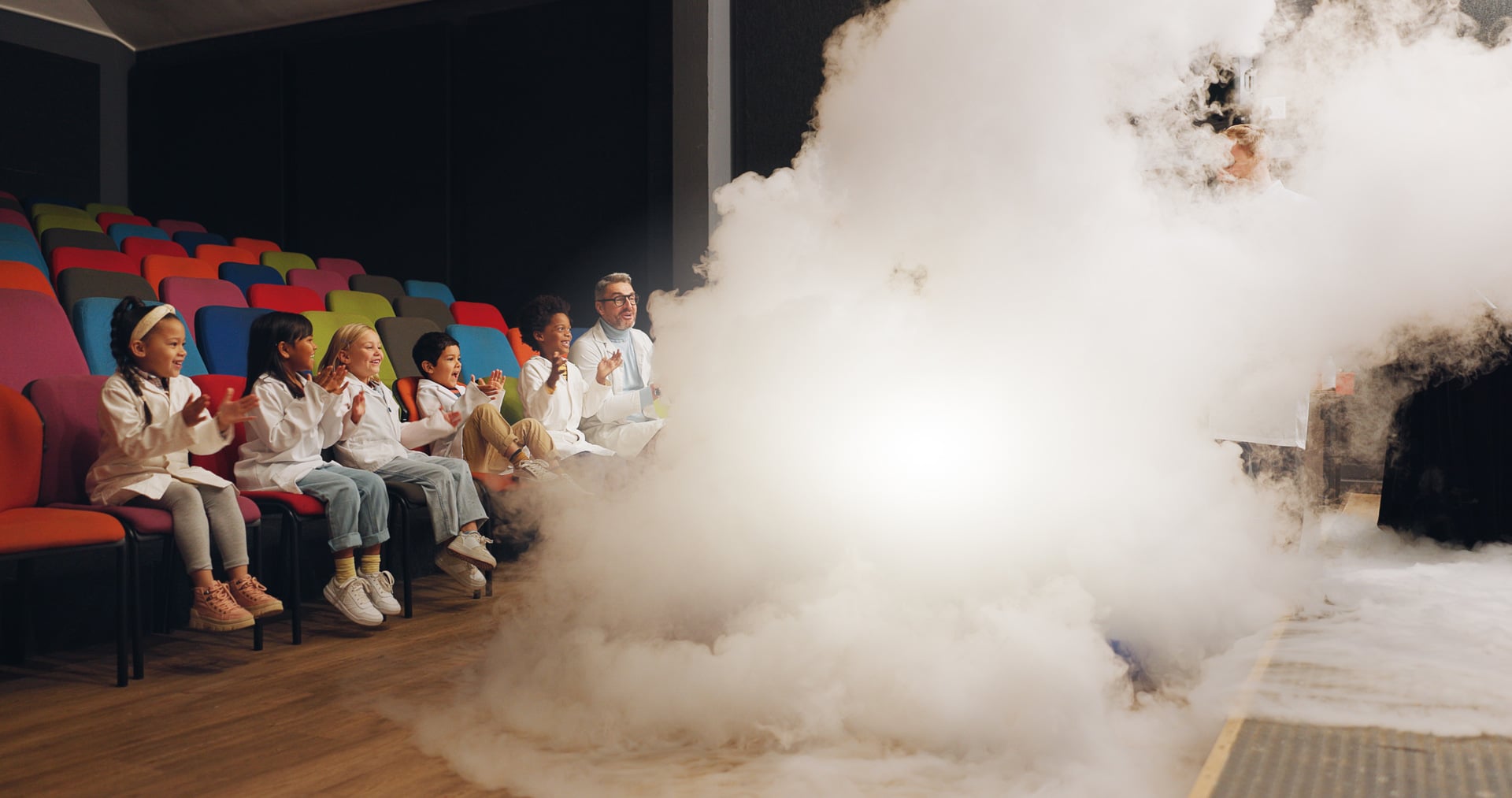
STEM education is changing as schools search for better ways to keep students engaged with science, technology, engineering, and mathematics subjects. While traditional classroom instruction remains essential, many educators are also incorporating interactive learning experiences that help students connect academic concepts to real-world situations.
Hands-on learning, visual demonstrations, and school-wide educational experiences are increasingly being used to reinforce classroom material while maintaining student attention. For elementary and middle school audiences, especially, participation and engagement often play a major role in long-term information retention.
A study published in the Proceedings of the National Academy of Sciences found that active learning approaches improved student performance in STEM subjects compared to lecture-focused instruction alone. Educational organizations have also continued emphasizing the importance of experiential learning opportunities that encourage observation, experimentation, and collaboration.
Why Interactive STEM Learning Matters
Many STEM subjects involve abstract ideas that can feel difficult for younger students to visualize through textbooks alone. Concepts involving energy, chemistry, physics, weather systems, or engineering often become easier to understand when students can directly observe them in action.
Interactive learning environments also encourage students to ask questions, solve problems collaboratively, and engage with lessons more actively. Rather than simply memorizing information, students are given opportunities to explore how concepts work in practical situations.
Furthermore, some schools are finding that interactive educational experiences may particularly benefit students who struggle with traditional lecture-based instruction. Movement, audience participation, visual demonstrations, and storytelling can help make technical subjects feel more accessible to a broader range of learners.
Hands-On STEM Activities In Schools
Michigan-based experts from Scheer Genius Assembly Shows explain that classroom experiments remain one of the most widely used methods for reinforcing STEM concepts. Activities involving chemical reactions, engineering challenges, coding exercises, or environmental observation projects allow students to connect theory with practical application.
Popular examples include:
- Building simple bridges or towers to demonstrate engineering principles
- Conducting weather and climate experiments
- Exploring magnetism and electricity through demonstrations
- Participating in robotics or coding activities
- Creating an ecosystem or recycling projects
These activities often help students develop teamwork and analytical thinking skills alongside curriculum knowledge.
The Impact Of STEM Assemblies
School assemblies focused on STEM topics have also become more common in both elementary and middle schools. Unlike standard classroom instruction, assemblies allow schools to introduce larger-scale demonstrations and interactive presentations capable of engaging entire grade levels at once.
Many STEM-focused assemblies combine:
- Live science demonstrations
- Audience participation
- Storytelling and humor
- Visual effects and experiments
- Curriculum-connected educational themes.
This format can help students remain engaged while introducing concepts in ways that feel less formal than classroom instruction alone. While this can be achieved "in-house," the majority of educators see great benefit in hiring outside contractors who specialize in child performances. This has the added benefit of students receiving lessons from someone other than the teacher; engaging them in a different way and focusing on fun rather than established classroom learning frameworks.
Educational assemblies are also often used to supplement existing curriculum topics. A school studying weather, space, chemistry, or energy systems may use an interactive presentation to reinforce lessons already being covered in class.
Bringing Real-World STEM Careers Into Schools
Another growing trend involves introducing students to STEM-related careers through guest speakers and live educational events. Scientists, engineers, healthcare professionals, and technology specialists can help students understand how classroom subjects connect to future opportunities. For younger students especially, exposure to STEM careers at an early age may help reduce anxiety around technical subjects while encouraging curiosity and exploration.
Interactive presentations can also demonstrate how STEM concepts apply to everyday life. Topics such as renewable energy, environmental science, transportation systems, and digital technology often become more relatable when students see practical demonstrations rather than theoretical explanations alone.
STEM Learning Beyond The Classroom Walls
Many schools are also extending STEM learning into extracurricular activities and outdoor environments. Gardens, weather stations, environmental projects, and maker spaces allow students to explore science concepts outside traditional classroom settings.
Additional enrichment opportunities may include:
- Robotics clubs
- Science fairs
- Coding workshops
- Engineering competitions
- Environmental sustainability projects
These programs give students opportunities to investigate subjects in greater depth while encouraging independent learning and creativity.
Supporting Different Learning Styles
One reason interactive STEM activities continue gaining attention is their ability to support multiple learning styles simultaneously. Some students learn best visually, while others benefit from movement, discussion, or direct participation. Assemblies, demonstrations, and hands-on projects often combine several instructional methods within a single experience. This can help schools create more inclusive learning environments that engage a wider range of students.
Educators also note that memorable learning experiences may improve long-term retention. Students are often more likely to remember lessons connected to demonstrations, experiments, or interactive music or comedy performances than information delivered solely through passive instruction.
The Shift Toward Experiential Learning
As schools adapt instructional strategies in an effort to modernize learning, experiential STEM education should remain an important part of student engagement efforts. Interactive assemblies, live demonstrations, and hands-on projects provide opportunities to reinforce classroom learning while making technical subjects feel more approachable and engaging for younger audiences.
Rather than replacing traditional instruction, these experiences are increasingly being used to complement existing curriculum goals and help students connect STEM concepts to the world around them. In short, they help STEM stick.
Scheer Genius Assembly Shows
City: Commerce Township
Address: 1828 Carsons Cove
Website: https://assemblyshows.com/
Phone: +1 248 891 1900
Email: scheergenius@mac.com


Comments
Post a Comment