Industrial Electrical Panel Problems: What Every Facility Manager Should Know
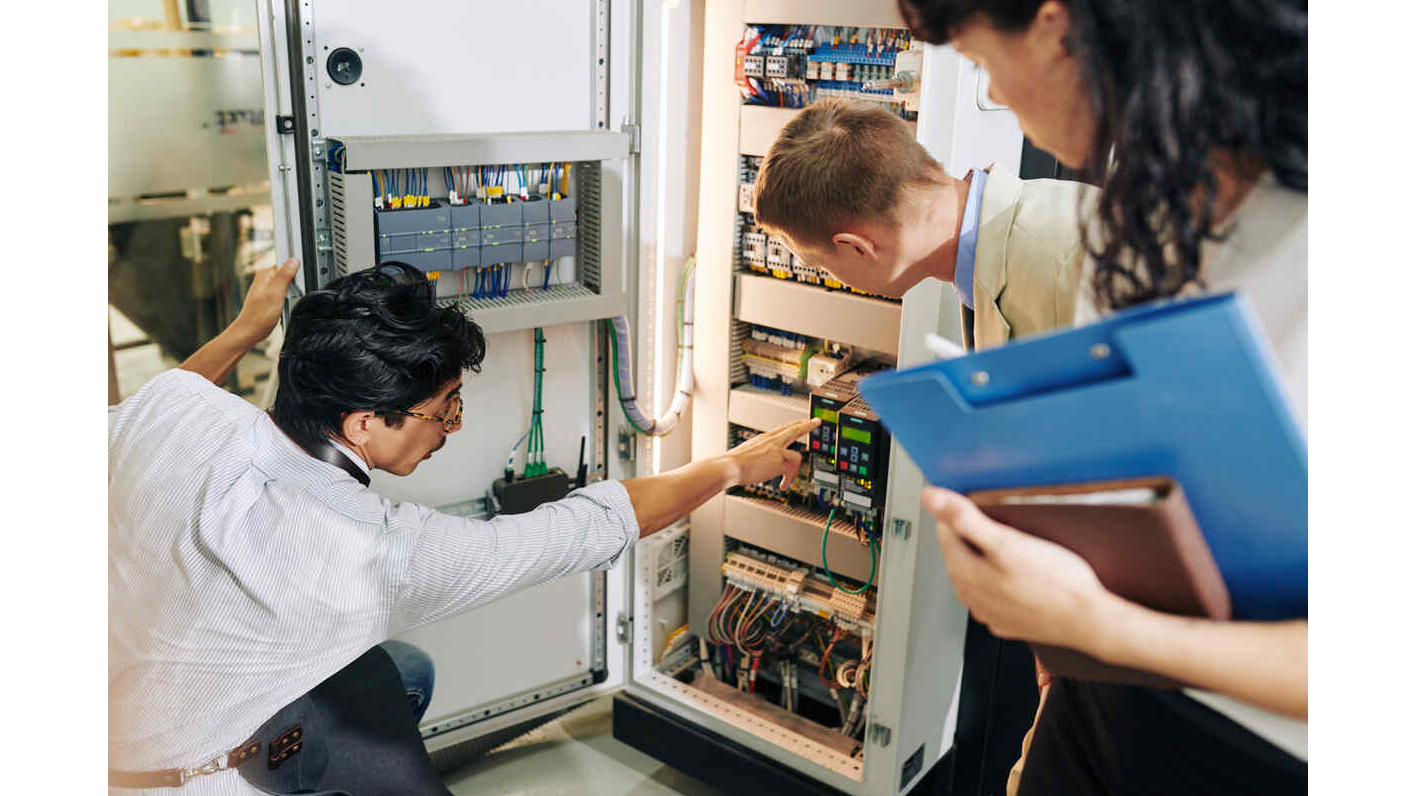
Walk through any industrial facility, and most of what keeps production moving is hidden from sight. Behind the hum of machinery and conveyor systems, electrical panels are doing the unglamorous work of distributing power where it is needed, when it is needed.
As facilities expand, equipment is added, lines are reconfigured, and demand on electrical systems steadily increases. Panels that once had plenty of capacity can slowly become stressed without anyone immediately noticing, and only at that point, when productivity comes to a halt, do they get the attention they should have gotten months prior.
Why Panel Reliability Shapes Plant Performance
In industrial environments, electrical reliability is closely tied to output. When power distribution is stable, operations tend to stay predictable — and when it isn't, everything downstream feels it.
A single fault in a panel box can ripple outward fast, leading to machines stopping mid-cycle, production schedules slipping, and maintenance teams being pulled into urgent troubleshooting instead of planned work. Over time, even small electrical inconsistencies can become costly interruptions.
5 Common Industrial Electrical Panel Box Problems
1. Overloaded circuits
One of the most common issues is simply too much demand on a panel that was never designed for it. As new equipment is added over time, loads increase until breakers begin tripping or heat becomes a regular concern.
2. Loose or aging connections
Industrial vibration and long-term use can loosen terminals and wiring. The result is intermittent power delivery, which can be difficult to trace but disruptive to equipment stability.
3. Dust, moisture, and environmental exposure
In manufacturing plants or outdoor installations, contaminants can find their way into panels. Dust buildup and moisture intrusion can degrade insulation and increase the risk of short circuits.
4. Component wear and aging breakers
Electrical components do not last forever. Breakers and internal parts can lose sensitivity or fail to respond correctly under load, especially in older systems that have not been upgraded.
5. Heat buildup from poor ventilation
Excessive internal temperature is often a symptom of multiple smaller issues. When airflow is restricted or load is consistently high, heat accumulates and accelerates wear across the entire panel.
What Happens When Panel Issues Are Ignored
The impact of panel failure in an industrial setting is rarely isolated because a single shutdown can halt production lines, delay deliveries, and create bottlenecks that take hours or days to recover from.
There is also a safety dimension. Faulty panels increase the risk of electrical arcing, equipment damage, and fire hazards, particularly in high-load environments where systems are already under strain.
3 Practical Ways to Prevent Panel Box Failure
1. Schedule routine inspections
Regular checks help identify early warning signs like loose wiring, discoloration, or abnormal heat before they turn into failures.
2. Manage electrical loads properly
Avoid running systems close to maximum capacity for extended periods. Balanced loads help extend equipment lifespan and reduce strain on circuits.
3. Control the environment around panels
Keeping panels clean, dry, and properly ventilated goes a long way in preventing corrosion and overheating issues.
Final Thoughts
Most industrial electrical panel problems develop slowly; they are not sudden events but gradual changes in performance that build over time.
Facilities that prioritize maintenance, monitor load conditions, and plan for upgrades tend to avoid the most disruptive failures. In industrial operations, consistency often comes down to what is addressed before anything breaks.
Electrical Power and Control
City: Talladega
Address: 1639 Springhill Rd.
Website: https://electricalpowerandcontrol.com/


Comments
Post a Comment