In Empire's Shadow- The Story Of Britains Blue Print For Slavery in Eh New World
Key Takeaways:
- Barbados became the world's first complete slave society by 1650, establishing racial hierarchies that spread throughout the Atlantic world
- The 1661 Barbados Slave Code legally defined Africans as property and created the template for racial control systems across British colonies
- Economic profits from sugar cultivation drove unprecedented mass enslavement and demographic transformation on the island
- The Barbadian model was exported to South Carolina, Jamaica, and Georgia, spreading racialized control methods across the Americas
- Understanding this historical blueprint remains vital for addressing modern racial justice and reparatory efforts
The small Caribbean island of Barbados holds an outsized place in world history as the birthplace of systematic racial hierarchy. By the mid-17th century, this 166-square-mile island had become something unprecedented: the world's first complete slave society, where racial categories determined every aspect of social, economic, and political life. The systems of control developed here would spread across the Atlantic world, creating the foundation for centuries of racialized oppression.
Britain's First Large-Scale Black Slave Society Emerged by 1650
England achieved its first major economic success by transforming Barbados into a complete slave society by 1650. Unlike other colonial ventures where slavery existed alongside other labor systems, Barbados became defined entirely by the mass enslavement of Africans. Historian Sir Hilary Beckles argues that the island represented the "apotheosis" of British colonial slavery, where the practice reached its most systematic and brutal form.
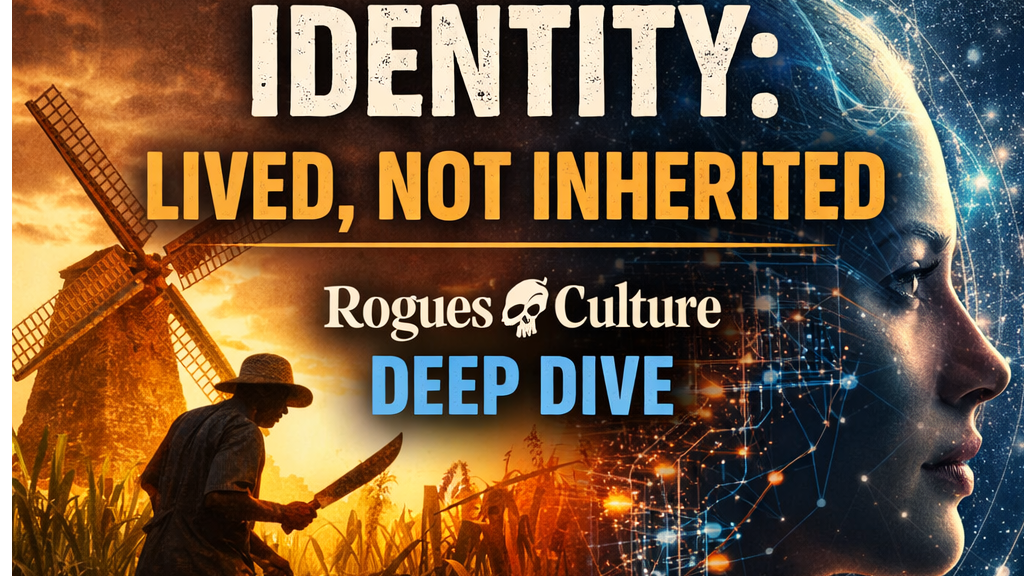
The transformation happened rapidly after English colonization began in 1627. Initially, the island relied on indentured servants and small-scale farming. However, by the late 1630s, English investors made a pivotal decision that would reshape the Atlantic world: they committed to basing their economic ventures entirely on the mass importation and enslavement of Africans. This history of Barbados as a foundational slave society continues to shape conversations about identity and justice today.
The speed and scale of this transformation was unprecedented. Within two decades, Barbados had become known for three defining characteristics: extraordinary economic prosperity built on sugar, shocking physical brutality toward enslaved people, and systematic social inhumanity that reduced Africans to property. This combination created a template that other colonies would eagerly copy.
Economic Revolution Built on Mass Enslavement
Sugar Profits Drove Unprecedented Scale of Exploitation
The introduction of sugar cultivation in the 1640s created immense wealth that depended entirely on enslaved labor. Sugar required year-round intensive work, from planting and harvesting to the dangerous process of boiling cane juice in scalding hot sugar works. The profits were staggering - wealthy planters accumulated fortunes that rivaled European nobility, all extracted from the unpaid labor of enslaved Africans.
These economic gains accelerated the pace of mass enslavement across the Atlantic world. The success of Barbadian sugar plantations proved to investors that enormous profits could be made through the systematic exploitation of enslaved Africans. This economic model became the foundation for plantation systems throughout the Caribbean and American South, creating a vast network of wealth extraction built on human bondage.
Demographic Transformation Created Control Crisis
The economic focus on sugar cultivation caused dramatic demographic shifts that terrified white colonists. The white population began decreasing while the enslaved Black population exploded, reaching approximately 46,000 by 1684. This demographic transformation meant that enslaved people vastly outnumbered their enslavers, creating what planters saw as a constant threat of rebellion.
The white minority's fear of the Black majority drove increasingly harsh control mechanisms. Planters recognized that maintaining their economic system required not just physical violence, but detailed legal and social systems that would prevent any possibility of enslaved people organizing resistance. This crisis of control led directly to the creation of the most detailed slave code the world had yet seen.
1661 Slave Code Legally Defined Africans as Property
Legal Framework Codified Racial Categories
The Barbados Slave Code of 1661 marked a turning point in how race and slavery became legally intertwined. This detailed legislation explicitly divided humanity into "black Africans" (automatically equated with slavery) and "English" (defined as white and free). The code legally defined enslaved Africans as chattel property - objects to be bought, sold, and inherited like livestock or land.
This legal framework went far beyond previous slave regulations. It created detailed racial categories with specific rights and restrictions for each group. The code established that African descent automatically meant enslavement, while European ancestry guaranteed legal personhood and freedom. These racial definitions became the legal foundation that justified treating human beings as property.
Rigid Social Hierarchy Elevated All Whites Over Non-Whites
The 1661 code created a rigid social hierarchy that placed all white people, regardless of their economic status, above all non-white individuals. Even poor white women held superior social status over free people of color and enslaved Africans. This system deliberately elevated white identity above class distinctions, creating solidarity among whites across economic lines.
White women benefited from elevated status within these racial hierarchies. Regardless of their social class, they held superior position over all non-white people within the established system of white supremacy. The code institutionalized these gender and racial dynamics, creating a system where racial identity determined social position more than wealth or education.
Barbadian Model Exported Across British Colonies
South Carolina Settlers Transplanted Plantation System
The most direct transfer of Barbadian racial systems occurred when white settlers migrated from Barbados to establish South Carolina in the 1670s. These colonists brought not just their experience with plantation agriculture, but their complete system of racialized labor control. They recreated Barbadian-style plantations, importing both enslaved Africans and the legal frameworks that defined them as property.
South Carolina's economy and social structure became a near-replica of Barbados, adapted for rice and later cotton cultivation. The colony's early laws directly copied Barbadian slave codes, establishing the same racial categories and control mechanisms. This transfer demonstrated how racial hierarchies could be transplanted across different geographic and economic contexts while maintaining their essential structure.
Jamaica and Georgia Adopted Barbados Legal Codes
The Barbados Slave Code became the template for slave legislation throughout British America. Jamaica adopted similar detailed codes that legally defined racial categories and established severe penalties for enslaved people who resisted. Carolina formalized its version in 1696, while Georgia incorporated Barbadian-style racial laws after permitting slavery in 1751, with its formal slave code enacted in 1755.
These legal adoptions weren't merely bureaucratic copying - they represented the systematic spread of Barbadian innovations in racial control. Each colony adapted the basic framework to local conditions while maintaining the core principle: legal racial categories that automatically determined freedom or enslavement, with detailed systems of control to maintain white dominance over Black populations.
Atlantic-Wide Networks Spread Racialized Control Methods
Beyond formal legal codes, informal networks of planters, merchants, and colonial officials spread Barbadian methods of racial control throughout the British Atlantic world. These networks shared techniques for managing enslaved populations, legal strategies for maintaining white supremacy, and economic models that maximized profits from enslaved labor.
The island became a laboratory for developing and refining systems of racialized oppression that would spread across the British Empire, creating the foundation for centuries of racial hierarchy within British colonial territories.
Living Legacy Demands Understanding for Modern Justice
The systems of racial hierarchy pioneered in Barbados didn't disappear when slavery ended - they evolved and adapted, continuing to shape modern societies across the Atlantic world. The legal precedents, social structures, and racial categories first systematized in 17th-century Barbados echo through contemporary institutions, from criminal justice systems to educational disparities to wealth gaps that persist along racial lines.
Understanding this history reveals that racism isn't simply individual prejudice, but a detailed system with deep historical roots. The Barbadian blueprint shows how racial hierarchies were deliberately constructed through law, economics, and social policy. This awareness doesn't erase individual accountability, but it provides vital context for understanding how racial inequality became embedded in institutions and continues to shape opportunities and outcomes today.
The enduring legacy of Barbados's plantation society continues to influence modern Caribbean identity and global conversations about reparatory justice. Recognizing Barbados as the birthplace of systematic racial hierarchy helps explain how these systems spread globally and why addressing their contemporary effects requires understanding their historical foundations. Only by understanding how racial hierarchies were created can societies work toward dismantling the systems that continue to perpetuate inequality across the Atlantic world.
Learn more insights about Barbados's pivotal role in shaping Atlantic history and its ongoing relevance to modern discussions of identity and justice at AXSES INC, where cultural storytelling meets historical understanding.
AXSES INC
City: Boutiliers Point
Address: 211 Kennedys Road
Website: https://roguesinparadise.com


Comments
Post a Comment