How to Use Finishing Salt in Cooking: What It Is and Why It Matters Now
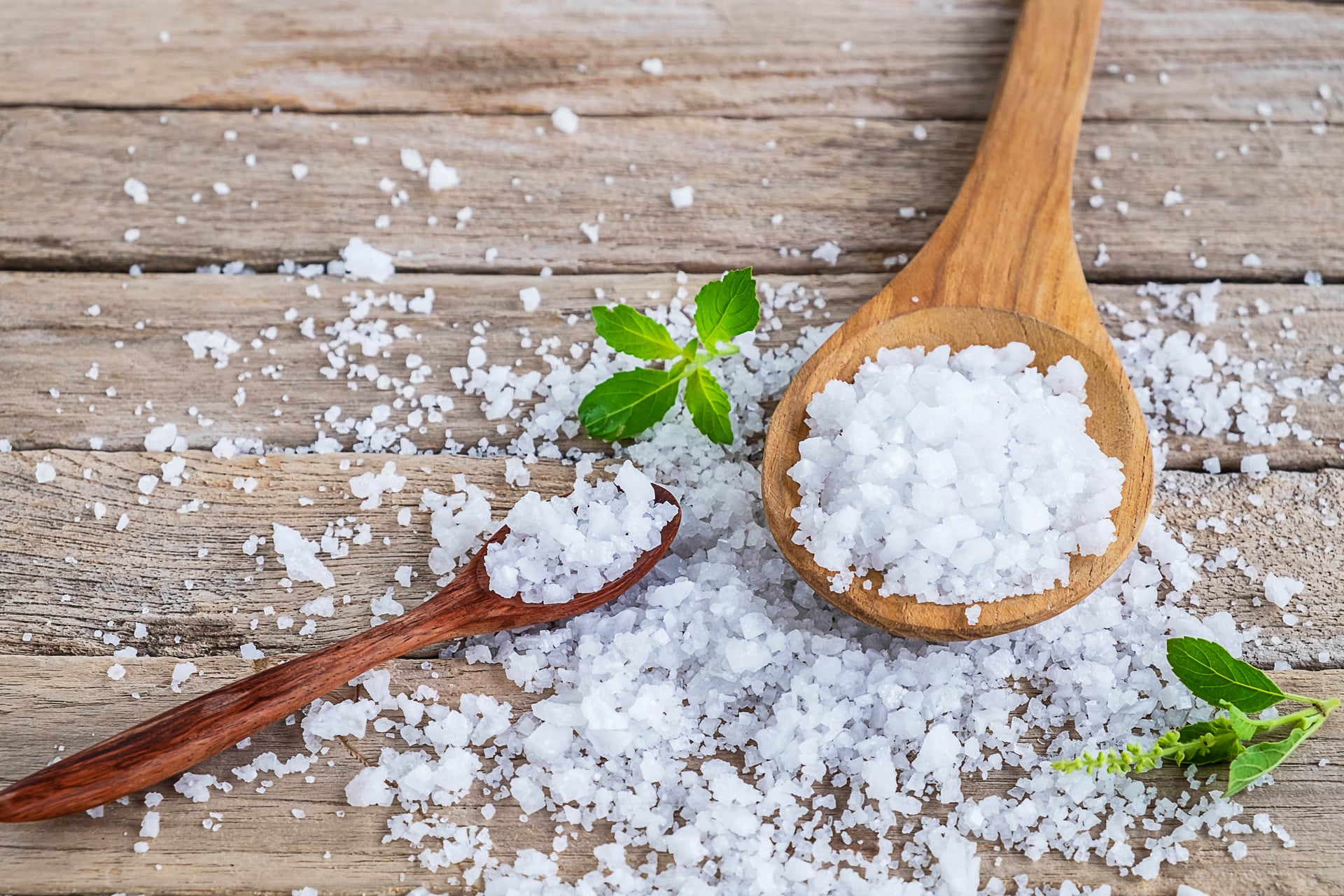
Salt Is Not All The Same
Most people spend years cooking with the same fine-grained table salt without giving it much thought. It's inexpensive, pours easily, and does the job — at least on the surface. But as more home cooks start experimenting with different ingredients, salt is often one of the first things they reconsider, and the differences between varieties turn out to be more significant than most expect.
The most noticeable distinction is in flavor and texture. Artisanal sea salt is typically harvested through natural evaporation rather than industrial processing, which preserves trace minerals that table salt loses during refinement. Those minerals — magnesium, calcium, potassium — contribute subtle complexity that changes how food tastes, not just how salty it is.
What Processing Actually Removes
Standard table salt is mined and then heavily processed to achieve its uniform texture and long shelf life. Anti-caking agents are added to keep it free-flowing, and iodine is often introduced as a supplement. The result is a chemically consistent product, but one stripped of the mineral character found in less-processed alternatives. Sea salt harvested through solar evaporation retains much of what industrial processing removes, and that difference shows up in the finished dish.
The Role Of Texture In Cooking
Texture matters more than most people realize. Flaky finishing salts dissolve slowly on the tongue, releasing flavor gradually rather than delivering one sharp hit of saltiness. Coarser grinding salts give cooks better control over seasoning, since freshly milled crystals distribute more evenly across food. The right texture at the right stage of cooking — whether stirred in during prep or added as a final flourish — produces noticeably different results than a one-size-fits-all approach.
Why Provenance Is Becoming A Selling Point
Consumer interest in where food comes from has grown steadily across most specialty categories, and salt is no exception. The Specialty Food Association's 2024-25 State of the Specialty Food Industry report found the sector surpassing $206 billion in sales, with consumers consistently favoring artisan and minimally handled products. Buyers are increasingly seeking ingredients with a traceable origin and a production method they can understand, rather than products assembled from anonymous industrial sources.
How Chefs Use Different Varieties
Professional cooks rarely rely on a single type of salt. A coarser salt might go into pasta water or brines, while a delicate flaky variety is reserved for finishing a steak or topping chocolate desserts. Home cooks willing to follow a similar approach often find their cooking improves in ways that are difficult to attribute to any single change — seasoning just seems more precise. Flavors come through more clearly without tasting aggressively salty.
Making The Transition Practical
Switching doesn't require an overhaul of how you cook. Starting with a finishing salt is the lowest-effort entry point — use it the same way you'd reach for the salt shaker, but pay attention to how it settles on food. From there, trying a cooking-grade variety for everyday prep is a natural next step. Small, considered ingredient choices have a way of changing the character of a meal in ways that are hard to pinpoint — and hand-harvested sea salt is a good place to start.
JQ Dickenson Salt-Works
City: Charleston
Address: 4797 Midland Dr. Malden, West Virginia 25306
Website: https://jqdappalachianmercantile.com/


Comments
Post a Comment