How To Repair Bleach Damaged Hair: Stylist Offers Recovery Care Tips
Key Takeways
- Bleached hair requires more maintenance than untreated hair due to the weakening of its structure, leading to increased dryness, breakage, and split ends.
- Signs of bleach damage include increased shedding, rough texture, and frayed ends, with severe cases resulting in fragile, gummy hair when wet.
- A balanced hair-care routine that combines moisturizing products with protein treatments helps restore hydration and strengthen bleached hair.
- Scalp care is crucial for bleach-damaged hair, as irritated or dry scalps can lead to increased shedding and weakened hair growth.
- Minimizing heat styling and using gentle washing habits can reduce further breakage and improve the overall health and manageability of bleached hair.
Bleached hair requires significantly more maintenance than untreated hair because the lightening process changes the hair structure itself. While bleaching remains one of the most popular salon services for achieving lighter shades, platinum tones, highlights, and fashion colors, the chemical process can weaken the protective outer layer of the hair strand, leaving hair more vulnerable to dryness, breakage, split ends, and shedding.
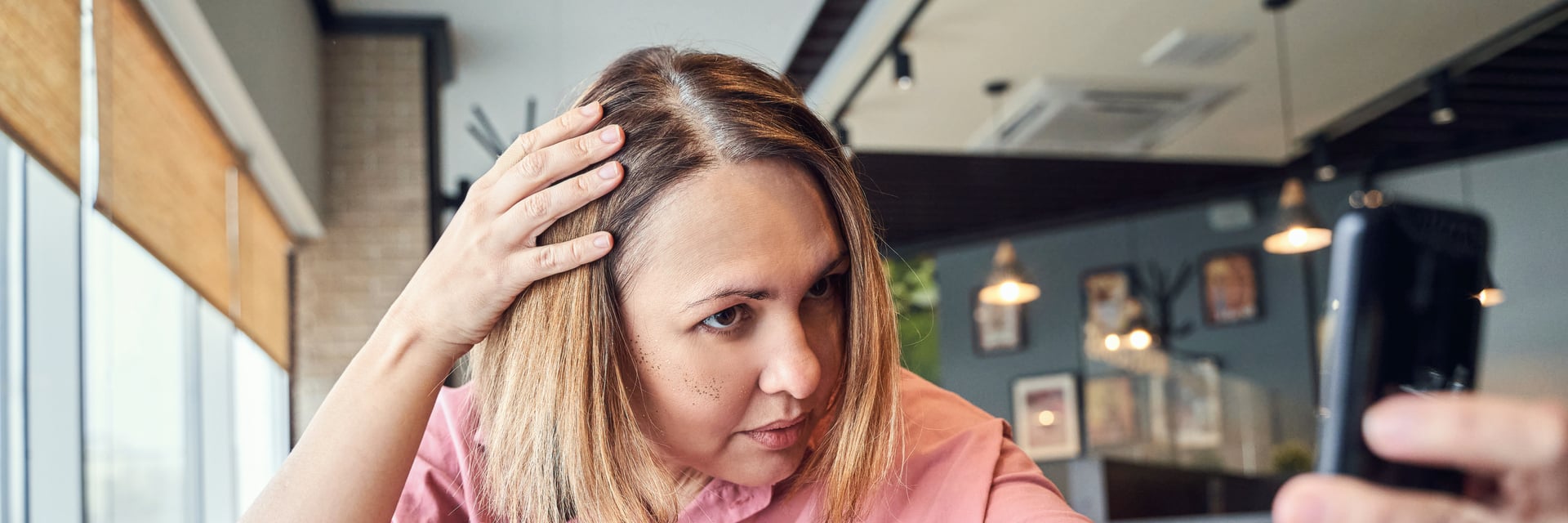
For many people, the first signs of bleach damage appear gradually. Hair may begin feeling rougher after washing, brushing may reveal increased shedding, or ends may become visibly frayed and brittle. In more severe cases, hair loses elasticity altogether, becoming gummy or fragile when wet. These changes can be frustrating, particularly because damaged hair often becomes harder to style and maintain over time.
Fortunately, recovery is possible with a consistent hair-care routine focused on moisture balance, scalp health, strengthening ingredients, and reducing further stress on the hair shaft.
Why Bleaching Causes Hair Damage
Bleaching works by lifting the hair cuticle and breaking down melanin pigments inside the strand. While this process creates lighter color, it also strips away some of the natural proteins and lipids that help hair remain smooth and resilient. The more frequently hair is bleached, the greater the risk of structural weakening. High-volume developers, overlapping bleach applications, improper processing times, and repeated coloring sessions all increase the likelihood of breakage and dryness.
According to salon care resources such as Salon Glam, bleach damage commonly affects both the hair shaft and scalp barrier, particularly when lightening treatments are performed repeatedly within short periods. Scalp irritation, increased shedding, and temporary thinning can sometimes follow aggressive bleaching treatments, especially when combined with heat styling or tight hairstyles.
Damage does not always appear immediately. Hair may initially seem manageable before breakage becomes more noticeable several weeks later.
Signs Hair Has Been Overprocessed
Bleach-damaged hair often shows recognizable warning signs that indicate the hair structure has become compromised. Common signs include:
- Increased breakage while brushing or washing
- Dry, straw-like texture
- Excessive tangling
- Split ends and fraying
- Hair that stretches excessively when wet
- Increased shedding after bleaching
- Dullness and lack of shine
- Scalp sensitivity or irritation
Hair that feels gummy, mushy, or unusually elastic when wet may indicate more advanced structural damage caused by protein loss within the strand. In these situations, aggressive styling or additional chemical treatments can worsen breakage considerably.
Moisture Becomes The Top Priority
One of the biggest mistakes after bleaching is focusing only on styling products instead of restoring moisture balance. Bleached hair loses hydration quickly because lifted cuticles allow moisture to escape more easily. Hydrating masks, leave-in conditioners, and moisturizing shampoos help reduce brittleness while improving softness and manageability.
Ingredients commonly recommended for bleach-damaged hair include:
- Glycerin
- Aloe vera
- Argan oil
- Shea butter
- Coconut-derived moisturizers
- Panthenol
- Castor oil
Hydration should be approached consistently rather than occasionally. Deep conditioning treatments once per week often work better than relying solely on lightweight daily conditioners. Using gentler shampoos also matters. Sulfate-heavy cleansers may worsen dryness by stripping away remaining oils from already compromised hair.
Ingredient-focused routines are especially popular now because consumers are paying closer attention to how cleansers and scalp products affect long-term hair condition rather than focusing only on immediate cosmetic appearance.
Protein Balance Matters Too
While hydration is essential, bleach-damaged hair also benefits from protein support because bleaching weakens the keratin structure inside the strand. Protein-rich treatments help temporarily reinforce weakened areas of the hair shaft, improving elasticity and reducing snapping during brushing and styling.
However, balance is important. Excessive protein use can make hair stiff and brittle, particularly when moisture levels remain low. A balanced repair routine usually combines hydrating products with occasional strengthening treatments rather than relying entirely on one category. This is one reason many repair-focused hair systems combine moisturizing ingredients with strengthening compounds rather than focusing exclusively on oils or proteins alone.
Scalp Care Is Often Overlooked
Bleaching affects more than the visible hair strand. The scalp itself may become irritated, inflamed, or excessively dry following repeated lightening treatments.
Healthy scalp conditions play an important role in supporting stronger-looking hair growth over time. When the scalp barrier becomes compromised, increased shedding and irritation may become more noticeable. This has contributed to growing interest in scalp-focused hair products containing ingredients associated with circulation support and follicle conditioning.
Scalp sprays and lightweight serums may be particularly appealing for bleach-damaged hair because heavy oils sometimes weigh down fragile strands or contribute to buildup.
Reducing Heat Styling Helps Prevent Further Breakage
Heat styling can compound bleach damage quickly because weakened hair becomes less resistant to high temperatures. Flat irons, curling wands, and high-heat blow dryers remove additional moisture from already fragile strands, increasing split ends and breakage. Reducing heat frequency often produces noticeable improvements within several weeks. When heat styling is necessary, lower temperatures and heat protectants help minimize additional stress on the hair shaft. Air drying whenever possible may also help preserve elasticity and reduce friction-related breakage.
Protective styling strategies can make a difference as well. Loose braids, silk pillowcases, microfiber towels, and avoiding tight hairstyles reduce mechanical stress on weakened hair.
Hair Growth Support After Bleaching
Temporary shedding after bleaching is not uncommon, particularly following aggressive processing or scalp irritation. Hair recovery typically focuses on creating healthier conditions for new growth while minimizing ongoing breakage. Several ingredients frequently appear in supportive hair-care systems aimed at damaged or thinning hair:
- Biotin, commonly associated with keratin support
- Caffeine, often used in scalp-focused products
- Castor oil for moisture retention
- Peptides used in cosmetic scalp formulations
- Botanical extracts that support scalp conditioning
Some hair-care routines now combine shampoos, conditioners, and scalp treatments rather than relying on a single product category. For example, repair-focused shampoos and conditioners often emphasize gentler cleansing systems alongside moisturizing ingredients intended to support dry or chemically processed hair without heavy residue buildup.
Gentle Washing Habits Make Recovery Easier
Overwashing can worsen bleach damage by removing oils that help protect fragile strands. Many stylists recommend spacing out wash days whenever possible and focusing on scalp cleansing rather than aggressively scrubbing the hair itself.
Water temperature matters too. Extremely hot water may further dry the cuticle, while lukewarm water tends to be gentler on damaged hair.
Wide-tooth combs are also preferable for detangling because bleach-damaged hair is more vulnerable to snapping when wet.
Stylists say that these small changes in habits often improve manageability more effectively than relying entirely on intensive treatments alone.
Recovery Takes Time
One of the most important aspects of bleach-damage recovery is consistency. Hair rarely improves overnight because damaged strands cannot fully regenerate once structurally compromised. Instead, recovery focuses on minimizing ongoing breakage while improving the appearance, softness, and manageability of existing hair as healthier growth gradually replaces damaged sections. This process may take several months depending on the severity of the damage, frequency of bleaching, and overall hair-care routine.
Avoiding repeated bleaching during recovery periods is often essential. Continuing to overlap bleach onto previously processed sections typically prolongs breakage cycles and makes regrowth appear thinner over time.
Why Ingredient Selection Matters More Than Marketing Claims
Hair-care consumers are becoming more ingredient-conscious, particularly when managing bleach damage and shedding concerns. Rather than focusing only on branding or trend-driven products, many shoppers now look for formulations that combine moisturizing support, scalp care, strengthening ingredients, and gentler cleansing systems. This shift reflects growing awareness that bleach recovery usually requires a broader routine rather than a single “miracle” product.
When hair is chemically stressed, supportive scalp care, hydration, reduced heat exposure, strengthening treatments, and realistic maintenance expectations all contribute to healthier-looking results over time. With the right approach, damaged hair can gradually become more manageable, softer, stronger-looking, and less prone to ongoing breakage — even after significant bleaching exposure.
Trybello LLC
City: Miami
Address: 40 SW 13th St
Website: https://trybello.com/


Comments
Post a Comment