How to Help Children in Africa Get Access to Clean Water in Rural Communities
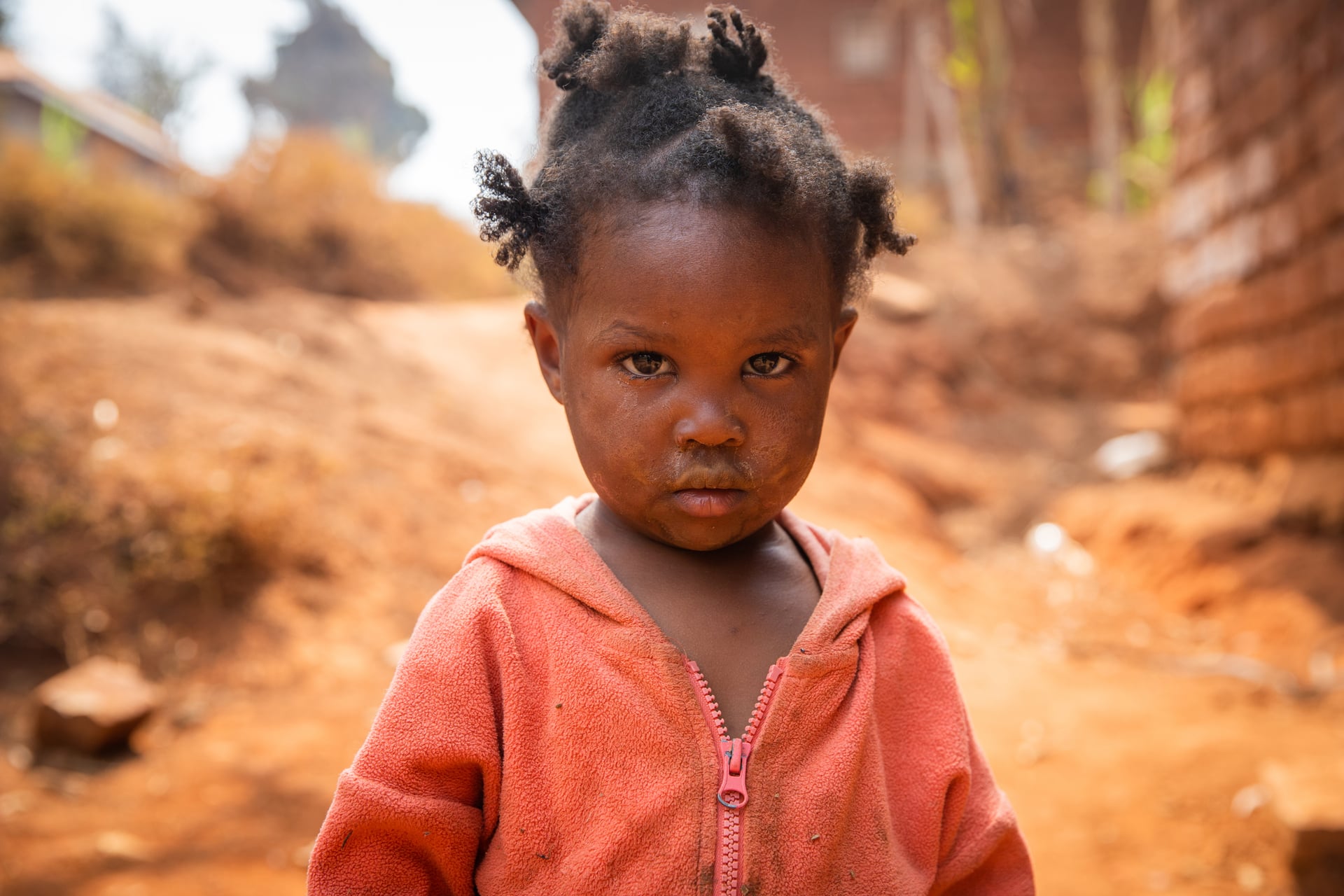
For many people, turning on a tap is something they never really think about. But in rural parts of Africa, getting clean water can take hours of walking under intense heat, often before a child even makes it to school.
In some communities, children wake up before sunrise to collect water from rivers, shallow wells, or distant pumps that may not even provide safe drinking water. By the time they return home, they are already exhausted. For many families, this routine repeats every single day.
According to UNICEF and the World Health Organization, millions of children across sub-Saharan Africa still live without reliable access to safe drinking water. The effects go far beyond thirst. Unsafe water contributes to preventable illness, missed school days, poor sanitation, and long-term health risks that can affect entire communities for generations.
Organizations such as Synergy Heals, which focuses on sustainable clean water initiatives in West Africa, are part of a growing movement trying to change that reality. Rather than treating water shortages as a temporary emergency, many organizations now focus on long-term infrastructure and community support that can improve daily life for years to come.
Why Clean Water Changes Everything for Children
When people think about clean water, they usually think about drinking. But for children, water affects nearly every part of life.
Without reliable access to safe water, schools struggle to maintain proper hygiene conditions. Children are more likely to get sick from contaminated water sources, and illnesses linked to unsafe water can quickly spread through households and classrooms. Young children are especially vulnerable because their immune systems are still developing.
In many rural communities, the challenge is not only water quality but also the amount of time spent collecting it. Children often help carry heavy containers over long distances before or after school. Some miss classes regularly during dry seasons because finding water becomes the family’s top priority.
Why Rural Communities Face Greater Water Challenges
Water scarcity is rarely caused by just one problem. In many rural regions, several challenges overlap at the same time.
Some communities depend on rivers or ponds that become unsafe during rainy seasons due to bacteria and runoff. Others rely on shallow wells that dry up during periods of extreme heat. Climate pressure has also made rainfall patterns less predictable in many parts of West Africa, creating longer drought periods and increasing stress on already limited water sources.
Infrastructure is another major issue. Remote villages often lack stable electricity, modern pipelines, or nearby treatment facilities. Even when water systems are installed, maintaining them over the long term can be difficult without local training and consistent support.
This is why sustainable clean water projects have become such an important focus for humanitarian organizations and nonprofits working in rural development.
How Sustainable Water Projects Make a Difference
Short-term aid can help communities during emergencies, but lasting change usually requires infrastructure that communities can depend on long after outside teams leave.
That is why many clean water organizations are focusing on sustainable systems designed for long-term use. Solar-powered wells, for example, are becoming increasingly popular in rural areas because they can operate without relying on unstable power grids or costly fuel deliveries.
These systems use solar energy to power pumps that draw groundwater from underground aquifers. In many cases, this provides safer and more reliable water than surface sources like rivers or open ponds.
How People Can Help Support Clean Water Access
Many people want to help but are unsure what actually makes a difference. One of the most effective ways to support long-term clean water access is by contributing to organizations focused on sustainable infrastructure and community support.
Donations can help fund water well construction, solar-powered systems, maintenance training, sanitation initiatives, and hygiene education programs. In rural areas where infrastructure development is difficult and expensive, public support often plays a major role in helping projects move forward.
These efforts are part of a broader push to build infrastructure that communities can rely on long after initial projects are completed — systems that support health, education, and resilience for years to come.
Why Awareness Still Matters
Clean water crises tend to make news during acute emergencies, but many rural communities face long-term infrastructure shortages that rarely attract the same attention — or the sustained funding that goes with it.
Raising awareness remains important because lasting progress depends on continued support, education, and public engagement. The more people understand how water scarcity affects health, education, and daily life, the more likely sustainable solutions are to receive the funding and attention they need.
For children growing up in communities affected by unsafe water, reliable access can change daily life in ways that are difficult to overstate. It can mean fewer illnesses, more time in school, safer hygiene conditions, and greater stability for families trying to build a better future.
SYNERGY HEALS
City: Bellingham
Address: 114 West Magnolia Street #400-135
Website: https://www.synergyheals.org


Comments
Post a Comment