How To Go From Military Pilot To Airline Pilot: Interview Prep Experts Explain
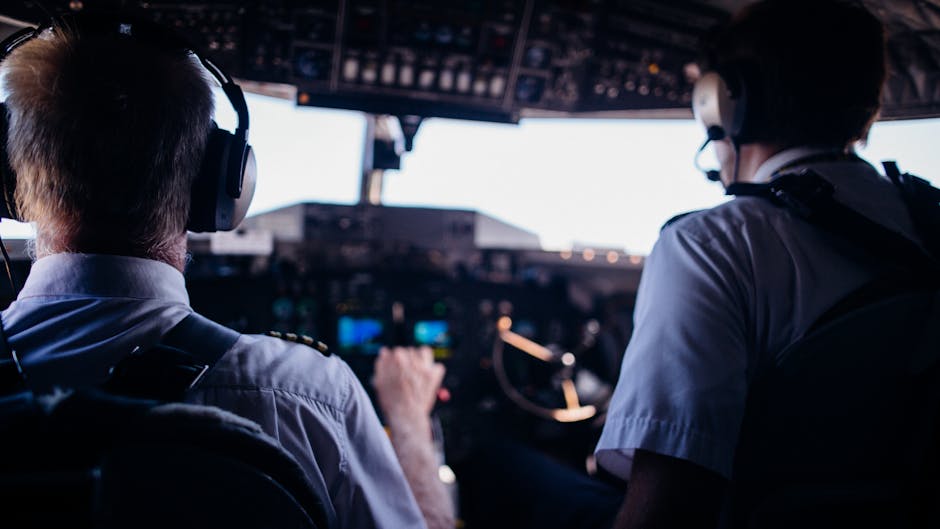
The transition from military aviation to commercial airlines is becoming increasingly common. Boeing’s Pilot and Technician Outlook projects that North America will need more than 123,000 new pilots over the next 20 years, creating significant opportunities for military aviators considering civilian careers. But while many military pilots have thousands of flight hours and extensive operational experience, the shift into airline hiring often involves a very different process than expected.
For many transitioning pilots, the challenge isn’t flying the aircraft. It’s learning how to present military experience in a way that airline recruiters and hiring panels immediately understand. Think of it like switching from one aircraft platform to another: the core skills still matter, but the environment, terminology, and expectations can change dramatically.
Why Airlines Value Military Pilots
Military pilots often bring qualities airlines actively look for, including discipline, leadership, crew coordination, and experience operating under pressure. Many have flown in demanding conditions and worked within highly structured operational systems that closely align with airline safety culture.
Airlines also value pilots who can communicate clearly, follow procedures, and work effectively within a crew environment. These qualities are deeply ingrained in military aviation training. However, transitioning pilots sometimes underestimate how much emphasis airline interviews place on communication style, behavioral responses, and professionalism during the hiring process.
That’s why many experts recommend preparing specifically for civilian airline interviews rather than relying solely on flight experience.
The Biggest Adjustment Is Often The Interview Process
One of the most surprising parts of the transition for many military aviators is the interview itself. Airline hiring panels are designed to evaluate more than technical competence. Recruiters often assess communication skills, leadership style, decision-making, and how candidates respond to high-pressure questions.
Behavioral interview questions are especially common. Instead of focusing entirely on aircraft systems or procedures, interviewers may ask candidates to explain how they handled conflict, worked through difficult decisions, or managed challenging crew situations.
For military pilots, translating those experiences into concise, relatable answers can take practice.
How Pilot Interview Prep Helps
This is where airline interview preparation becomes valuable. Structured coaching and mock interview sessions help candidates organize their experiences in a way that feels natural and relevant to civilian hiring panels.
Many military pilots are accustomed to technical debriefs or operational evaluations, but airline interviews tend to focus heavily on interpersonal communication and scenario-based responses. Mock interviews allow candidates to practice answering HR pilot interview questions, refine storytelling techniques, and become more comfortable discussing leadership experiences outside a military framework.
Organizations specializing in pilot interview prep services, such as Emerald Coast Interview Consulting, often emphasize that preparation is about clarity rather than memorization. Their experts say that the goal is to help pilots communicate their experience confidently without sounding overly rehearsed.
Understanding Airline Culture Matters
Another important part of the transition is understanding airline culture. Military aviation and commercial aviation operate differently in several key areas, including communication style, customer interaction, and crew resource management expectations.
Commercial airlines typically place strong emphasis on collaboration, professionalism, and adaptability. During interviews, candidates may be evaluated on how well they fit into a crew-based airline environment rather than purely on technical ability.
According to several airline interview coaches, one of the most common mistakes transitioning pilots make is assuming airlines evaluate candidates the same way the military does. In reality, civilian hiring panels often focus more heavily on communication and personality fit.
As one aviation career advisor recently explained, “The interview is often where airlines decide whether a qualified pilot feels like the right fit for the cockpit.”
Preparing For A Successful Career Transition
The move from military pilot to airline pilot can be both exciting and stressful. Between resume preparation, simulator evaluations, technical assessments, and behavioral interviews, the hiring process often feels unfamiliar even for highly experienced aviators.
Preparation helps reduce that uncertainty. Reviewing airline pilot interview guides, participating in mock interviews for pilots, and practicing communication skills can make a significant difference during hiring evaluations.
For many transitioning military pilots, the process is ultimately about translating years of valuable aviation experience into language and examples that resonate within the commercial airline industry. With airline hiring expected to remain active for years to come, strong preparation may help qualified candidates stand out in an increasingly competitive field.
Emerald Coast Interview Consulting
City: N/A
Address: N/A
Website: https://emeraldcoastinterviewconsulting.com/
Phone: +1 850 774 6712
Email: support@emeraldcoastprep.com


Comments
Post a Comment