How to Ensure Corporate Compliance and Governance in the US and Canada
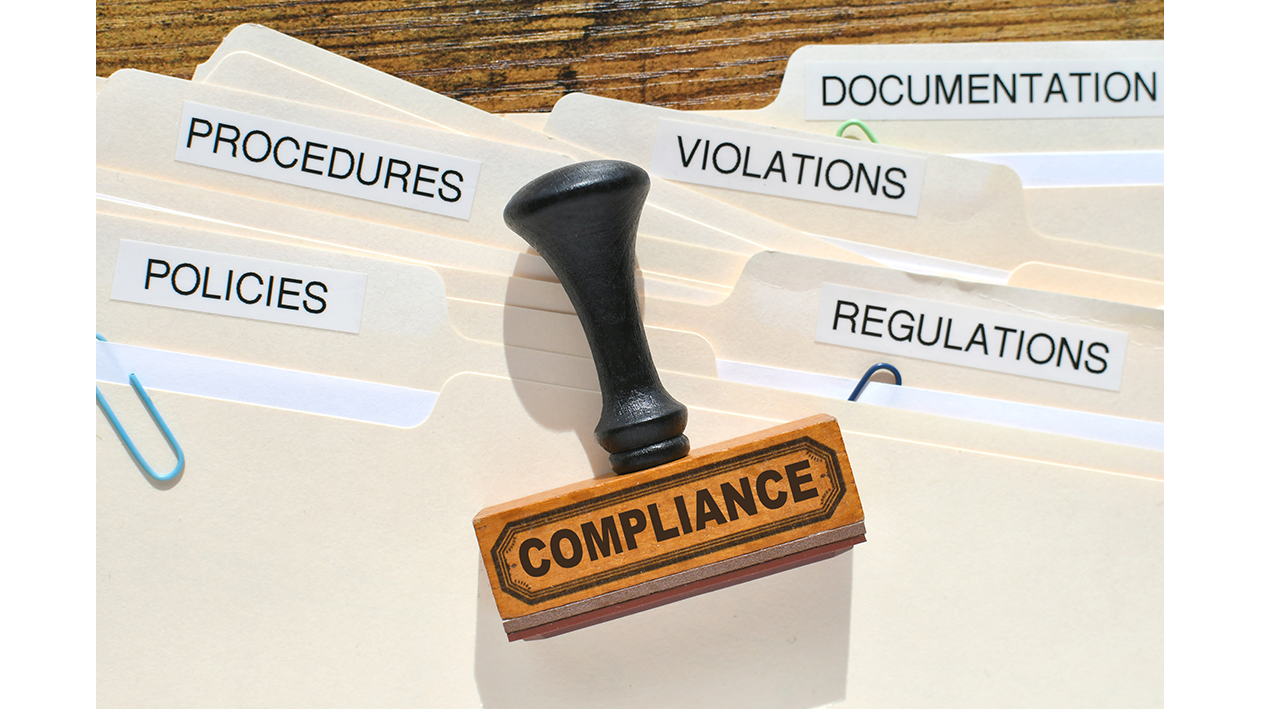
Corporate governance can sound like a formal legal concept, but for business owners, it is really about how the company is managed and controlled. It shapes who has authority to make decisions, how those decisions are documented, and whether the company is meeting its legal obligations.
For companies operating in Canada and the United States, the issue can become more layered. A business may need to comply with the law where it was formed, where it operates, and where its directors, shareholders, or investors are located. That is why governance and compliance should be treated as ongoing business responsibilities, not one-time setup tasks.
Governance starts with the company structure
The first step is understanding the company’s legal structure.
A corporation, limited liability company, partnership, parent company, or subsidiary can each carry different obligations. The rules may also vary depending on whether the company is federally incorporated, provincially incorporated, or formed under a U.S. state law.
In Canada, corporations may be governed by federal law or by the law of a province or territory. In the U.S., many corporate obligations are determined at the state level, including annual reports, franchise taxes, registered agent requirements, and recordkeeping rules.
For cross-border businesses, structure matters even more. A Canadian company with U.S. operations, or a U.S. company expanding into Canada, may need to clarify which entity owns assets, signs contracts, hires employees, raises capital, or reports to investors. A structure that works at launch may not be the right structure once the business grows.
Directors and officers need clear roles
Corporate governance depends on knowing who is responsible for what. Directors usually oversee major corporate decisions and the company’s broader direction. Officers typically manage daily operations. Shareholders or members hold ownership interests and may have voting or approval rights depending on the company’s governing documents.
In smaller businesses, the same person may act as shareholder, director, and officer. That is common, but it does not remove the need to follow proper procedures.
Important decisions should still be approved and recorded. These may include issuing shares, entering major contracts, taking on debt, approving budgets, appointing officers, opening subsidiaries, or selling significant assets. Clear roles help prevent confusion and reduce the risk of disputes later.
Corporate records are not just paperwork
Good records are one of the most practical parts of compliance. Corporate records help show that the company was properly formed, maintained, and authorized to act. They also matter when a business applies for financing, brings in investors, sells shares, completes a merger, or responds to a legal dispute.
Common records may include:
- articles or formation documents,
- bylaws or operating agreements,
- shareholder or member agreements,
- director and shareholder resolutions,
- meeting minutes,
- share registers or ownership ledgers,
- annual filings,
- tax registrations,
- major contracts,
- licences and permits.
If records are incomplete or outdated, routine business steps can become harder. Investors, lenders, buyers, and regulators may ask for proof that the company is in good standing and that past decisions were properly approved.
Annual filings and deadlines should be tracked
Many compliance problems start with missed deadlines. Companies may need to file annual returns, update director or officer information, maintain a registered office or registered agent, renew business names, pay franchise taxes, or update beneficial ownership information.
These requirements vary by jurisdiction. A company formed in one place but operating in another may have obligations in both locations.
That is why a compliance calendar can be useful. It should track annual filing dates, tax deadlines, licence renewals, board approvals, insurance renewals, and reporting obligations.
Missing a filing may seem minor, but it can affect good standing, delay financing, or create issues during a transaction.
Shareholder and investor rights should be managed carefully
Governance becomes more important when ownership changes.
Issuing shares, admitting new members, creating option plans, raising capital, or bringing in investors can change the company’s rights and obligations. These steps should be documented carefully and reviewed before they happen.
Shareholder agreements, investor rights agreements, voting agreements, and option plans can affect control, transfers, exits, financing rounds, and dispute resolution.
For private companies, compliance may also involve securities rules. Even if the company is not publicly traded, issuing securities can still require exemptions, filings, disclosures, or investor eligibility checks.
The key point is that ownership changes should not be treated as informal business decisions. They can affect control and compliance long after the transaction closes.
Cross-border companies need extra coordination
Businesses operating in both Canada and the U.S. often face added governance questions.
These may include:
- which entity signs contracts,
- which entity owns intellectual property,
- where employees are hired,
- how revenue moves between entities,
- which board approves major decisions,
- where investor rights sit,
- how future financing will be structured,
- what filings are required in each jurisdiction.
Without coordination, a company may end up with inconsistent records, unclear authority, or compliance gaps between jurisdictions.
Cross-border governance should be reviewed before major events such as expansion, fundraising, restructuring, acquisition, or sale.
Compliance policies should match the business
Policies are most useful when they reflect how the company actually operates. A growing company may need policies for signing authority, conflicts of interest, privacy, cybersecurity, employment practices, financial approvals, document retention, and related-party transactions.
These policies do not need to be overly complicated. The goal is to make it clear who can approve decisions, what records must be kept, and when legal or board review is required.
As the business grows, policies should be updated to reflect new risks, new jurisdictions, and new stakeholders.
Governance is ongoing, not one-time
One common mistake is treating corporate compliance as something completed when the company is formed. In reality, governance continues throughout the life of the business. Each financing round, leadership change, shareholder change, contract, acquisition, or expansion can create new obligations.
Regular governance reviews can help identify issues before they become expensive. These reviews may include checking corporate records, confirming filings, reviewing shareholder agreements, updating policies, and making sure the right entity is making the right decisions.
Strong governance supports growth
Corporate governance and compliance are not only about avoiding problems. They also help a company operate with more confidence.
Clean records, clear authority, current filings, and well-managed investor rights can make it easier to raise capital, enter contracts, expand across borders, and prepare for a sale or succession.
For businesses operating in Canada, the U.S., or both, governance should be part of the company’s growth strategy.
For support with corporate structure, compliance, contracts, and cross-border business matters, explore Pace Law Firm’s Corporate and Commercial legal guidance to learn more
Pace Law Firm
City: Toronto
Address: 191 The West Mall
Website: https://pacelawfirm.com


Comments
Post a Comment