How To Distribute Flyers Effectively? Bay Area Outdoor Ad Expert Offers Tips
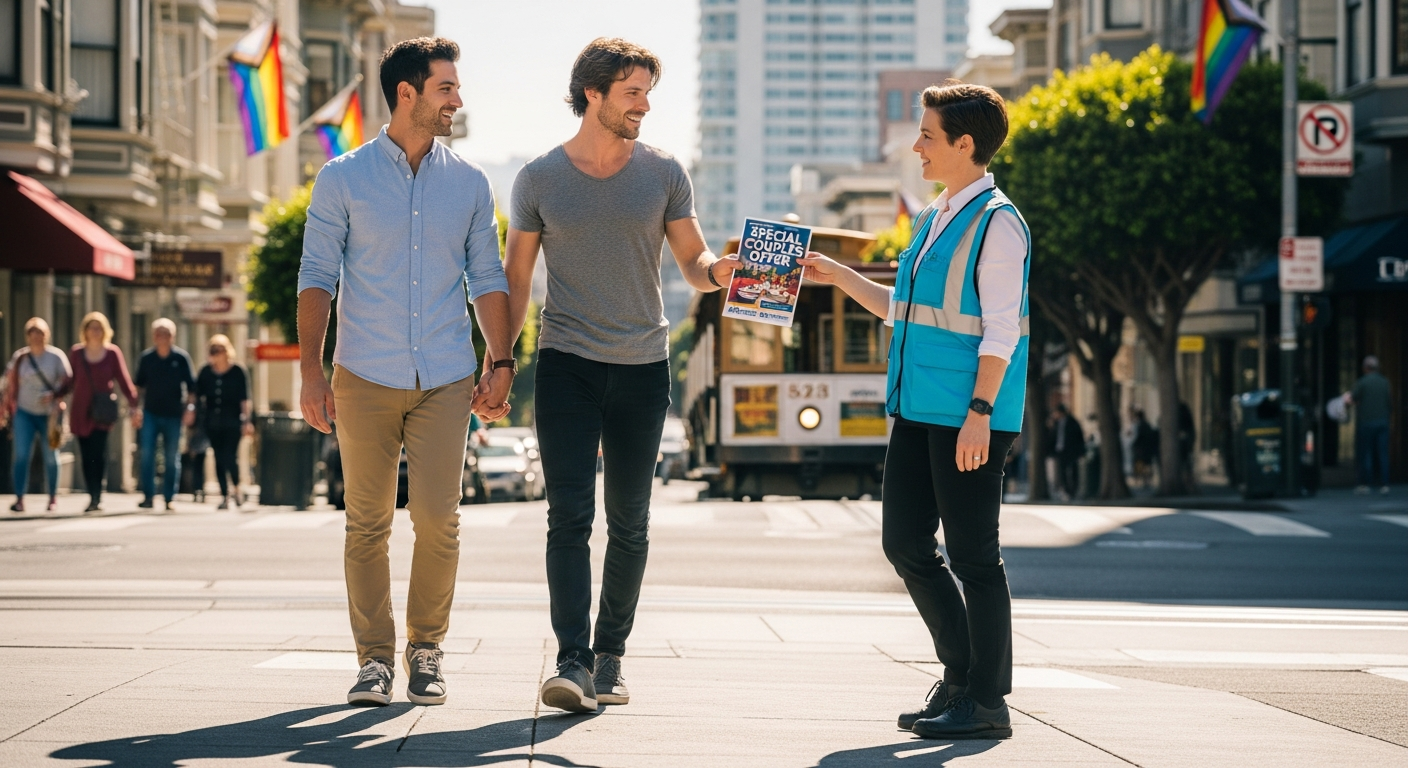
Key Takeaways
- Strategic flyer distribution requires targeting specific demographics and high-traffic locations to maximize return on investment.
- Eye-catching design with bold headlines and clear calls to action significantly improves conversion rates.
- Tracking methods like unique discount codes and QR codes help measure campaign effectiveness and optimize future distributions.
- Integrating physical flyers with digital marketing creates a powerful multi-channel approach that bridges offline and online engagement.
Why Flyers Remain One of the Most Cost-Effective Marketing Tools
Flyers continue to deliver exceptional value in an increasingly digital marketplace. These tangible marketing pieces cut through the noise of online advertisements, providing a physical touchpoint that potential customers can hold and reference later. Unlike digital ads that disappear with a scroll or click, flyers create lasting impressions and offer immediate visibility without relying on internet connectivity or device screens.
The cost-effectiveness of flyer distribution becomes particularly evident when comparing reach versus investment. A well-executed campaign can deliver thousands of impressions for a fraction of digital advertising costs. The versatility factor amplifies this value - flyers work equally well for grand openings, seasonal promotions, service announcements, or community event marketing. San Francisco-based experts from Special Interest Marketing & Advertising Inc. (SIMAA) have observed that businesses achieving the highest returns from flyer campaigns focus on strategic distribution rather than mass distribution.
Define Your Target Audience First
Successful flyer distribution begins with crystal-clear audience identification. Rather than casting a wide net, effective campaigns zero in on specific demographics, psychographics, and purchasing behaviors. This foundational step ensures every flyer reaches individuals most likely to convert into customers, maximizing marketing budgets and improving response rates.
1. Research Demographics and Shopping Behaviors
Understanding who buys your products or services involves analyzing age groups, income levels, lifestyle preferences, and shopping patterns. A landscaping company, for example, should target homeowners in specific neighborhoods rather than apartment renters. Restaurant owners benefit from understanding local dining preferences, peak meal times, and price sensitivity. This demographic research reveals not just who to target, but how to craft messages that resonate with their specific needs and motivations.
2. Choose Neighborhoods Where They Live and Work
Geographic targeting transforms generic flyer distribution into precision marketing. Distributing flyers in areas where potential customers live, work, or frequently visit dramatically increases conversion chances. A children's tutoring service achieves better results focusing on family-oriented neighborhoods near quality schools rather than young professional districts. Business services companies should prioritize commercial areas and office complexes over residential zones.
3. Match Distribution Timing to Audience Schedules
Strategic timing maximizes receptiveness to marketing messages. Distributing flyers for weekend events during the preceding weekdays builds anticipation and allows planning time. Rush hour distribution at transit hubs captures commuters when they have reading time, while lunch-hour distribution near business districts reaches decision-makers during natural break periods. Understanding when target audiences are most receptive and available significantly improves campaign effectiveness.
Select High-Traffic Locations That Convert
Location selection can make or break flyer distribution campaigns. High-traffic areas provide volume, but the key lies in choosing locations where traffic aligns with target demographics and purchasing intent. Smart location choices combine visibility with relevance, ensuring flyers reach people already in a mindset to engage with local businesses.
Shopping Centers and Business Districts
Shopping centers concentrate consumers already in purchasing mode, making them prime flyer distribution locations. These venues offer natural gathering points where people expect to encounter promotional materials. Business districts provide access to professionals and decision-makers during lunch hours and after-work periods. The key involves understanding foot traffic patterns and positioning distribution efforts during peak activity windows for maximum exposure.
Community Events and Local Festivals
Community gatherings create ideal flyer distribution opportunities because attendees arrive with engagement expectations. Local festivals, farmers markets, and community fairs attract residents interested in supporting local businesses. These events provide permission-based marketing environments where people welcome information about local services and upcoming events. The community atmosphere often translates into higher conversion rates compared to cold distribution methods.
Public Transportation Hubs During Peak Hours
Transit stations, bus stops, and subway platforms offer captive audiences with reading time during commutes. Peak hours concentrate large numbers of people in confined spaces, creating natural distribution opportunities. Commuters often appreciate relevant local information, especially for services near their route or destination. Morning and evening rush periods provide the highest volume, while off-peak times may offer better individual engagement opportunities.
Design Flyers That Demand Attention
In environments saturated with visual stimuli, flyer design determines whether marketing messages get noticed or ignored. Effective designs balance eye-catching elements with clear information hierarchy, ensuring key messages communicate instantly while supporting details remain accessible for interested readers.
Use Bold Headlines and Vibrant Colors
Bold headlines serve as the primary attention-grabbing element, competing with countless other visual distractions. Effective headlines communicate primary benefits or urgent calls to action within seconds of viewing. Vibrant colors create visual contrast that draws eyes from across busy spaces, but color choices should align with brand identity and message tone. High-contrast combinations ensure readability while bright accents highlight critical information like contact details or special offers.
Include Clear Calls to Action
Strong calls to action transform interest into measurable responses. Vague instructions like "contact us" generate fewer responses than specific directions such as "Call now for your free consultation" or "Visit our website for exclusive 20% savings." Multiple contact options accommodate different communication preferences - phone numbers for immediate needs, websites for detailed information, and physical addresses for location-based services. QR codes bridge physical and digital engagement, allowing instant access to online content.
Build Local Business Partnerships
Strategic partnerships amplify flyer distribution reach while building community credibility. Collaborative approaches reduce individual marketing costs while expanding audience access through established customer relationships. These partnerships create win-win scenarios where complementary businesses support each other's growth.
Partner with Complementary Services
Complementary service partnerships create natural cross-promotion opportunities without direct competition concerns. A landscaping company partnering with garden centers, real estate agents, or home improvement stores reaches homeowners already interested in property improvement. Fitness trainers collaborating with nutritionists, sports equipment stores, or health food cafes access audiences committed to wellness goals. These partnerships use existing customer trust while expanding market reach.
Cross-Promote at Strategic Retail Locations
Retail location partnerships provide consistent flyer distribution opportunities through established customer traffic. Coffee shops, bookstores, community centers, and waiting areas in professional offices offer natural bulletin board spaces or counter displays. These locations benefit from providing valuable local information to customers while businesses gain ongoing exposure without constant distribution efforts. Successful retail partnerships require mutual benefit and respect for space limitations.
Track Results With Measurable Methods
Measuring flyer campaign effectiveness transforms marketing from guesswork into data-driven strategy. Without tracking mechanisms, businesses cannot identify successful distribution methods or optimize future campaigns. Smart tracking approaches provide clear attribution between flyer distribution and business results.
1. Use Unique Discount Codes and QR Codes
Unique promotional codes create direct attribution links between flyers and sales. Each distribution location or campaign wave receives distinct codes, revealing which areas generate highest conversion rates. QR codes modernize this approach by enabling instant digital engagement while maintaining tracking capabilities. These codes link to special landing pages, exclusive offers, or contact forms that capture lead information for follow-up marketing.
2. Create Dedicated Phone Numbers and URLs
Dedicated contact methods provide clear campaign attribution for different distribution channels. Separate phone numbers or website URLs for flyer campaigns distinguish these leads from other marketing sources. This separation enables accurate ROI calculations and identifies most effective distribution locations. Dedicated numbers also allow customized messaging that reinforces flyer content and maintains campaign continuity.
3. Monitor Conversion Rates by Location
Location-specific tracking reveals geographic patterns in customer response rates. Some neighborhoods or venue types consistently outperform others, indicating better audience alignment or distribution timing. Focused door-to-door campaigns in targeted areas have shown significant improvements in brand awareness and customer acquisition, demonstrating the power of location-focused distribution. This data guides future campaign focus and budget allocation toward highest-performing areas.
Integrate Flyers With Digital Marketing
Modern marketing success requires seamless integration between physical and digital channels. Flyers serve as entry points that direct recipients toward online experiences, creating multiple touchpoints that reinforce marketing messages and provide ongoing engagement opportunities.
Bridge Physical and Online Engagement
QR codes and custom URLs transform static flyers into interactive marketing tools that connect physical distribution with digital content. These connections enable immediate access to detailed product information, customer testimonials, virtual tours, or exclusive online offers that extend beyond flyer space limitations. Integration also enables retargeting opportunities through website visits and social media engagement, maximizing long-term value from each flyer distribution.
Follow Up With Social Media and Email
Flyer-generated leads require systematic follow-up through digital channels to maximize conversion potential. Email sequences nurture initial interest with additional information, customer success stories, and time-sensitive offers. Social media connections maintain ongoing visibility and enable community building around local businesses. This multi-channel approach keeps brands visible throughout customer decision-making processes, increasing conversion likelihood compared to single-touch campaigns.
Strategic Flyer Distribution Creates Lasting Local Impact
Effective flyer distribution combines strategic thinking with tactical execution to generate measurable local business growth. Success requires understanding target audiences, selecting optimal locations, designing attention-grabbing materials, and implementing tracking systems that guide continuous improvement. "When businesses approach flyer distribution as a sophisticated marketing channel rather than simple paper distribution, results consistently exceed expectations and provide strong returns on investment," says a spokesperson for SIMAA.
The integration of traditional flyer distribution with modern digital marketing creates powerful customer acquisition systems that work across multiple touchpoints. Local businesses implementing these approaches build stronger community connections while achieving sustainable growth through cost-effective marketing methods.
Special Interest Marketing & Advertising Inc.
City: Oakland
Address: 610 16th Street
Website: http://www.simaapublicity.com


Comments
Post a Comment