Harmful Chemicals in Soap: 5 Ingredients That Don't Belong in Your Home
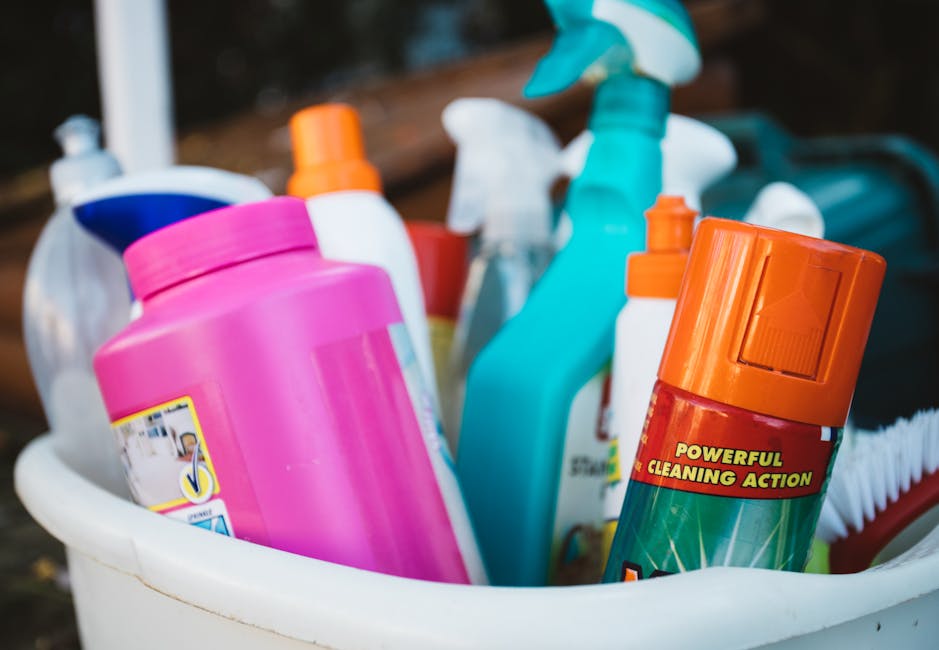
Most people do not spend much time thinking about what is in their dish soap or bathroom cleaner. You buy it, you use it, it works. The surface gets clean, the smell is fresh, and that feels like enough.
The problem is that cleaning power and chemical safety are not the same thing. Some of the most common ingredients in household soap-based cleaners have been linked to skin irritation, hormonal disruption, and long-term health concerns, and they are sitting in cabinets in millions of homes right now.
How Soap Became Both a Public Health Tool and a Hidden Risk
Soap transformed modern hygiene and literally extended lifespans. The ability to cut through grease, kill bacteria, and rinse away contaminants has saved more lives than most medical interventions.
But commercial soap formulations have come a long way from their original form, and not always in the right direction. In the push for longer shelf life, stronger performance, and lower production costs, manufacturers have introduced a range of synthetic compounds that do the job while introducing risks that were never part of the original bargain.
5 Harmful Chemicals Commonly Found in Soap-Based Cleaners
- Sodium lauryl sulfate (SLS). The ingredient responsible for that satisfying lather, SLS is a known skin irritant that strips the skin's natural oils and can aggravate conditions like eczema. It is also toxic to aquatic organisms when it enters waterways.
- Parabens. Used as preservatives to extend shelf life, parabens have been detected in human tissue and are suspected of interfering with hormone function. They appear on labels as methylparaben, propylparaben, or butylparaben.
- Triclosan. An antibacterial agent once found in everything from hand soap to toothpaste, triclosan has been linked to hormone disruption and the development of antibiotic-resistant bacteria. The FDA banned it from some products in 2016, but it still appears in others.
- Synthetic fragrances. The word "fragrance" on a label can legally represent dozens of undisclosed chemicals, some of which are allergens, irritants, or known toxins. Manufacturers are not required to list them individually.
- 1,4-dioxane. A byproduct of certain manufacturing processes rather than an intentional ingredient, 1,4-dioxane is a probable human carcinogen that does not appear on labels at all. It has been detected in a wide range of mainstream cleaning and personal care products.
Why Soap-Free Cleaners Are Getting a Longer Look
Growing awareness of these ingredients has pushed a segment of consumers and manufacturers toward soap-free formulations. These products achieve cleaning results through alternative mechanisms, such as plant-derived enzymes or mineral-based compounds, without relying on the synthetic additives that make conventional soaps a concern.
The category has matured considerably. Soap-free household cleaners are no longer niche products sold only in health food stores — they're increasingly available in mainstream retail and, more importantly, increasingly effective at the actual job of cleaning. Part of that shift comes down to formulation science catching up with consumer demand: plant-derived enzymes and mineral-based compounds can now match the cleaning power of their synthetic counterparts without the added baggage.
How to Choose a Soap-Free Household Cleaner
- Read the full ingredient list. If a product does not disclose its ingredients, that alone is a reason to look elsewhere. Transparency should be a baseline expectation.
- Look for third-party certifications. Certifications such as EPA Safer Choice, MADE SAFE, or EWG Verified indicate that a product's formulation has been independently assessed against safety standards. They are not guarantees, but they are meaningful signals.
- Avoid vague fragrance claims. Choose products that either use no fragrance or disclose their fragrance ingredients specifically. "Natural fragrance" is only marginally better than "fragrance" if the components are still undisclosed.
Clean Homes and Safe Homes Are No Longer a Trade-Off
For a long time, the assumption was that effective cleaning required the kinds of industrial-strength ingredients that came with trade-offs. That is no longer true.
Soap-free options have closed the performance gap, and families no longer have to choose between a product that works and one they feel comfortable using around children, pets, and sensitive skin. The safer choice, increasingly, is also the practical one.
Plus Manufacturing, Inc.
City: Spokane
Address: 2704 N Madelia St
Website: https://soapfreeprocyon.com/


Comments
Post a Comment