Gout Pain Relief At Home: Top Hydrotherapy Treatments & Methods Compared
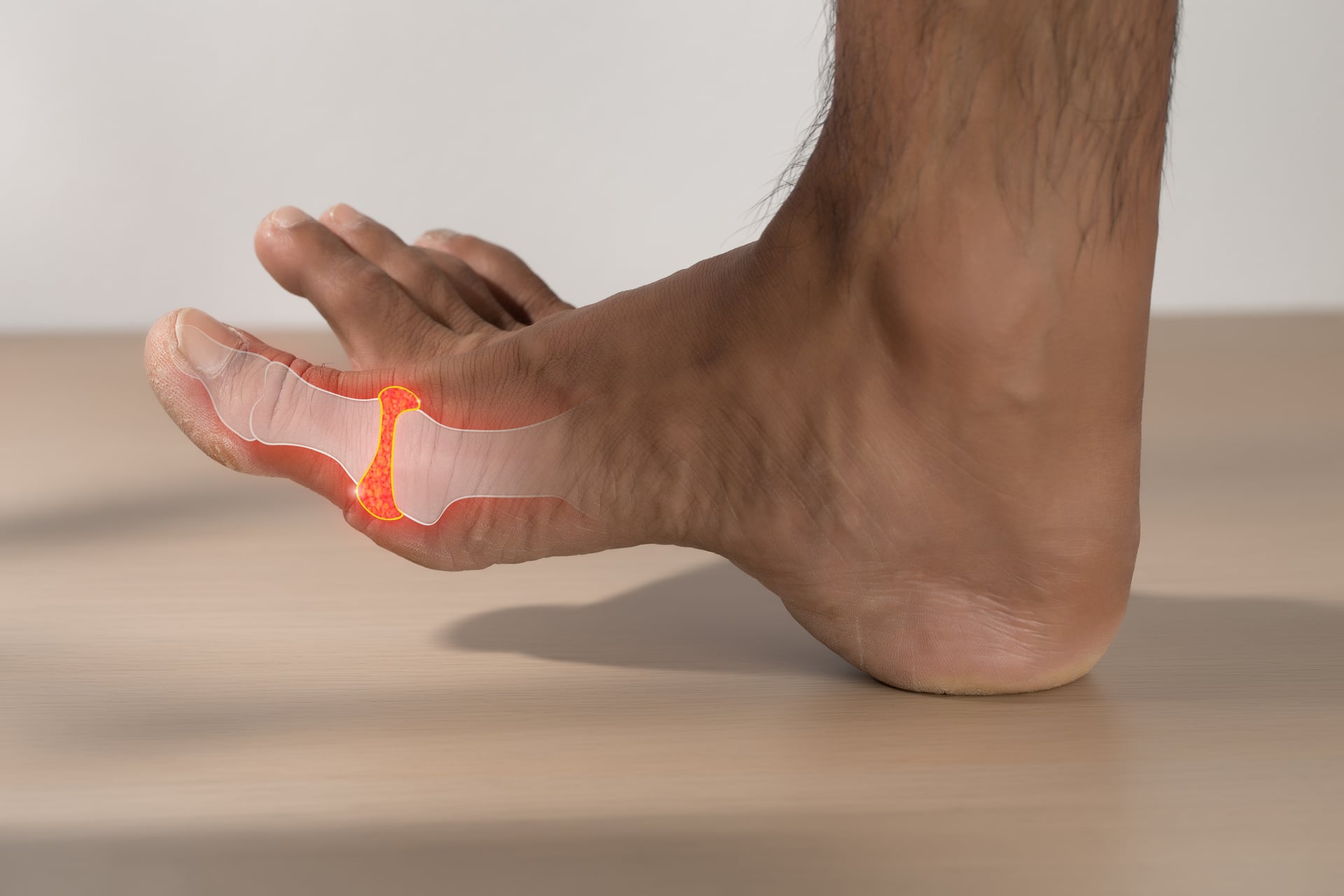
Key Takeaways
- Hydrotherapy offers meaningful at-home gout pain relief by improving circulation, reducing inflammation, and supporting the body's natural healing processes between and during flare-ups
- Temperature therapy timing matters: cold applications help during active flares, while warm water therapy works best between episodes for circulation and stiffness relief
- Epsom salt soaks provide anti-inflammatory benefits through magnesium absorption, with emerging research suggesting potential effects on uric acid levels
- Ionic foot spa technology creates concentrated negative ion environments which proponents suggest may support internal detoxification and stress reduction beyond traditional heat therapy.
- The most effective hydrotherapy approach combines stress reduction, sleep improvement, and realistic expectations for complementary gout management
Living with gout means dealing with sudden, intense joint pain that can make even the softest bedsheet unbearable against inflamed skin. While medical treatment remains essential for long-term uric acid management, hydrotherapy offers a powerful complement that addresses both immediate pain relief and underlying inflammation patterns. From temperature therapy fundamentals to advanced ionic technology, understanding these at-home methods can transform how individuals manage their symptoms naturally.
What Makes Hydrotherapy an Effective Complement to Medical Gout Treatment
Hydrotherapy works by targeting multiple pathways involved in gout inflammation. The warm water in foot baths helps increase circulation around affected joints, promoting the movement of inflammatory compounds away from crystal deposits. This improved blood flow also delivers fresh oxygen and nutrients to damaged tissues, supporting faster healing during flare-ups.
Scientific studies demonstrate that hydrotherapy, particularly warm water soaks, can manage gout symptoms by promoting blood circulation, relaxing muscles, and reducing inflammation and tension. The gentle hydrostatic pressure of water creates a natural compression effect that helps reduce swelling without aggravating sensitive joints.
Beyond immediate physical relief, hydrotherapy activates the parasympathetic nervous system, shifting the body from stress response to recovery mode. This neurological change helps regulate cortisol levels and supports better sleep quality, both crucial factors in managing chronic inflammatory conditions like gout. Healifeco's comparison of leading foot bath technologies highlights how different hydrotherapy approaches can maximize these complementary benefits.
Temperature Therapy Fundamentals: Cold, Warm, and Heat Applications
Temperature selection in hydrotherapy significantly impacts treatment outcomes for gout sufferers. Each temperature range activates different physiological responses, making timing and application method crucial for optimal results.
Cold Therapy for Active Flares: Immediate Pain and Swelling Relief
During an active gout flare-up, cold therapy provides the most immediate relief by numbing nerve endings and reducing inflammatory swelling. Cold applications work by constricting blood vessels, which limits the flow of inflammatory compounds to the affected joint. Ice water soaks or cold compresses applied for 15-20 minutes can significantly reduce pain intensity.
However, cold therapy requires careful consideration. While cold therapy provides temporary pain relief, some research suggests that cold temperatures may encourage uric acid crystal formation in joints and impair local blood circulation, making short, targeted applications more effective than extended cold soaks.
Warm Water Benefits Between Flares: Circulation and Stiffness Relief
Warm water therapy between gout episodes offers the most benefits for long-term management. Water temperatures between 95°F and 100°F promote optimal circulation without triggering inflammatory responses. This temperature range helps dissolve uric acid crystals more effectively while supporting joint mobility.
Research indicates that warming affected joints in hot water with gentle movement can help reduce urate concentration and prevent crystal formation. The improved circulation carries away metabolic waste products and delivers anti-inflammatory compounds naturally produced by the body. Regular warm water soaks also help maintain joint flexibility, reducing stiffness that often persists after acute flares resolve.
Heat Application Timing: When to Avoid During Acute Episodes
High heat applications above 104°F should be avoided during active gout flares, as excessive heat can increase blood flow too rapidly, potentially worsening swelling and pain. The inflammatory response during acute episodes involves significant blood vessel dilation, and additional heat can overwhelm the body's natural regulation mechanisms.
Timing heat therapy correctly means waiting until initial inflammation subsides, typically 48-72 hours after flare onset. During this transition period, moderate warm water provides a gentle approach, offering circulation benefits without risk of symptom aggravation.
Epsom Salt Foot Soaks: Anti-inflammatory Effects and Potential Uric Acid Benefits
Epsom salt (magnesium sulfate) transforms standard foot soaks into therapeutic treatments by adding measurable anti-inflammatory benefits. While the extent of transdermal magnesium absorption is debated, many sources suggest that magnesium from Epsom salt can be absorbed through the skin during soaking, providing localized relief that goes beyond simple heat therapy by contributing to anti-inflammatory effects.
Magnesium's Role in Reducing Joint Inflammation
Magnesium acts as a natural anti-inflammatory agent by regulating calcium channels in cell membranes and reducing the production of inflammatory cytokines. During Epsom salt soaks, magnesium absorption through foot skin provides direct anti-inflammatory effects at the treatment site. This localized magnesium delivery can reduce joint swelling and ease pain caused by uric acid crystal deposits.
The anti-inflammatory mechanism of magnesium works by stabilizing cell membranes and reducing the production and release of various inflammatory mediators, including cytokines. Regular magnesium exposure, potentially through foot soaks, may contribute to overall magnesium status, which in turn can help modulate the immune system's inflammatory response and potentially reduce gout flare intensity and frequency over time.
Emerging Research on Magnesium and Uric Acid Levels
While Epsom salt soaks don't directly lower blood uric acid levels, emerging research suggests magnesium may influence uric acid metabolism in interesting ways. Magnesium deficiency has been associated with increased inflammation and altered purine metabolism, both factors that can worsen gout symptoms.
Some studies indicate that adequate magnesium levels support kidney function and may improve uric acid excretion. While transdermal magnesium absorption through foot soaks can provide localized benefits, regular use may also contribute to overall magnesium status, potentially supporting the body's natural uric acid regulation mechanisms.
Understanding Ionic Foot Spa Benefits
Ionic foot spa technology uses electrolysis to create environments with charged ions, which proponents suggest may support internal detoxification and stress reduction beyond traditional heat therapy.
How Oxidative Stress Contributes to Gout Inflammation
Oxidative stress plays a crucial role in the development and progression of hyperuricemia and gout, with hyperuricemia linked to increased generation of reactive oxygen species. These free radicals damage cellular structures and trigger inflammatory cascades that worsen gout symptoms. The inflammatory response to uric acid crystals generates additional oxidative stress, creating a self-perpetuating cycle.
Research demonstrates that gout sufferers typically show elevated markers of oxidative stress even between flare-ups. This chronic oxidative burden contributes to ongoing joint damage and may increase flare frequency. Understanding this mechanism helps explain why antioxidant interventions, including those that provide electrons to neutralize free radicals, may offer therapeutic benefits.
Internal Detox Support, Not External Removal
Rather than "drawing toxins out" through water color changes, which are primarily a result of electrolysis and mineral interaction, proponents suggest the therapeutic mechanism involves electron transfer to support internal detoxification processes. Scientific evidence for this direct internal detoxification via ionic foot spas is limited but promising. The negatively charged environment created during ionic sessions theoretically provides electrons that can neutralize free radicals within the body.
This approach parallels grounding (earthing) research, which shows that transferring electrons from the Earth to the body can neutralize free radicals and reduce oxidative stress, thereby decreasing inflammation. Ionic foot spas essentially concentrate this electron transfer process using water as a superior conductor, creating what some researchers describe as "amplified grounding sessions."
Products Employ A Combined Approach
Modern ionic foot spas integrate multiple therapeutic mechanisms simultaneously. The warm water provides traditional circulation benefits, while the ionic environment potentially supports cellular-level antioxidant processes. Salt addition creates electrolyte balance that may improve ion absorption through foot skin.
User reports suggest improvements in sleep quality, energy levels, and joint pain following ionic foot spa sessions. While more research is needed to fully understand these mechanisms, the combination of proven hydrotherapy benefits with potential bioelectrical effects offers a multifaceted approach to gout management that addresses both symptoms and underlying inflammatory processes.
Stress Reduction and Sleep: How Hydrotherapy Supports Overall Gout Management
The relationship between stress, sleep quality, and gout flare frequency makes hydrotherapy's neurological benefits particularly valuable for long-term management. Beyond direct anti-inflammatory effects, water therapy provides measurable stress reduction that impacts gout progression.
Autonomic Nervous System Benefits of Warm Water Therapy
Studies on hydrotherapy, including warm foot baths, have shown modulation of the autonomic nervous system, leading to improved vagal tone and reduced anxiety. This neurological shift from sympathetic (stress response) to parasympathetic (recovery) dominance creates favorable conditions for healing and inflammation resolution.
Constitutional hydrotherapy, which involves alternating hot and cold compresses, supports the parasympathetic nervous system (rest and repair), boosts circulation, and aids detoxification processes. The vagal stimulation triggered by warm water immersion helps regulate inflammatory responses and supports the body's natural healing mechanisms.
This autonomic nervous system modulation explains why hydrotherapy often provides benefits that extend beyond the treatment session. Users frequently report improved mood, better stress tolerance, and improved overall well-being that contributes to reduced gout flare frequency over time.
Indirect Gout Relief Through Stress and Sleep Improvement
Chronic stress elevates cortisol levels, which can worsen inflammation and potentially trigger gout flares. Poor sleep quality compounds this problem by preventing proper inflammatory resolution and cellular repair. Hydrotherapy addresses both issues by promoting relaxation and improving sleep quality through neurological pathway activation.
The warm water immersion triggers the release of endorphins and can influence neurotransmitters like serotonin, both of which contribute to relaxation and may support better sleep quality. Improved sleep quality allows for proper inflammatory resolution and supports the body's natural uric acid regulation mechanisms. This creates a positive feedback cycle where better sleep reduces inflammation, which in turn supports better sleep quality.
Regular hydrotherapy sessions can help establish healthier stress response patterns and sleep cycles, providing long-term benefits that complement medical gout treatment. This holistic approach addresses root causes rather than just managing symptoms.
Hydrotherapy as Supportive Care: Realistic Expectations for Gout Relief
Setting appropriate expectations for hydrotherapy outcomes helps maximize benefits while maintaining realistic perspectives on treatment limitations. Hydrotherapy methods such as ionic foot bathing work best as complementary care rather than primary treatment, supporting medical management through multiple therapeutic pathways.
Hydrotherapy cannot cure gout or directly lower blood uric acid levels that require dietary changes, medication, and lifestyle modifications. However, it provides meaningful symptom relief, supports faster flare resolution, and may help reduce flare frequency through stress reduction and improved circulation. Many users report noticeable benefits within the first few sessions, and consistent use is generally recommended for sustained improvements.
The most realistic expectations include reduced pain intensity during flares, shorter recovery times, improved joint mobility between episodes, better sleep quality, and improved overall well-being. These benefits work synergistically with medical treatment to improve quality of life and long-term gout management outcomes. Individual responses vary, but the low-risk nature of hydrotherapy makes it an accessible option for most gout sufferers seeking natural symptom relief.
Healifeco
City: Sheridan
Address: 1309 Coffeen Avenue
Website: https://www.healifeco.com/


Comments
Post a Comment