Functional Medicine Explained: What It Is & Why It's The Key To Holistic Health
Key Takeaways
- Functional medicine focuses on identifying and treating root causes of illness rather than just managing symptoms, creating personalized treatment plans based on each patient's unique genetic, environmental, and lifestyle factors.
- Nearly 60% of American adults live with at least one chronic condition, and traditional medicine's symptom-focused approach often falls short of providing lasting solutions for these complex health issues.
- Cleveland Clinic studies show patients receiving functional medicine care experienced significantly better health outcomes compared to traditional primary care, with sustainable improvements in physical health scores.
- The functional medicine approach works particularly well for autoimmune diseases, digestive issues, chronic fatigue, and hormonal imbalances when conventional treatments haven't provided adequate relief.
- This personalized healthcare model is rapidly gaining popularity, with the complementary medicine market projected to reach $229 billion by 2033.
As chronic disease rates continue climbing and traditional medicine struggles to address complex health conditions, more Americans are discovering a different approach to healthcare. Functional medicine represents a fundamental shift from treating symptoms to understanding why illness develops in the first place.
What Functional Medicine Actually Does Differently
Functional medicine treats the whole person rather than isolated symptoms or diseases. This approach recognizes that each patient's health picture involves complex interactions between genetics, environment, and lifestyle choices. Instead of applying one-size-fits-all protocols, functional medicine practitioners develop individualized treatment strategies.
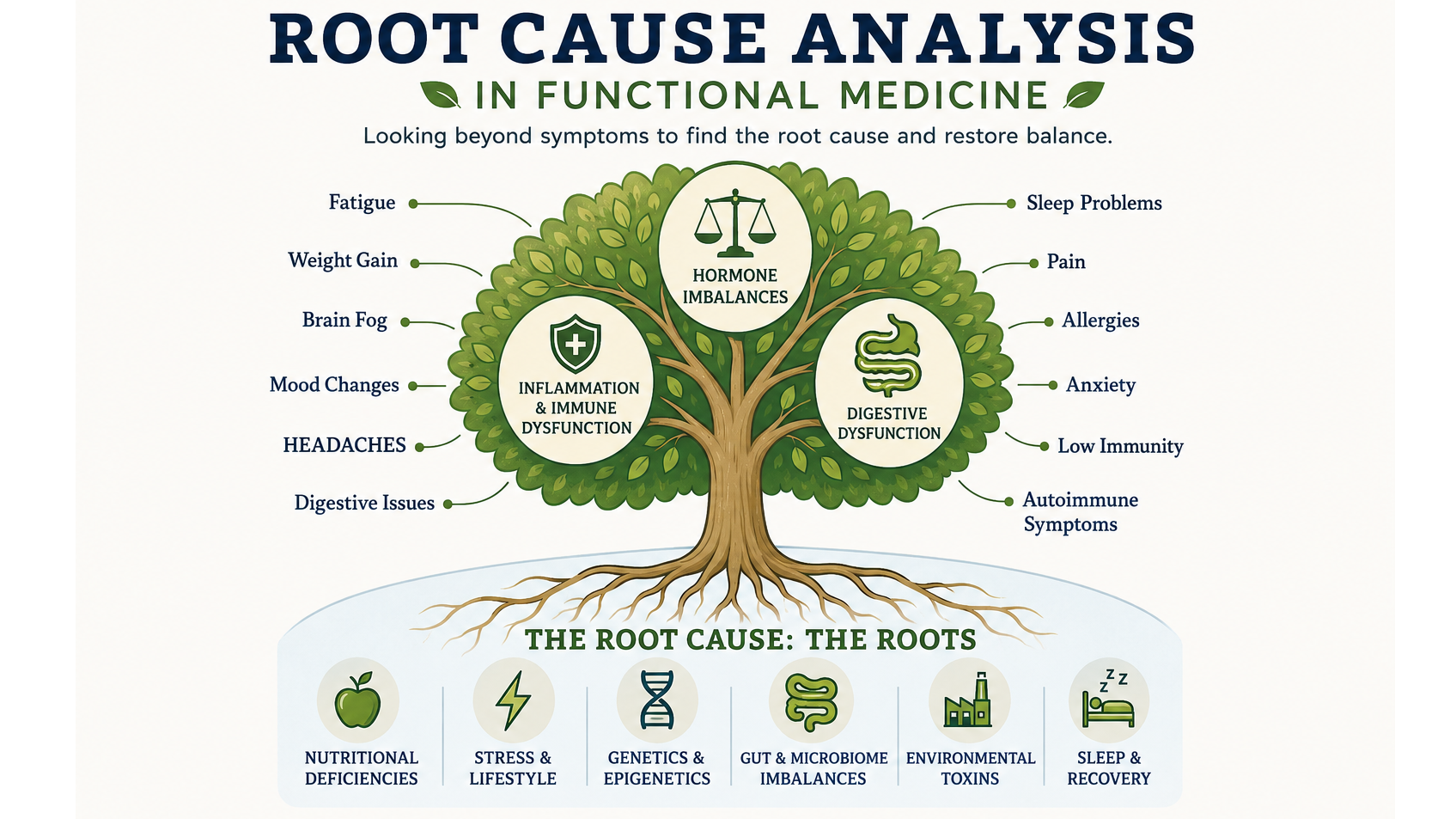
The core philosophy centers on identifying and addressing root causes of illness. These underlying factors often include chronic inflammation, gut microbiome imbalances, nutrient deficiencies, environmental toxins, and chronic stress. By targeting these fundamental issues, functional medicine aims to restore the body's natural ability to heal and maintain optimal function.
Practitioners spend significantly more time with patients during appointments, often 60-90 minutes for initial consultations compared to the typical 15-minute conventional medical visit. This extended time allows for thorough health histories and detailed examination of symptoms, lifestyle patterns, and potential triggers.
Why Traditional Medicine Falls Short for Chronic Disease
The Chronic Disease Crisis by the Numbers
The statistics surrounding chronic disease in America paint a sobering picture. Nearly 60% of adults in the US live with at least one chronic condition, and 4 in 10 have two or more. These diseases represent the leading causes of illness, death, and disability, accounting for 8 of the top 10 causes of death nationwide.
The economic impact proves equally staggering. Healthcare spending on people with chronic and mental health conditions accounts for approximately 90% of the nation's healthcare expenditures. An estimated 129 million people in the U.S. have at least one major chronic disease, highlighting the widespread need for more effective management approaches.
Traditional medicine's current framework struggles to address this growing crisis effectively. While chronic disease prevalence has increased among young adults in recent years, the overall burden remains substantial across all age groups.
Root Causes vs. Symptom Management
Conventional medicine excels at acute care and emergency situations but often falls short with chronic conditions. The traditional model typically focuses on symptom suppression through medications rather than investigating underlying causes. This approach can provide temporary relief but rarely addresses why the condition developed initially.
For example, a patient with high blood pressure might receive medication to lower numbers without examining factors like chronic stress, nutrient deficiencies, or inflammatory processes contributing to the condition. While the medication manages symptoms, the root causes remain unaddressed, often leading to progression or additional health issues.
Functional medicine practitioners dig deeper, asking questions like: What triggered this condition? What systems in the body aren't functioning optimally? How do genetics, environment, and lifestyle interact to create this health picture? This investigative approach often reveals treatable underlying factors that conventional medicine might overlook.
The Functional Medicine Process
1. Deep-Dive Patient History
The functional medicine process begins with an extensive health history that goes far beyond typical medical questionnaires. Practitioners examine childhood health patterns, family history, emotional traumas, stress levels, sleep quality, and environmental exposures. This detailed timeline often reveals important connections between past events and current symptoms.
Patients discuss not just what symptoms they experience, but when they started, what makes them better or worse, and how they impact daily life. This thorough examination frequently uncovers patterns that point toward specific underlying dysfunctions or imbalances.
2. Genetic, Environmental & Lifestyle Assessment
Functional medicine recognizes that genes load the gun, but environment and lifestyle pull the trigger. Practitioners assess genetic predispositions while focusing heavily on modifiable factors like diet, exercise, stress management, sleep patterns, and toxin exposure.
Environmental factors receive particular attention, including mold exposure, heavy metals, chemicals, and electromagnetic fields. Lifestyle assessment covers nutrition quality, movement patterns, social connections, and stress management techniques. This thorough evaluation reveals multiple intervention points for improving health outcomes.
3. Personalized Treatment Plans
Based on assessment findings, practitioners develop highly individualized treatment protocols. These plans typically emphasize lifestyle modifications, targeted nutrition, specific supplements, stress reduction techniques, and sometimes medications when appropriate.
Treatment plans often include detailed dietary recommendations, exercise protocols, sleep optimization strategies, and stress management tools. Follow-up appointments track progress and allow for plan adjustments based on patient response. This personalized approach ensures treatments align with each individual's unique needs and circumstances.
Proven Results from Real Studies
Cleveland Clinic Outcomes Data
The Cleveland Clinic's Center for Functional Medicine has produced compelling research demonstrating the effectiveness of this approach. Their studies found that patients receiving functional medicine care exhibited significantly larger improvements in PROMIS global physical health scores compared to those seen in traditional primary care settings at 6 months.
Approximately 31% of functional medicine patients showed clinically meaningful improvements in their physical health scores. These benefits proved sustainable over time, suggesting that addressing root causes creates lasting positive changes rather than temporary symptom relief.
Additional research from the Cleveland Clinic showed that shared medical appointments using the functional medicine model not only improved patient outcomes but also reduced costs. This finding addresses common concerns about the economic viability of spending more time with patients.
Veterans Affairs Success Story
A successful pilot program between the Institute for Functional Medicine and Veterans Affairs helped service members with type 2 diabetes manage their condition through health education, coaching, and lifestyle modifications. This program increased awareness of social determinants of health while achieving meaningful clinical improvements.
The program demonstrated that functional medicine approaches can be successfully implemented in traditional healthcare settings, providing hope for broader adoption across various healthcare systems.
Who Should Consider Functional Medicine
When Conventional Treatment Isn't Working
Many patients discover functional medicine after conventional approaches have failed to provide desired results. Common scenarios include persistent symptoms despite normal lab values, multiple diagnoses without clear connections, or side effects from medications that create additional problems.
Patients often feel unheard in traditional medical settings, where time constraints limit thorough examination of complex symptoms. Those seeking a more detailed understanding of their health and desire for personalized insights frequently find functional medicine appealing.
The approach particularly benefits individuals who want to understand their body as a whole system rather than a collection of separate parts. Patients motivated to take active roles in their healing process often thrive with functional medicine's collaborative approach.
Common Conditions That Respond Well
Functional medicine shows particular effectiveness for certain chronic conditions. Autoimmune diseases like rheumatoid arthritis, lupus, and multiple sclerosis often respond well to root-cause approaches that address immune system dysfunction and inflammatory triggers.
Thyroid disorders, including both hypo- and hyperthyroidism, frequently improve when practitioners address underlying factors like nutrient deficiencies, stress, and autoimmune processes. Digestive issues such as irritable bowel syndrome, inflammatory bowel disease, and chronic gut problems often resolve through detailed gut health protocols.
Other conditions that commonly benefit include chronic fatigue syndrome, fibromyalgia, metabolic conditions like diabetes and metabolic syndrome, and hormonal imbalances affecting fertility, menopause, or energy levels. Mental health conditions often improve when underlying physical imbalances are addressed alongside emotional and psychological factors.
Functional Medicine Is Emerging as a Transformative Approach in Healthcare
The growth of functional medicine reflects increasing recognition that healthcare needs fundamental changes to address chronic disease effectively. The U.S. complementary and alternative medicine market, which includes functional medicine, was valued at $28.65 billion in 2023 and is projected to reach approximately $229.12 billion by 2033, representing a 23.11% annual growth rate.
This expansion isn't just market speculation - it's driven by demonstrated results and growing practitioner adoption. Research published in JAMA demonstrates that patients receiving functional medicine model care show better and more sustainable outcomes compared to conventional care. These evidence-based results, combined with high patient satisfaction rates, position functional medicine as a viable solution for America's chronic disease crisis.
The success stories continue mounting as more healthcare organizations recognize these benefits. Functional medicine is evolving from alternative treatment to mainstream medical practice, offering hope for patients who haven't found relief through conventional approaches.
Poe Holistic Health and Wellness
City: Shrewsbury
Address: 129 Hartford Tpke #4e
Website: https://www.poeholistichealth.com/
Phone: +15083882853


Comments
Post a Comment