Found Roach Eggs in Your Houston Home? Here's What to Do Next
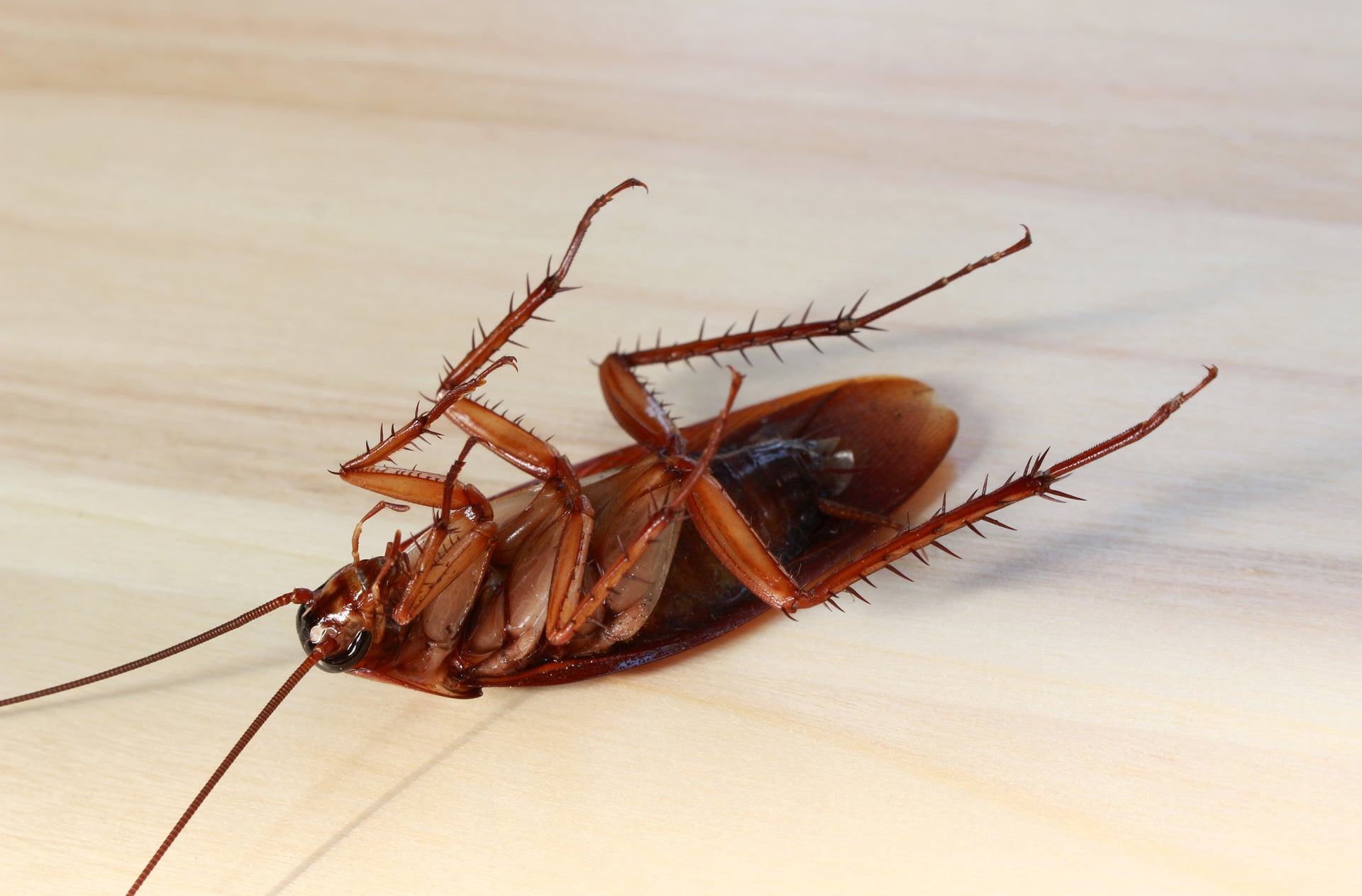
Discovering roach eggs in a Houston home is rarely a one-off event. The hard, capsule-shaped casings — known as oothecae — are usually the first concrete sign that cockroaches have moved past the occasional kitchen sighting and started reproducing somewhere out of view. The good news? Spotting them early gives homeowners a real shot at breaking the cycle before it becomes a full-blown infestation. The bad news? Most over-the-counter products won't touch the eggs themselves, and the hidden adults laying them keep the population growing.
ABC Home & Commercial Services has helped Houston families address pest issues since 1986, and the team has put together a full roach egg identification guide, walking through every species, hatching timeline, and treatment option. Here's a quick overview of what every Houston homeowner should know.
Why Roach Eggs Almost Always Mean an Infestation
Cockroaches don't lay individual eggs scattered across surfaces. Instead, females produce protective casings — oothecae — that house dozens of eggs at once. A single German cockroach ootheca contains 30 to 50 eggs. American cockroach oothecae are larger but hold fewer, roughly 14 to 16 per case.
The numbers compound quickly. One female German cockroach can produce 200 to 300 offspring across her lifetime, and German females tend to nest indoors year-round. By the time a homeowner finds a single egg case, multiple others are usually hidden in spots no one would think to check — inside cabinet hinges, behind appliances, along baseboards, or tucked into stacked cardboard boxes in the garage.
Houston's climate makes the problem worse. The warm, humid conditions that residents endure for most of the year are also the exact conditions German cockroaches need to thrive. Indoor populations don't slow down in winter the way they might in cooler regions.
How to Tell German and American Cockroach Eggs Apart
German cockroach oothecae are small — about 6 to 9 millimeters long — and tan to light brown. They're often spotted attached to a female roach, since German cockroaches carry the egg case until just before hatching. The hatching window is roughly four weeks from when the case is formed.
American cockroach oothecae are bigger, about 8 millimeters, and darken from brown to nearly black within a day or two of being deposited. American females typically glue the cases to surfaces near food and water sources. Hatching takes about six to eight weeks.
Why DIY Treatment Usually Falls Short
Plenty of homeowners reach for store-bought sprays and foggers when they spot roach eggs. The instinct makes sense — but the results rarely do. The ootheca's hard outer casing is built specifically to shield developing eggs from chemicals, dehydration, and predators. Even most professional-grade products struggle to penetrate it.
Foggers can actually make things worse. The chemical mist tends to scatter adult roaches deeper into wall voids, where they continue laying oothecae out of reach. The visible activity drops temporarily, then returns weeks later when the next generation hatches.
The strategy that actually works combines three things: eliminating adult roaches before they lay more cases, using insect growth regulators that disrupt the development of nymphs as they hatch, and physically locating and removing existing oothecae from harborage areas. That's not a one-and-done effort — it usually takes 30 to 90 days of treatment with scheduled follow-ups.
What Houston Homeowners Can Do Right Now
While professional treatment handles the breeding cycle, a few household habits make a real difference in slowing roach activity:
- Cut off water access. Roaches need water more urgently than food. Fix leaky pipes, dry out sinks at night, and don't leave pet water bowls out overnight.
- Eliminate food sources. Wipe down counters, sweep up crumbs, store dry goods in airtight containers, and don't leave dishes in the sink.
- Reduce hiding spots. Cardboard boxes, paper bags, and stacks of magazines are prime ootheca real estate. Switch to sealed plastic bins, especially in garages and storage areas.
- Seal entry points. American cockroaches often migrate indoors from outside. Check weatherstripping, dryer vents, and gaps around plumbing penetrations.
For Houston families dealing with active sightings or repeat egg case discoveries, professional pest control treatment is the fastest way to break the cycle. ABC's QualityPro-certified technicians inspect for harborage areas, identify the species driving the problem, and develop a custom plan that targets adults, oothecae, and the conditions that let more roaches in.
The Bottom Line
Finding a single roach egg case in a Houston home isn't a reason to panic — but it's absolutely a reason to act. The longer oothecae sit undisturbed, the more nymphs hatch, and the harder the infestation becomes to eliminate. Early identification, smart prevention habits, and professional treatment together stop the cycle before it gets out of hand.
ABC Home & Commercial Services serves Houston-area homeowners with comprehensive pest control, lawn, pool, and home services backed by 77 years of family-owned operation.
ABC Home & Commercial Services Houston
City: Cypress
Address: 11934 Barker Cypress Rd
Website: https://www.abchomeandcommercial.com/houston


Comments
Post a Comment