Foot Inflammation Home Remedy: Strategies To Reduce Swelling Fast
Key Takeaways
- Ice therapy works best for acute foot inflammation within the first 24-72 hours, while heat therapy targets chronic stiffness and improves circulation for long-term relief.
- Epsom salt foot soaks may help reduce inflammatory responses and draw excess fluid from swollen tissues in just 20-30 minutes, though individual results vary.
- Ionic foot baths combine warm water therapy with negative ion generation to support circulation.
- Simple elevation above heart level uses gravity to drain accumulated fluid, providing immediate relief when combined with other therapeutic approaches.
When foot pain and swelling disrupt daily activities, waiting for a doctor's appointment isn't always practical. Fortunately, several evidence-based home remedies can provide meaningful relief within hours, not days. These methods target the underlying causes of inflammation while offering immediate comfort for tired, aching feet.
Why Your Feet Swell and What Really Works for Quick Relief
Foot inflammation stems from multiple sources: prolonged standing, injury, poor circulation, or underlying conditions like plantar fasciitis. When tissues become inflamed, blood vessels dilate and leak fluid into surrounding areas, causing the telltale puffiness and discomfort. The key to fast relief lies in addressing both the inflammatory response and the fluid accumulation simultaneously.
Effective home treatment combines targeted therapies that constrict blood vessels, improve drainage, and support the body's natural healing processes. Research shows that simple interventions like temperature therapy, mineral-rich soaks, and elevation can reduce swelling within 15-30 minutes when applied correctly. Understanding which method to use when makes the difference between temporary comfort and lasting relief.
Modern therapeutic approaches like ionic foot baths add another dimension to traditional remedies.
Ice vs Heat Therapy: Timing Your Treatment Right
Temperature therapy remains one of the most effective immediate interventions for foot inflammation, but timing determines success. The physiological responses to cold and heat target different aspects of the inflammatory process, making proper application vital for optimal results.
1. When to Use Ice for Acute Swelling
Ice therapy works best during the first 24-72 hours after injury or when inflammation appears suddenly. Cold temperatures cause vasoconstriction, narrowing blood vessels and reducing blood flow to the affected area. This process limits the release of inflammatory proteins called cytokines while numbing nerve endings to alleviate pain immediately.
Apply wrapped ice packs for 15-20 minutes at a time, allowing at least 45-60 minutes between applications to allow tissue temperature to normalize. Crushed ice works better than cubes because it conforms to foot contours, providing more consistent coverage across the arch and ankle. Never apply ice directly to skin, as this can cause tissue damage or frostbite.
2. Heat for Chronic Stiffness and Muscle Relaxation
Heat therapy serves chronic inflammation and long-term stiffness better than acute injuries. Warm temperatures dilate blood vessels, increasing circulation and delivering oxygen-rich blood to damaged tissues. This improved blood flow helps clear metabolic waste products while relaxing tight muscles and reducing joint stiffness.
Use heat therapy at 100-104°F for 15-20 minutes once or twice daily. Avoid applying heat to areas that are actively swollen, red, or warm to the touch, as this can worsen acute inflammation. Heat works particularly well for arthritis-related foot pain and chronic plantar fasciitis.
3. Contrast Therapy for Better Circulation
Contrast therapy alternates between cold and warm water immersion, creating a pumping action that moves fluid through tissues more effectively than either temperature alone. This technique combines the anti-inflammatory benefits of cold with the circulation-boosting effects of heat.
Start with warm water (100-104°F) for 3-4 minutes, then switch to cold water (50-60°F) for 30-60 seconds. Repeat the cycle 3-4 times, ending with cold. The temperature differential creates rhythmic vessel constriction and dilation that helps flush inflammatory compounds from the feet.
Epsom Salt Soaks: The Science Behind Magnesium Relief
Epsom salt foot soaks offer more than just warm water therapy. The magnesium sulfate crystals may provide targeted relief through multiple mechanisms that address both the symptoms and underlying causes of foot inflammation, though individual results vary.
How Magnesium Sulfate May Reduce Inflammation
Magnesium sulfate may exhibit anti-inflammatory properties by modulating immune responses and reducing inflammatory cytokine production. When dissolved in warm water, these minerals may be absorbed through the skin, potentially increasing local magnesium levels. Research suggests that adequate magnesium concentrations help regulate nerve function, muscle contraction, and fluid balance within tissues, though more research is needed on the extent of transdermal magnesium absorption.
The osmotic effect of Epsom salt draws excess fluid out of swollen tissues, providing mechanical relief from pressure and puffiness. This dual action—potential biochemical anti-inflammatory effects plus physical fluid removal—may explain why many people notice immediate improvement after just one 20-30 minute soak.
Optimal Technique for Localized Benefits
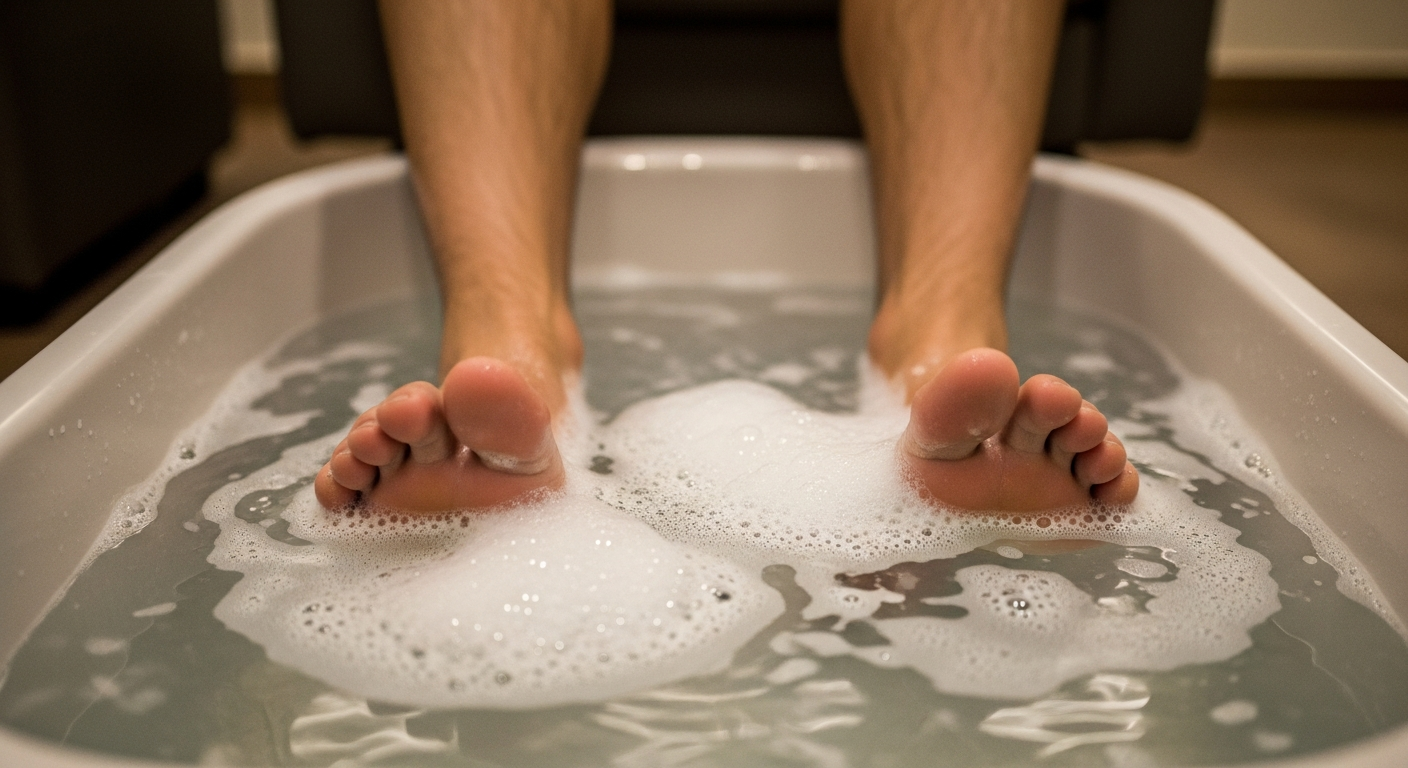
Dissolve one cup of Epsom salt per gallon of warm water, stirring until completely dissolved. Soak feet for 20-30 minutes, ensuring water covers the tops of feet and ankles where swelling typically accumulates. The mineral concentration should be high enough to create noticeable osmotic pressure without irritating sensitive skin.
Pat feet dry thoroughly after soaking and apply moisturizer immediately. Epsom salt can draw moisture from skin with repeated use, so proper hydration prevents cracking or irritation. Limit soaks to once daily during active inflammation, or 2-3 times weekly for maintenance.
Ionic Foot Baths: A Combined Approach To Full-Body Wellness
Ionic foot baths represent an evolution in home therapy, combining the established benefits of warm water soaking with electrical current technology. While research on detoxification claims remains limited, users consistently report reduced swelling and improved circulation after regular sessions.
Gentle Support for Natural Body Processes
Ionic foot baths generate negatively charged ions in salt water through a low-level electrical current. Proponents suggest these ions interact with positively charged inflammatory compounds and metabolic waste, potentially supporting the body's natural elimination processes through foot pores. While the liver and kidneys handle primary detoxification, some users report benefits for clearing inflammatory byproducts.
The warm water component alone provides therapeutic value by improving blood flow and relaxing tight muscles. When combined with ionic technology, many users notice effects compared to simple soaking, though individual responses vary significantly.
Increased Circulation, Better Relaxation
Regular ionic foot bath sessions may improve circulation in the lower extremities, potentially helping reduce chronic fluid accumulation. The 30-minute treatment duration allows sufficient time for vasodilation without overstimulating sensitive tissues.
Users typically notice reduced tightness and puffiness after 2-3 sessions, with more consistent results developing over several weeks of regular use. The relaxation benefits also contribute to stress reduction, which can indirectly support healing by lowering cortisol levels and reducing systemic inflammation.
Additional Fast-Acting Relief Methods
Several simple interventions complement thermal and bath therapies, providing immediate relief while supporting longer-term healing. These methods require no special equipment and can be implemented anywhere.
1. Elevation for Gravity-Assisted Drainage
Elevating feet above heart level harnesses gravity to help blood and interstitial fluid drain back toward the heart. This simple position change can reduce ankle and foot swelling within 15-30 minutes by improving venous return and lymphatic drainage.
Lie down and prop feet on pillows, ensuring they're higher than your chest. Maintain this position for 20-30 minutes while reading, watching television, or resting. The steeper the angle, the more effective the drainage, but comfort should guide positioning to ensure you can maintain it for the full duration.
2. Hydration's Role in Reducing Fluid Retention
Drinking more water often reduces foot swelling rather than increasing it. When dehydrated, the body retains fluid as a protective mechanism, contributing to edema in dependent areas like feet and ankles. Proper hydration signals the body to release stored fluid, reducing overall swelling.
Aim for at least 8 glasses (approximately 64 ounces) of water daily, increasing intake if you're physically active or in hot environments, keeping in mind that individual hydration needs can vary. Monitor urine color as a hydration indicator—pale yellow suggests adequate fluid intake, while dark yellow indicates the need for more water.
3. Compression for Immediate Support
Compression socks or wraps provide external pressure that helps prevent fluid accumulation during daily activities. The graduated compression promotes upward fluid movement, counteracting gravitational pooling that occurs during prolonged standing or sitting.
Apply compression in the morning before swelling develops for best results. Remove compression garments before bed to allow normal circulation during sleep. Choose moderate compression (15-20 mmHg) for daily wear, reserving higher levels for specific medical conditions under professional guidance.
Start Reducing Foot Swelling Tonight with These Evidence-Based Methods
Effective foot inflammation relief doesn't require expensive treatments or lengthy recovery periods. The most successful approach combines multiple modalities based on your specific symptoms and situation. Begin with elevation and ice for acute swelling, then incorporate warm Epsom salt soaks for ongoing maintenance.
For persistent inflammation, consider adding ionic foot bath sessions to support circulation and relaxation. The key lies in consistency rather than intensity—gentle, regular treatment produces better results than sporadic aggressive interventions. Monitor your response to different methods and adjust frequency based on symptom improvement.
Remember that severe or persistent swelling may indicate underlying conditions requiring professional evaluation. These home methods provide support for common foot inflammation, but they shouldn't replace medical care when symptoms worsen or fail to improve within several days of consistent treatment.
Healifeco
City: Sheridan
Address: 1309 Coffeen Avenue
Website: https://www.healifeco.com/


Comments
Post a Comment