Flexographic Printing Process: When to Replace Anilox Rollers and Press Rollers
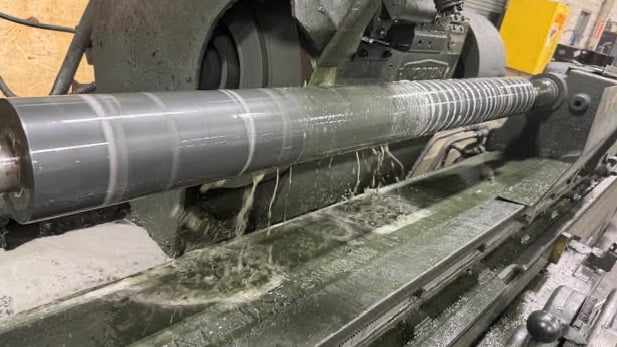
A flexographic press can be running perfectly on paper, yet still produce inconsistent results because of one overlooked part: the roller. In the flexographic printing process, small changes in anilox roller condition can create big differences in ink transfer, color density, image clarity, and repeatability. That makes roller replacement less of a maintenance afterthought and more of a production planning decision.
For printers, converters, and packaging teams, the question is not only whether an anilox roller is worn. The more useful question is: Is this roller still helping the press produce consistent, repeatable work?
Why Anilox Rollers Matter in the Flexographic Printing Process
The anilox roller is one of the most important printing rollers in flexographic printing. Its job is to carry a controlled amount of ink from the ink system to the printing plate. The roller’s engraved cells determine how much ink is transferred, which directly affects color strength, coverage, and print detail.
When an anilox roller is new or properly maintained, it supports predictable ink delivery. Over time, however, those engraved cells can become worn, clogged, damaged, or inconsistent. Even if the press itself is functioning, the print result may begin to drift.
This is why anilox rollers are often tied to common flexographic printing problems, including weak color, dirty print, pinholing, inconsistent solids, poor repeatability, and unexpected variation between jobs.
Signs an Anilox Roller May Need Replacement
One of the clearest signs of anilox roller wear is declining color consistency. If operators need to keep adjusting ink strength, pressure, or press settings to achieve the same result, the roller may no longer be transferring ink as intended.
Another warning sign is visible print variation across repeat jobs. A label, carton, or flexible packaging run that once printed cleanly may begin showing uneven coverage, faded areas, or inconsistent density. These issues can come from several sources, but the anilox roller should be part of the troubleshooting process.
Physical damage is another factor. Scratches, scoring, dents, corrosion, and surface wear can all interfere with ink transfer. In some cases, damage may be visible during inspection. In others, it may show up first as recurring print defects.
When Replacement Press Rollers Become a Better Option
Not every print issue means a roller should be replaced immediately. Cleaning, inspection, and measurement can often help determine whether an anilox roller can be restored or should be retired.
However, replacement press rollers become a practical option when roller condition begins affecting production reliability. If teams are spending more time correcting color, slowing the press, adjusting ink, or reworking jobs, the cost of keeping a worn roller in service may outweigh the cost of replacement.
Replacement is also worth considering when production requirements change. A pressroom handling more detailed graphics, tighter color standards, new substrates, or different ink systems may need anilox rollers with specifications better matched to current work.
This is especially relevant for operators using Mark Andy presses or other flexographic systems where roller specification plays a role in repeatable output. Mark Andy press rollers and other replacement press rollers should be selected around the actual job requirements, not only the equipment model.
How to Plan Anilox Roller Replacement
A practical replacement plan starts with documentation. Pressrooms should track roller age, usage, cleaning history, inspection results, and the types of jobs each roller supports. This helps teams identify patterns before problems become urgent.
Regular audits can also help. Measuring cell volume, checking surface condition, and reviewing print performance can give operators a clearer view of whether anilox rollers are still performing as expected.
It is also useful to separate emergency replacement from planned replacement. Emergency replacement happens after print quality has already suffered. Planned replacement happens before worn printing rollers begin disrupting schedules, customer expectations, or repeat job consistency.
According to the experts at Aalberts Surface Technologies, a manufacturer of laser engraved anilox rolls and engineered surface coatings, anilox roller performance should be evaluated as part of the wider flexographic printing process, not as an isolated maintenance issue. Roller specification, surface condition, engraving quality, and replacement timing can all influence ink transfer, color consistency, and whether a pressroom can reproduce the same result across repeat jobs.
The Bigger Picture: Better Control Over Print Quality
In the flexographic printing process, anilox roller replacement is ultimately about control. A properly specified roller helps press teams manage ink transfer, color consistency, and repeatability with fewer surprises.
For busy production environments, that control matters. Packaging and label jobs often depend on matching previous runs, meeting brand standards, and keeping schedules moving. When anilox rollers or press rollers begin to compromise those goals, replacement becomes part of protecting the entire production process.
The best time to replace an anilox roller is not always when it fails completely. Often, it is when the roller stops giving the pressroom predictable, repeatable results.
Aalberts surface technologies
City: Milwaukee
Address: 8399 N 87th St
Website: https://www.aalberts-polymer.us/anilox
Phone: +1-414-357-0260
Email: fred.paonessa@aalberts-st.us


Comments
Post a Comment