EB Babies' Life Expectancy Explained: Disease Types & Care Planning For Families
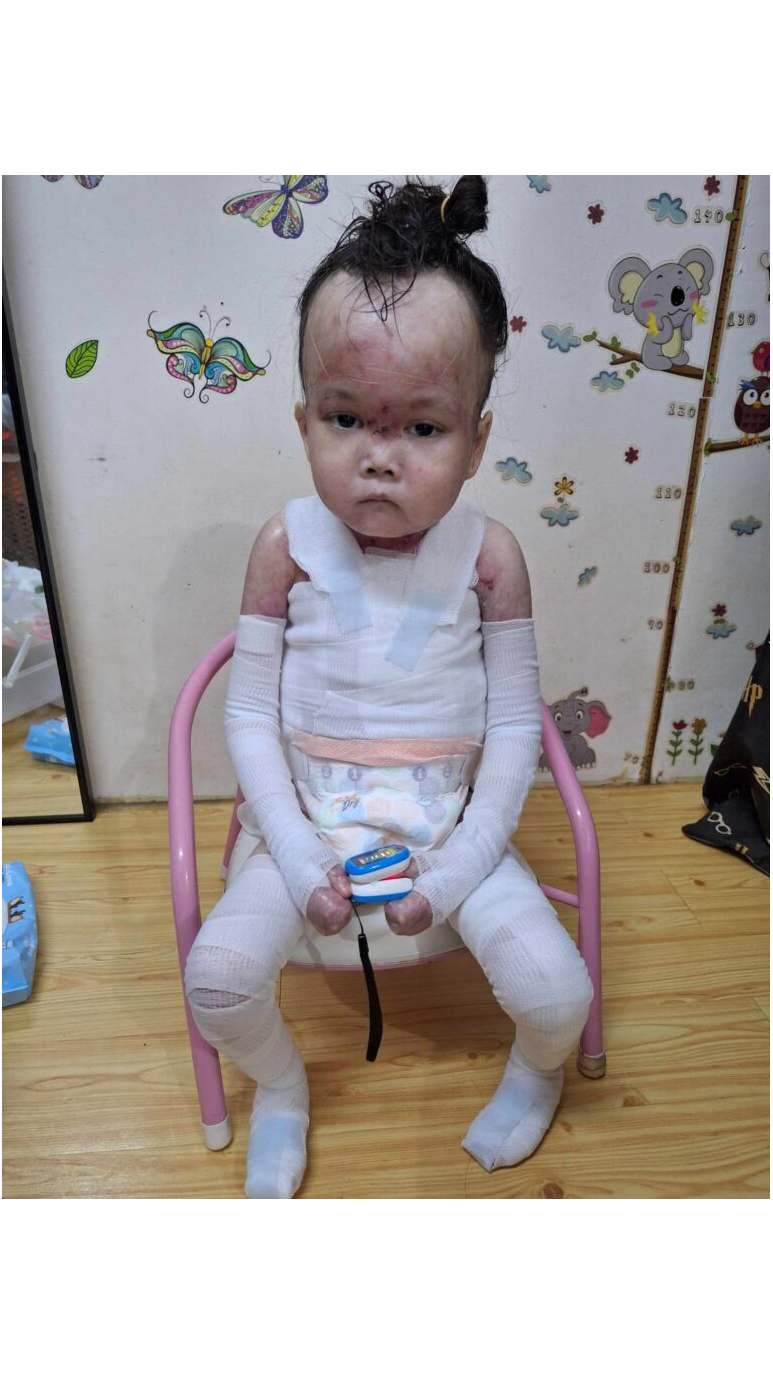
Key Takeaways
- Life expectancy for babies with EB varies dramatically by type, from normal lifespans with milder forms to significant risks in the first year with severe variants like junctional EB.
- Genetic mutations cause skin proteins to malfunction, making even gentle touch potentially harmful to your baby's fragile skin layers.
- Emergency warning signs require immediate medical attention, including breathing difficulties, swallowing problems, and signs of infection like fever or spreading redness.
- Knowing your baby's specific EB subtype is vital for creating the right care plan and understanding what to expect long-term.
When parents first hear their baby has epidermolysis bullosa, the immediate question becomes: What does this mean for our child's future? The answer depends entirely on which type of EB affects your little one, as this rare genetic condition includes several distinct forms with vastly different outlooks.
Life Expectancy Depends on Your Baby's EB Type
The prognosis for babies with epidermolysis bullosa ranges from encouraging to challenging, entirely based on the specific genetic mutation they inherited. Some children with milder forms live completely normal lives and even see their symptoms improve with age. Others face more serious complications that require intensive, lifelong management.
Understanding these differences helps families prepare for the journey ahead. The four main types - epidermolysis bullosa simplex (EBS), dystrophic EB (DEB), junctional EB (JEB), and Kindler syndrome - each affect different skin layers and carry unique risks. Organizations like No Baby Blisters work to save babies with genetic blistering skin diseases, including EB, from pain and death.
Medical specialists typically perform genetic testing and skin biopsies to determine the exact EB variant, allowing healthcare teams to create targeted treatment plans. This precise diagnosis becomes the foundation for everything from daily care routines to long-term health monitoring strategies.
What Causes EB in Newborns
Genetic Mutations Behind the Disease
Epidermolysis bullosa stems from inherited genetic mutations that disrupt the production of vital skin proteins. These mutations can be passed down from one or both parents, or occasionally occur spontaneously during fetal development. The inheritance patterns vary - some forms require mutations from both parents (recessive), while others need only one affected parent (dominant).
Genetic counseling becomes invaluable for families with an EB history, helping them understand the likelihood of future children being affected. The specific gene involved determines which type of EB develops, explaining why symptoms and severity can differ so dramatically between affected children.
Why Skin Becomes So Fragile
The genetic mutations in EB prevent the body from producing adequate amounts of proteins like keratin, collagen VII, or laminin. These proteins normally act as molecular "glue" that binds the skin's layers together securely. Without sufficient amounts of these proteins, even minor friction or pressure causes the skin layers to separate and form painful blisters.
This fragility affects not just the outer skin but can also impact internal surfaces like the mouth, throat, and digestive tract. The location and severity of blistering depend on which specific protein is affected and how severely the mutation impacts its function.
Epidermolysis Bullosa Simplex (EBS) Outlook
Generally Good Prognosis
Epidermolysis bullosa simplex represents about 70 percent of all EB cases and typically offers the most encouraging outlook. Children with EBS usually experience blistering primarily on their hands and feet, areas that endure the most friction during daily activities. The positive aspect of EBS is that blisters generally heal without leaving permanent scars.
Many families find that EBS symptoms actually improve as their child grows older. The skin often becomes less fragile over time. Most children with EBS can expect a normal life expectancy.
Rare Severe Variants
While most EBS cases remain mild, certain severe variants pose serious risks during infancy. These rare forms can cause widespread blistering and may lead to life-threatening complications in the first year of life. Some severe EBS variants are also associated with the development of muscular dystrophy as children mature.
Early identification of these severe variants allows medical teams to implement intensive monitoring and intervention strategies. Families dealing with severe EBS variants require specialized care coordination and often benefit from treatment at medical centers with extensive EB experience.
Dystrophic EB (DEB) Long-Term Risks
Normal Life Expectancy for Dominant DEB vs. Reduced for Severe Recessive DEB
Dystrophic epidermolysis bullosa accounts for approximately 25 percent of EB cases and presents a more complex picture. The dominant form of DEB (inherited from one parent) typically allows for normal life expectancy, though ongoing management remains necessary throughout life. Children with dominant DEB often experience manageable symptoms that don't significantly impact their overall health.
Recessive DEB (requiring mutations from both parents) tends to be more severe, with extensive blistering that continues into adulthood. While many children with recessive DEB can live into adulthood, they face increased risks of serious complications, including chronic kidney problems and aggressive skin cancers that can be life-threatening.
Scarring and Cancer Risks
Unlike EBS, DEB blisters heal with scarring that can cause significant functional problems over time. Repeated scarring can lead to fusion of fingers and toes, joint contractures that limit movement, and severe restrictions in hand and limb function. The scarring process is cumulative, meaning problems often worsen as children age.
Perhaps most concerning, people with DEB face dramatically increased risks of developing aggressive squamous cell carcinoma (SCC). This skin cancer tends to be particularly aggressive in EB patients. Regular dermatological surveillance becomes necessary starting in adolescence.
Junctional EB (JEB) Critical Prognosis
High Risk of Death in First Year
Junctional epidermolysis bullosa represents the most severe form of EB, affecting about 5 percent of cases. The prognosis for JEB remains poor, with approximately half of affected infants not surviving past their first birthday. Many children with JEB who survive infancy still face significant mortality risks before age five, and few live into adulthood.
The severe nature of JEB stems from extensive blistering that affects not just the skin but also internal organs and body systems. This widespread involvement creates multiple simultaneous health challenges that can overwhelm an infant's developing systems despite intensive medical intervention.
Feeding and Breathing Complications
Babies with JEB frequently develop blistering in their mouth, throat, and digestive tract, making feeding extremely difficult or impossible. Many require feeding tubes or specialized nutritional support to prevent malnutrition and failure to thrive. The internal blistering can also affect the airway, creating breathing difficulties that may require mechanical ventilation support.
These feeding and respiratory challenges often become the primary factors limiting survival in JEB infants. The combination of poor nutrition, frequent infections, and breathing complications creates a cycle of health deterioration that proves difficult to interrupt even with aggressive medical management.
Emergency Warning Signs Requiring Immediate Care
1. Infection Symptoms to Watch For
Parents must remain vigilant for signs of infection, which represents one of the most serious complications in EB babies. Fever, spreading redness around blisters, warmth or swelling in affected areas, and any pus or unusual discharge require immediate medical evaluation. Infections can progress rapidly to life-threatening sepsis in children with compromised skin barriers.
Changes in your baby's behavior, such as increased fussiness, poor feeding, or unusual lethargy, may also signal developing infections. Never hesitate to contact medical professionals when infection symptoms appear - early intervention significantly improves outcomes and can prevent serious complications.
2. Swallowing and Breathing Problems
Difficulty swallowing, choking during feeds, or any changes in breathing patterns demand immediate emergency care. These symptoms may indicate blistering in the throat, mouth, or airway - areas where swelling can quickly become life-threatening. Watch for signs like increased drooling, refusal to eat, or unusual breathing sounds.
Parents should also be alert to color changes around the mouth or fingertips, which might indicate oxygen deprivation. Respiratory distress in EB babies requires emergency intervention and should never be managed at home.
3. Signs of Severe or Infected Blisters
Large blisters that continue expanding, blisters with thick or colored drainage, and areas of skin that appear black or dead require urgent medical attention. These signs may indicate severe tissue damage or serious infection that could lead to scarring or systemic complications.
Additionally, any blisters that fail to heal within expected timeframes or seem to be spreading despite appropriate care should be evaluated promptly. Early intervention can often prevent minor problems from becoming major complications.
Daily Care Practices
Gentle Handling Techniques
Caring for a baby with EB requires mastering ultra-gentle handling techniques that minimize skin trauma. Avoid all adhesive tapes, use lifting motions instead of dragging or sliding, and dress babies in soft clothing worn inside-out to eliminate seam friction. When changing diapers, support the baby's entire body and avoid any pulling or tugging motions.
Gentle cuddling and affection remain important for emotional connection and healthy development, though careful physical contact is necessary to minimize blister risks.
Nutritional Support Strategies
Maintaining adequate nutrition becomes vital, especially when internal blistering affects feeding. Work closely with pediatric nutritionists to develop feeding strategies that minimize mouth trauma while ensuring proper growth and development. This might include modified textures, special bottles or utensils, or supplemental nutrition when oral feeding becomes insufficient.
Monitor growth patterns carefully, as poor nutrition can significantly impact healing and overall health outcomes. Many EB specialists recommend high-calorie, nutrient-dense foods to support the increased energy demands of constant healing and tissue repair.
Know Your Baby's Specific EB Type for Better Care Planning
Accurate diagnosis of your baby's specific EB variant forms the foundation for all future care decisions. Genetic testing and specialized skin biopsies help medical teams identify the exact protein deficiency and inheritance pattern affecting your child. This information guides everything from daily care routines to long-term health monitoring and family planning decisions.
Understanding your baby's specific diagnosis also helps connect with appropriate support networks and resources. Different EB types require different expertise, equipment, and care strategies. Families often find that connecting with others managing the same EB variant provides invaluable practical advice and emotional support for the journey ahead.
Working with EB specialists ensures access to the latest treatment developments and clinical trials that might benefit your child's specific condition. The EB community continues advancing care options, making expert guidance necessary for accessing the best possible outcomes.
No Baby Blisters
City: Colorado Springs
Address: 731 Chapel Hills Drive
Website: https://nobabyblisters.org/


Comments
Post a Comment