Early Signs Of Epidermolysis Bullosa: Visible & Internal Symptoms Explained
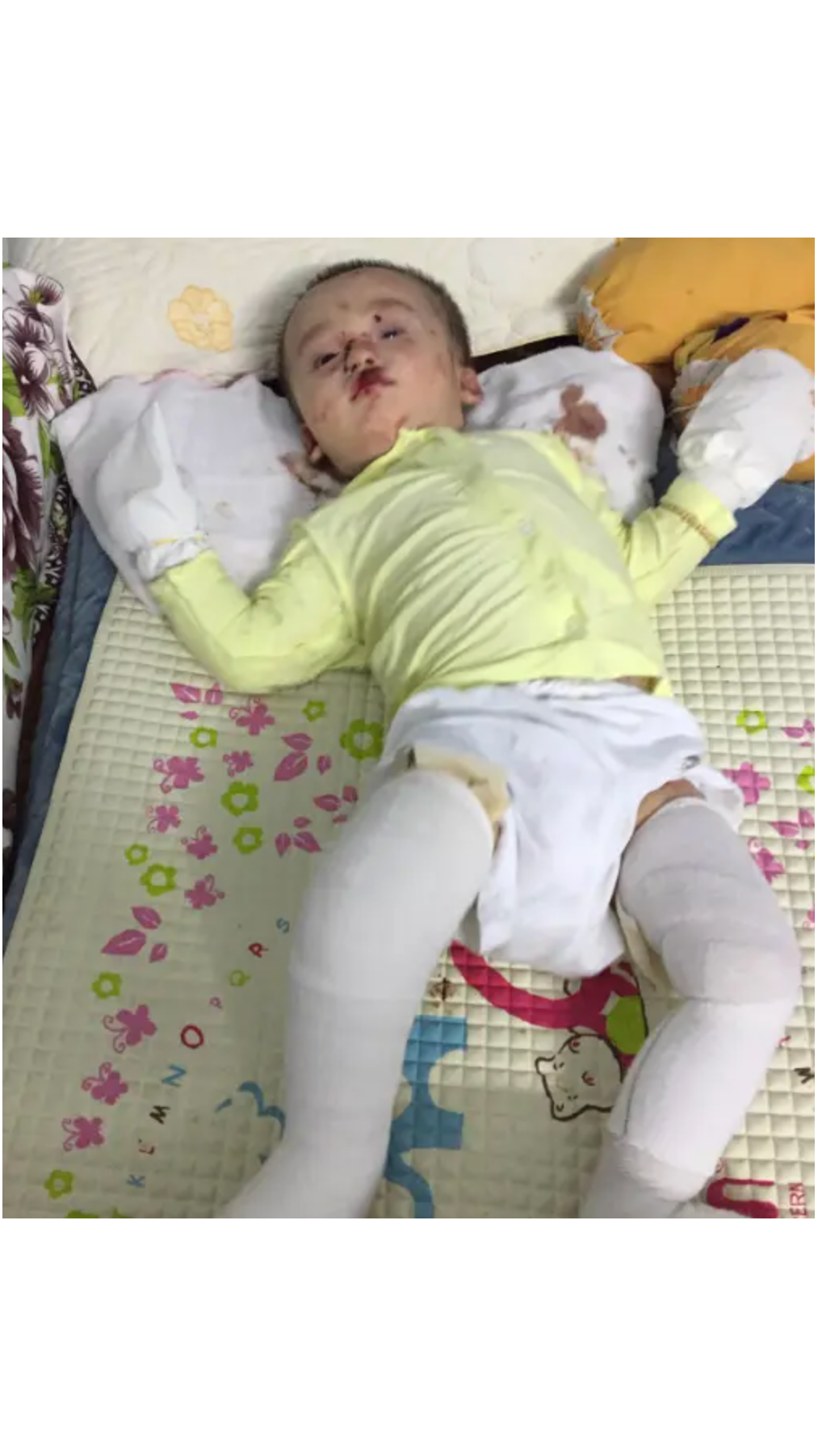
Key Takeaways
- Epidermolysis bullosa (EB) causes skin so fragile that it's nicknamed "butterfly skin" due to blistering from the slightest touch or friction
- Four main types of EB vary dramatically in severity, from mild blistering to life-threatening complications affecting internal organs
- Early signs include unexplained blistering on hands and feet, mouth sores, and small white bumps (milia) that appear shortly after birth
- Daily wound care, specialized nutrition, and pain management become vital parts of managing this rare genetic condition
- Professional diagnosis through genetic testing is crucial since different EB types require vastly different treatment approaches
When a newborn's skin blisters at the gentlest touch, parents face one of the most challenging rare conditions in medicine. Epidermolysis bullosa transforms everyday activities like diaper changes and feeding into delicate procedures requiring extreme care. Understanding the signs and severity of this "butterfly skin" condition can help families navigate the complex journey ahead.
Skin That Blisters at the Slightest Touch
Epidermolysis bullosa earns its "butterfly skin" nickname because affected skin is as delicate and fragile as a butterfly's wings. The condition stems from genetic mutations that weaken the proteins holding skin layers together. Even minor friction from clothing, gentle handling, or normal movement can cause painful blisters and open wounds.
The skin's extreme fragility becomes apparent within hours or days of birth. Simple actions like removing a diaper, adjusting clothing, or even the pressure from lying in one position can create new blisters. These wounds often appear as fluid-filled bubbles that easily burst, leaving raw, bleeding areas prone to infection. Organizations like No Baby Blisters provide crucial resources to help families understand and manage these early warning signs.
Unlike typical childhood injuries that heal quickly, EB blisters can take weeks to heal and often leave permanent scars. The constant cycle of new wounds appearing while others slowly heal creates an ongoing challenge for both the child and caregivers. The pain from these wounds is often severe, requiring specialized pain management strategies from birth.
The Four Types of EB and Their Different Severity Levels
Medical professionals classify EB into four distinct types based on which skin layer is affected by the genetic mutations. Each type presents different challenges and long-term outlooks, making accurate diagnosis vital for proper treatment planning.
1. Epidermolysis Bullosa Simplex (EBS)
EBS affects the top layer of skin and represents the mildest form of the condition. Blisters typically form on hands, feet, and areas subject to friction. Most children with EBS can expect a relatively normal lifespan, though they may experience periodic flare-ups during hot weather or increased physical activity. The blisters usually heal without scarring, and symptoms often improve with age as the skin becomes less fragile.
2. Junctional EB (JEB)
JEB occurs between the epidermis and dermis layers, creating more severe symptoms than EBS. The most serious form, called Herlitz JEB, often proves life-threatening in infancy due to widespread blistering and complications affecting breathing, feeding, and infection control. Non-Herlitz JEB tends to be less severe but still requires intensive medical management throughout life.
3. Dystrophic EB (DEB)
DEB affects the deeper dermis layer and often results in significant scarring as wounds heal. The scarring can cause fingers and toes to fuse together, create joint contractures, and restrict movement. Recessive dystrophic EB represents one of the most challenging forms, with patients facing increased risk of skin cancer and potential complications affecting the esophagus and digestive system.
4. Kindler Syndrome
Kindler syndrome affects multiple skin layers and presents unique challenges including photosensitivity and progressive skin atrophy. While less common than other EB types, it requires specialized sun protection and careful monitoring for skin changes that could indicate cancer development.
External Signs Parents Notice First
Skin Blistering Patterns
The location and pattern of blisters provide important clues about EB type and severity. Parents typically first notice blisters on areas of friction: hands, feet, knees, and elbows. In newborns, blisters may appear where hospital identification bands were placed or where monitoring equipment touched the skin. The chest, back, and diaper area are also common sites for initial blistering.
Severe forms of EB can cause blisters to appear spontaneously without any apparent trauma. These blisters may be large and filled with clear or bloody fluid. The surrounding skin often appears red and inflamed, and new blisters can form adjacent to healing wounds.
Nail and Hair Changes
EB frequently affects nail growth and appearance. Fingernails and toenails may appear thickened, ridged, or completely absent. Some children develop dystrophic nails that grow in unusual shapes or fall off repeatedly. The nail bed underneath may be permanently damaged, preventing normal nail regrowth.
Hair loss (alopecia) commonly occurs when blisters form on the scalp. The resulting scars can create permanent bald patches. Some children experience overall thinning of hair, while others may have normal hair growth in unaffected areas.
Small White Bumps (Milia)
Milia appear as tiny white or yellowish bumps, particularly around healing wounds. These small cysts form when dead skin cells become trapped beneath the surface during the healing process. While harmless, milia can be numerous and persistent in EB patients, creating a distinctive appearance that helps doctors recognize the condition.
Internal Symptoms That Affect Daily Life
Mouth and Throat Complications
EB doesn't limit itself to external skin—the mucous membranes inside the body are equally fragile. Blisters in the mouth make eating, drinking, and speaking painful. Infants may refuse to breastfeed or bottle-feed due to oral pain, leading to significant feeding challenges and potential malnutrition.
The esophagus can develop blisters and subsequent scarring that narrows the food passage. This complication, called esophageal stricture, makes swallowing increasingly difficult over time. Many patients require feeding tubes to ensure adequate nutrition as oral intake becomes impossible.
Digestive System Issues
Chronic constipation affects most EB patients due to anal tears and the pain associated with bowel movements. Children often avoid bowel movements due to pain, making constipation worse and creating a cycle of discomfort and avoidance. The digestive tract can also develop blisters throughout its length, affecting nutrient absorption and causing chronic diarrhea or malabsorption.
Malnutrition becomes a serious concern as eating becomes painful and nutrient absorption decreases. Children with severe EB often fail to grow at normal rates and may require specialized nutritional support, including high-calorie formulas and vitamin supplements.
Breathing and Voice Changes
Blistering in the throat and voice box can cause hoarseness or complete voice changes. The cry of an EB infant often sounds different—weaker or more raspy than typical newborn crying. In severe cases, throat swelling from blisters can compromise breathing, requiring immediate medical attention.
Chronic throat and airway involvement can lead to recurrent respiratory infections and difficulty clearing secretions. Some patients develop a distinctive cough or breathing pattern as they adapt to ongoing airway sensitivity.
When Symptoms Appear and How They Progress
Birth to Early Childhood Onset
Most EB cases become apparent within the first few days of life. Hospital staff may notice that routine procedures like blood draws or tape removal cause excessive skin damage. The baby's skin may appear unusually fragile, tearing with normal handling or diaper changes.
Dental problems including tooth decay from poorly formed tooth enamel occur more frequently in EB babies. The presence of dental issues combined with unexplained blistering should raise suspicion for EB and prompt immediate evaluation.
As children begin crawling and walking, new friction areas develop blisters. The increased activity often worsens symptoms temporarily, but many families notice improvement as children learn to modify their movements to minimize trauma.
Later-Developing Forms
Some milder forms of EB don't become apparent until childhood or even adulthood. These cases often present as recurrent blistering in response to specific triggers like heat, excessive activity, or minor injuries that heal unusually slowly. Adults may have lived with mild symptoms for years before receiving an accurate diagnosis.
Late-onset EB can be particularly challenging to diagnose because symptoms may be attributed to other skin conditions or repeated "accidents." Family history becomes crucial in identifying these cases, as parents or siblings may have experienced similar unexplained blistering.
The Daily Reality of Living with EB
Physical Pain and Wound Care Requirements
Pain management represents one of the greatest daily challenges for EB families. The condition causes both acute pain from new blisters and chronic pain from ongoing wounds. Children often require round-the-clock pain medication, including powerful drugs typically reserved for cancer patients or severe injuries.
Daily wound care can take several hours and requires specialized supplies that aren't available in regular pharmacies. Families learn to drain blisters with sterile needles, clean wounds with gentle solutions, and apply non-adhesive dressings that won't cause further trauma. The process is painful for the child and emotionally draining for caregivers.
Many EB patients experience significant mental health challenges and quality of life impacts. The constant pain and limitations significantly impact mental health for both patients and families.
Nutritional Challenges
Maintaining adequate nutrition becomes a daily struggle when eating is painful. Many children require high-calorie formulas, nutritional supplements, or feeding tubes to meet their growth needs. The increased energy demands from constant wound healing further complicate nutritional requirements.
Chronic anemia develops frequently due to iron deficiency from ongoing blood loss and poor absorption. Some patients require regular blood transfusions or iron infusions to maintain healthy blood levels. The combination of poor intake and increased needs creates a challenging nutritional puzzle for medical teams to solve.
Mental Health and Quality of Life Impact
The visible nature of EB creates social challenges that extend far beyond physical symptoms. Children may experience stares, comments, or social isolation due to their appearance. School attendance becomes difficult when frequent medical appointments and wound care interfere with regular schedules.
Families report feeling overwhelmed by the time-consuming nature of daily care. Simple activities like bathing become elaborate procedures requiring special products and techniques. The constant vigilance needed to prevent new injuries creates stress for entire families.
Despite these challenges, many EB patients develop remarkable resilience and find ways to adapt their lives around their condition. Support from specialized medical teams and patient organizations helps families navigate the complex emotional and practical challenges.
Get Professional Diagnosis Before EB Symptoms Worsen
Early and accurate diagnosis is crucial for EB management because different types require vastly different treatment approaches. Genetic testing can identify the specific mutations responsible for the condition and help predict long-term outcomes. Skin biopsies with immunofluorescence mapping provide additional diagnostic information about which skin layers are affected.
The rarity of EB means many healthcare providers have limited experience with the condition. Families should seek evaluation at specialized centers where multidisciplinary teams can provide care. These centers typically include dermatology, genetics, nutrition, pain management, and other specialists familiar with EB's complex needs.
No Baby Blisters
City: Colorado Springs
Address: 731 Chapel Hills Drive
Website: https://nobabyblisters.org/


Comments
Post a Comment