Dog Training NJ: How to Spot a Real Pro From a Pretender
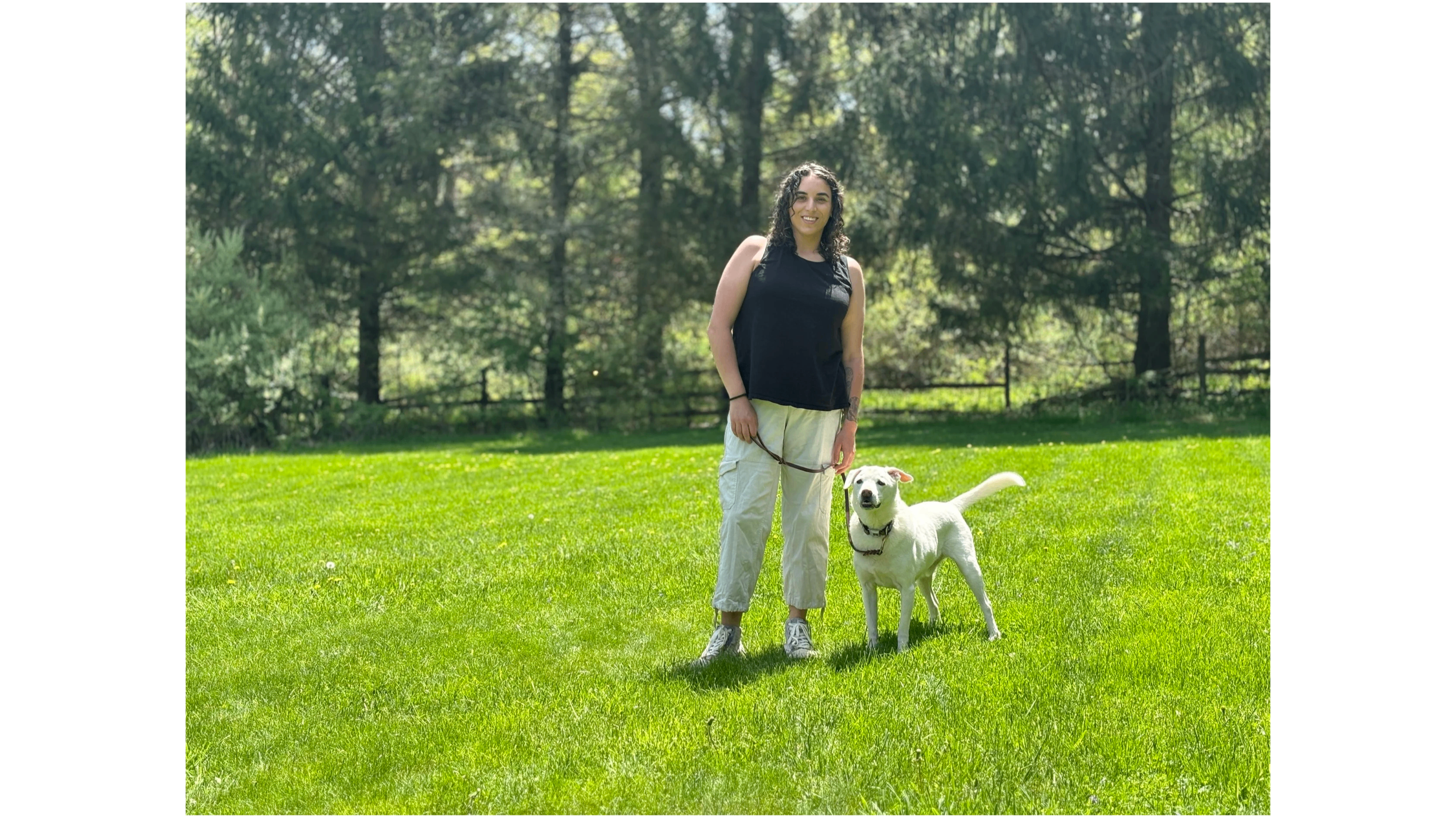
Hiring a dog trainer in New Jersey looks simple on the surface. Search the area, scan a few websites, and pick someone with good reviews. The reality is more complicated. Dog training is an unregulated industry in NJ. There's no state license, no required education standard, and no governing body filtering out unqualified practitioners. That puts the work of vetting a trainer squarely on the dog owner.
This is the framework Rose Dog Training, a Long Valley-based in-home training company led by CPDT-KA Certified Professional Dog Trainer Rylee Rose, recommends for every NJ family considering professional help.
Step 1: Credentials Are the First Filter
The CPDT-KA — Certified Professional Dog Trainer, Knowledge Assessed — is the credential most respected in the industry. The Certification Council for Professional Dog Trainers requires CPDT-KA candidates to document at least three hundred hours of professional training experience and pass a comprehensive exam covering learning theory and behavior science. It's a real bar. Many trainers practice without it. The ones who hold it have been tested.
For households dealing with complex dynamics or behavior tied to family stress, the Family Dog Mediator (FDM) credential adds depth. For aggression and serious reactivity cases, advanced coursework — like Michael Shikashio's Aggression in Dogs Master Course — signals specialist-level training that goes well beyond basic obedience instruction.
Step 2: Training Method Is Not a Style Preference
Trainers describe their approach in different ways. "Balanced." "Positive but firm." "Old school." These phrases hide what's actually happening in sessions. The right question to ask is direct: what tools are used, how is non-compliance handled, and what does a session look like for a fearful or anxious dog.
Force-free, science-based training — built on positive reinforcement and reward-based methods — produces faster learning, lower stress, and more durable behavioral change than aversive-based approaches. For reactive or anxious dogs, this difference is not academic. Suppression of behavior through punishment doesn't resolve the underlying emotion. It hides it. This is exactly why behavioral dog training in NJ for reactive and aggressive cases requires methodology rooted in modern behavior science.
LIMA — Least Intrusive, Minimally Aversive — is the professional ethical standard reflecting this approach. Trainers practicing under LIMA exhaust reinforcement and management strategies before considering anything that causes discomfort.
Step 3: Format Should Match the Dog
Three formats dominate the market. They are not interchangeable.
In-home private dog training brings the trainer into the dog's actual environment. The dog learns in the place where the behavior is expected. The owner learns alongside the dog, which matters because the trainer eventually leaves, and the owner is the one holding the leash.
Group classes work well for confident, social dogs building basic skills. They typically don't suit reactive or fearful dogs, as proximity to other dogs may push them past the threshold and worsen the behavior being addressed.
Board-and-train programs send the dog to live with the trainer. Results depend heavily on how thoroughly the trainer transfers behaviors to the owner. Most household behavior issues — reactivity, aggression, anxiety, daily manners — generalize better when the dog learns at home rather than in a foreign environment.
Step 4: Red Flags Worth Walking Away From
Some warning signs are subtle. Others are not.
A trainer who claims certification but can't name the issuing organization has likely completed an unverified online program. A trainer who promises a "fixed" dog with minimal owner involvement is selling something that rarely produces durable results. A trainer who frames behavior in terms of dominance or "alpha" theory is working from a framework that's been thoroughly debunked by behavioral science. A trainer who defaults to prong collars, choke chains, or e-collars rather than treating them as last resorts is operating outside science-based practice. A trainer who becomes defensive when asked about methods has revealed more in that response than in any sales pitch.
Step 5: Ask Specific Questions Before Booking
Phone consultations are revealing. Trainers worth hiring welcome scrutiny. The questions that matter: What certifications are held, and who issued them? How are dogs handled when they show fear during sessions? What tools are used and when? How is owner involvement structured? What happens after the program ends?
Vague answers are answers. Specific, confident responses signal a trainer who has thought carefully about practice and can articulate it.
The In-Home Advantage in New Jersey
For most NJ families, the trainer's environment is not the dog's environment. The dog that reacts at the front door, lunges on the neighborhood walk, or struggles around guests in the living room needs training in those exact contexts. A facility-based program can teach skills, but the transfer to real life is rarely automatic — and that transfer is where most owners feel the limits of group classes and board-and-train alike.
Rose Dog Training operates as an in-home only practice for this reason. Service coverage extends throughout Morris County and Somerset County, New Jersey.
Where to Start
The complete guide to finding a good dog trainer in New Jersey covers credential verification, methodology questions, and red flags in greater depth. It's the resource Rose Dog Training built specifically for NJ families before they make a hiring decision.
Content strategy by national digital marketing agency ASTOUNDZ.
Rose Dog Training LLC
City: Washington
Address: 2 West Washington Avenue #204
Website: https://www.rosedogtraining.com/


Comments
Post a Comment