Autocomplete Marketing: How to Use Suggestions to Promote Your Brand?
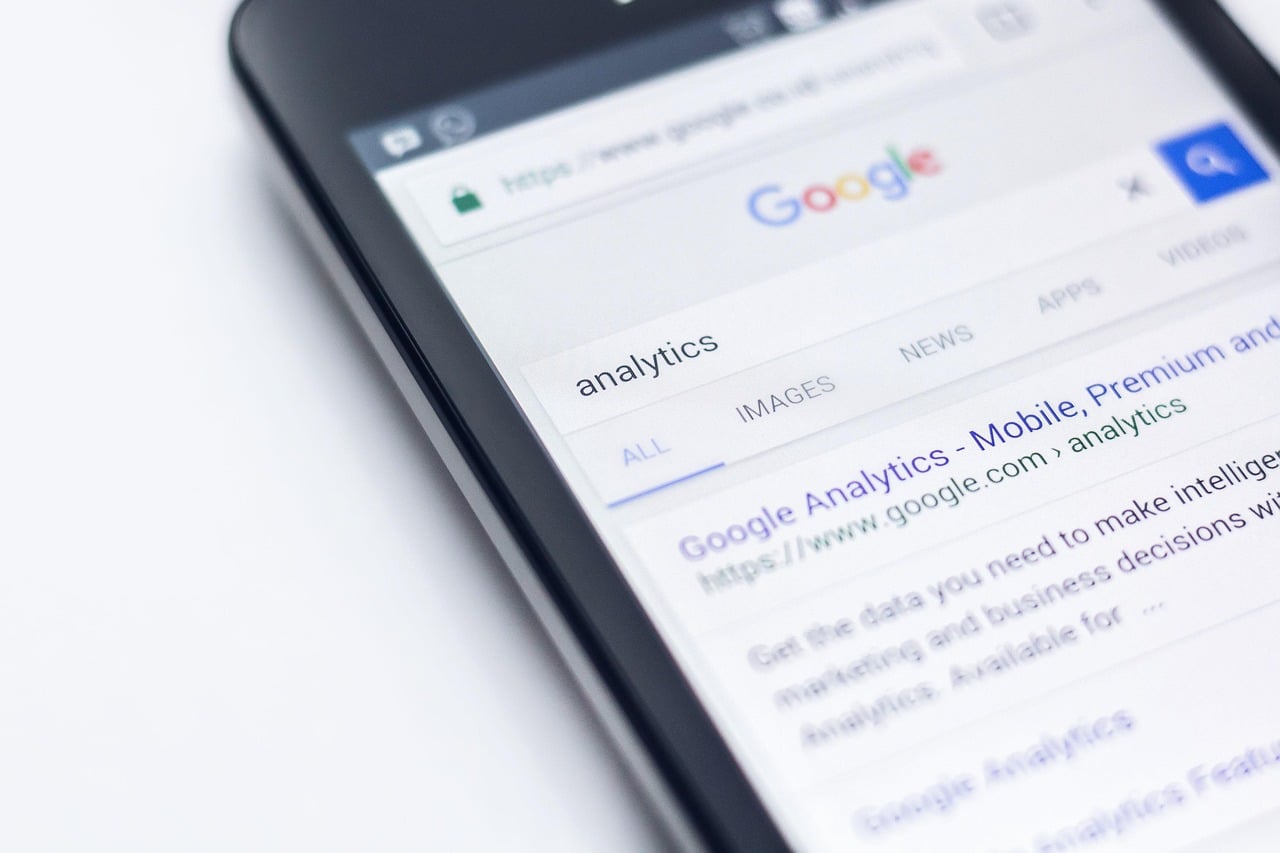
Key Takeaways
- Autocomplete suggestions appear as users type, with a significant percentage of searchers clicking on these predicted queries instead of completing their original search
- Search Box Optimization (SBO) delivers substantially lower customer acquisition costs compared to traditional paid advertising methods
- Brands appearing in autocomplete suggestions gain perceived authority and trust, as users view these placements as search engine recommendations
- Strategic autocomplete positioning requires 6-12 months to fully develop but creates sustainable competitive advantages
- Platform-specific targeting across Google, YouTube, and Bing maximizes brand visibility throughout the customer journey
Search engines have fundamentally changed how customers find brands. While businesses invest heavily in traditional SEO and pay-per-click advertising, a powerful marketing opportunity exists in the search box itself—before users even complete their queries.
How Search Box Suggestions Influence User Behavior
Autocomplete suggestions are the predictive text features that appear as users type in search engines. These suggestions aim to reduce typing effort by up to 25%, saving users significant time while guiding their search behavior. Google originally reported in 2008 that this feature collectively saves over 200 years of typing per day across all users worldwide.
The psychological impact extends far beyond convenience. When brands appear in autocomplete suggestions, users perceive them as having higher authority and credibility. This phenomenon occurs because search engine suggestions feel like neutral recommendations rather than paid advertisements. Research indicates that a substantial portion of users click on autocomplete suggestions instead of completing their original queries, demonstrating the massive influence these suggestions wield over search behavior.
Several factors determine which suggestions appear, including search popularity, geographic location, user search history, and trending topics. Understanding these algorithmic influences helps brands optimize their presence in this valuable digital real estate. Smart marketers recognize that controlling autocomplete suggestions means intercepting customers at the earliest stage of their search journey, before competitors even appear on search results pages.
Search Box Optimization vs Traditional Marketing
1. Cost Efficiency and ROI Comparison
Traditional SEO and PPC campaigns require substantial ongoing investments with unpredictable results. SEO efforts can take several months to achieve meaningful rankings, with timeframes varying significantly based on competition and keyword difficulty, while PPC costs continue escalating as competition intensifies. In contrast, Search Box Optimization delivers significantly lower customer acquisition costs compared to traditional paid search advertisements.
The financial advantage stems from reduced competition within autocomplete suggestions. While hundreds of businesses might compete for the same keyword in paid search results, autocomplete positioning offers more exclusive visibility. This exclusivity translates directly into higher click-through rates and improved conversion potential, as users clicking autocomplete suggestions demonstrate high purchase intent.
2. Long-term Results vs Short-term Gains
PPC campaigns stop generating traffic the moment advertising spend ceases, while traditional SEO rankings fluctuate based on algorithm changes and competitor activities. Search Box Optimization creates more sustainable results by establishing brand authority within search engine prediction algorithms. Once positioned effectively, brands maintain autocomplete visibility with consistent monthly investments rather than escalating costs.
E-commerce businesses particularly benefit from this stability. Various companies have reported significant sales increases and higher average order values after implementing strategic autocomplete optimization. Their improved product discoverability translated into measurable revenue growth that persisted month over month.
3. Competitive Advantage
Traditional marketing approaches allow competitors to appear alongside brands on search results pages, dividing customer attention and reducing conversion probability. Autocomplete optimization creates defensive marketing positions by capturing user attention before competitive comparison occurs. Users who select autocomplete suggestions bypass traditional search results entirely, eliminating competitor visibility during the critical decision-making phase.
This preemptive positioning proves especially valuable for businesses in highly competitive markets. Rather than fighting for search result rankings against dozens of competitors, brands can secure exclusive autocomplete positioning that directs traffic before users evaluate alternatives.
Autocomplete Marketing Implementation Strategy
Platform-Specific Targeting
Effective autocomplete optimization requires understanding platform-specific behaviors across Google, YouTube, and Bing. Google autocomplete focuses on informational and transactional queries, making it ideal for businesses targeting customers in research phases. YouTube suggestions emphasize video content consumption, perfect for brands using educational or entertainment marketing approaches. Bing autocomplete often captures different demographic segments, providing additional market penetration opportunities.
Each platform uses distinct algorithms for generating suggestions, requiring tailored optimization strategies. Google prioritizes search volume and trending topics, while YouTube emphasizes engagement metrics and content popularity. Bing incorporates social signals and user demographics more heavily into suggestion algorithms. Understanding these differences enables brands to customize approaches for maximum platform-specific impact.
Keyword Selection and Exclusivity
Strategic keyword selection focuses on high-intent, long-tail phrases that align with customer search behavior. Rather than competing for broad, expensive keywords in traditional marketing, autocomplete optimization targets specific phrase combinations that trigger suggestion algorithms. This approach captures users with precise intent while avoiding saturated keyword markets.
Exclusivity becomes a crucial factor in keyword strategy. Unlike traditional SEO where multiple businesses can rank for identical keywords, effective autocomplete positioning often provides singular brand visibility for specific query combinations. This exclusivity ensures that customer acquisition investments generate measurable returns without direct competitor interference.
Timeline and Operational Phases
Autocomplete optimization typically requires several months to become fully operational, followed by continuous refinement over an extended period. Initial phases focus on establishing baseline suggestion presence, while later phases optimize for higher-value keyword combinations and expanded market coverage. This timeline often compares favorably with traditional SEO campaigns that may require extended periods just to achieve meaningful rankings.
Implementation involves coordinated content creation, social media engagement, and strategic link building—all focused on triggering autocomplete algorithms rather than traditional search rankings. The concentrated approach often yields faster results than broad-based SEO strategies that attempt to improve general website authority.
Building Long-lasting Marketing Results
6-12 Month Development Cycle
Sustainable autocomplete positioning develops through systematic algorithm influence over extended periods. The 6-12 month development cycle allows brands to establish consistent suggestion patterns while building underlying content infrastructure that supports long-term visibility. This investment timeline creates competitive barriers that prevent rapid competitor replication.
During this development phase, businesses often experience incremental improvements in suggestion frequency and keyword coverage. Early months focus on establishing initial visibility, while later phases expand into related keyword families and industry-specific terminology. The gradual build-up creates more stable positioning compared to quick-fix marketing tactics.
Sustainable Brand Authority Growth
Autocomplete optimization contributes to broader brand authority development by positioning companies as industry leaders within search algorithms. When brands consistently appear in suggestion lists, users begin associating them with expertise and market leadership. This psychological positioning extends beyond immediate click-through benefits to long-term brand recognition and customer loyalty.
The authority-building effect compounds over time as suggestion visibility reinforces brand credibility. Users who repeatedly encounter brands in autocomplete suggestions develop subconscious familiarity that influences future purchasing decisions, even when they don't immediately click through to brand websites.
Managing Brand Perception in Autocomplete
Reputation Protection
Autocomplete suggestions can significantly impact brand perception, making proactive reputation management necessary. Negative phrases appearing alongside brand names in suggestions can damage public perception, while positive associations improve credibility. Strategic optimization helps brands influence which phrases appear in conjunction with their company names.
Reputation protection involves monitoring suggestion patterns and implementing corrective strategies when negative associations develop. This proactive approach prevents reputation damage before it affects customer acquisition, making it a crucial component of digital marketing strategies.
Authority Building Through Visibility
Consistent autocomplete visibility positions brands as industry authorities in customer minds. When users repeatedly see company names in search suggestions, they develop subconscious associations between those brands and expertise. This psychological positioning proves especially valuable for professional services and B2B companies that rely on perceived competence for customer acquisition.
Authority building through autocomplete optimization creates lasting competitive advantages that extend beyond immediate marketing metrics. Brands that establish suggestion dominance often maintain market leadership positions even as competitors increase traditional advertising spending.
Autocomplete Optimization Delivers Superior Long-term ROI
The combination of lower acquisition costs, higher conversion rates, and sustained visibility makes autocomplete optimization a superior long-term marketing investment. While traditional marketing approaches require continuously escalating spending to maintain results, Search Box Optimization creates compounding returns through established algorithm positioning and brand authority development.
Businesses implementing autocomplete strategies typically achieve higher customer lifetime values due to improved brand perception and reduced competition during the acquisition process. The exclusive nature of autocomplete positioning, combined with its influence on early-stage customer decision-making, creates marketing advantages that traditional approaches cannot replicate.
RReputatioNN ( TrueLayers.app )
City: Rijkevorsel
Address: 109 Sint-Lenaartsesteenweg #1
Website: https://omnichannel360.ai


Comments
Post a Comment